

The Khulafa al-Rashidun: Leadership Lessons from the Rightly Guided Caliphs
The Khulafa al-Rashidun, or the Rightly Guided Caliphs, were the immediate successors of Prophet Muhammad ﷺ. Their rule, spanning approximately 30 years after the Prophet’s death, is often referred to as the Golden Era of Islamic leadership. These four caliphs—Abu Bakr, Umar, Uthman, and Ali (may Allah be pleased with them)—demonstrated exceptional governance based on Islamic principles of justice, humility, and service to the people.
Their lives continue to offer timeless leadership lessons for individuals, communities, and nations alike. In this article, we explore key leadership traits from each of the four caliphs and how they embody the values of Islamic leadership.
Abu Bakr As-Siddiq (r.a): Leadership with Loyalty and Courage
Key Qualities:
• Unshakable faith
• Loyalty to the Prophet ﷺ
• Decisive action during crisis
As the first caliph, Abu Bakr (r.a) led during one of the most vulnerable times in Islamic history. After the Prophet’s death, confusion and fear spread among Muslims. Abu Bakr’s firm and calming presence reassured the community.
One of his most famous moments was when he said:
“Whoever worshipped Muhammad, let him know that Muhammad has died. But whoever worships Allah, then Allah is Ever-Living and never dies.”
He also bravely led the Wars of Ridda (apostasy wars) to unify the Arabian Peninsula under Islam again.
Leadership Lesson:
True leadership requires firmness in faith, courage in tough times, and the ability to remain principled under pressure.
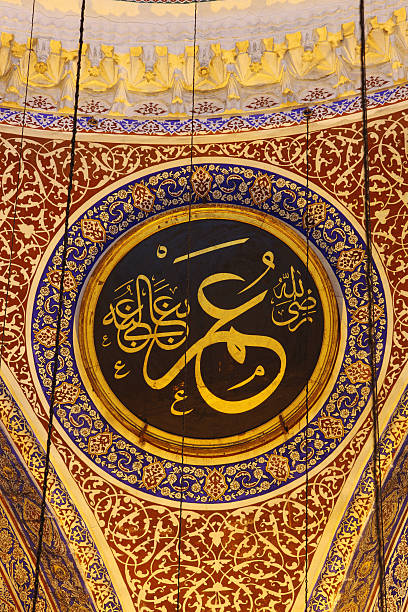
Umar ibn al-Khattab (r.a): Justice and Accountability
Key Qualities:
• Strategic vision
• Institution building
• Fear of accountability before Allah
Umar (r.a) was known for his strong sense of justice and administrative excellence. Under his leadership, the Islamic empire expanded rapidly, yet he remained humble and accountable.
He introduced:
• A formal Islamic calendar
• The welfare system (Bayt al-Mal)
• Fair treatment of non-Muslims
• Systems of governance that prioritized people’s needs
Despite being a powerful ruler, he was known to say:
“If a mule stumbled in Iraq, I would fear that Allah would ask me why I did not level the road for it.”
Leadership Lesson:
Great leaders are those who combine strength with humility and put the welfare of the people above personal gain.
Uthman ibn Affan (r.a): Generosity and Organizational Vision
Key Qualities:
• Wealth used in service of Islam
• Gentle character
• Preservation of the Quran
Uthman (r.a) was known for his generosity and calm demeanor. One of his most significant contributions was the standardization of the Quran into a single official version, which helped preserve it for future generations.
He financed:
• The expansion of Masjid al-Nabawi
• Public infrastructure and wells for the community
• Entire military expeditions from his personal wealth
Despite facing rebellion and unrest later in his rule, Uthman chose not to retaliate with violence, remaining committed to peace.
Leadership Lesson:
True leadership involves sacrifice, strategic foresight, and staying committed to principles—even in times of personal risk.
Ali ibn Abi Talib (r.a): Wisdom and Moral Integrity
Key Qualities:
• Deep knowledge of Islam
• Fearless on the battlefield
• Commitment to justice during conflict
Ali (r.a), the cousin and son-in-law of the Prophet ﷺ, was known for his intellect, bravery, and spiritual depth. His leadership came at a time of internal strife and civil war within the Muslim community.
Despite the challenges, he upheld justice and refused to compromise on truth. His sermons and letters—preserved in works like Nahj al-Balagha—continue to inspire scholars and leaders.
“A society can endure disbelief, but it cannot endure injustice.”
Leadership Lesson:
Leadership requires moral clarity, especially in complex times. Ali (r.a) teaches us to lead with wisdom, fairness, and courage.
Conclusion: The Legacy of the Rightly Guided Caliphs
The era of the Khulafa al-Rashidun stands as a beacon of ethical leadership. These four caliphs ruled not for power or wealth but for the sake of serving Allah and uplifting the community. Their decisions were guided by Quranic values, prophetic example, and a deep sense of accountability to God.
In today’s world—often marked by political corruption and self-interest—the leadership of Abu Bakr, Umar, Uthman, and Ali serves as a powerful reminder of what it means to lead with integrity, justice, and compassion.
“Indeed, those who rule justly will be seated on pulpits of light beside Allah…”
(Hadith – Sahih Muslim)
Leave A Comment