

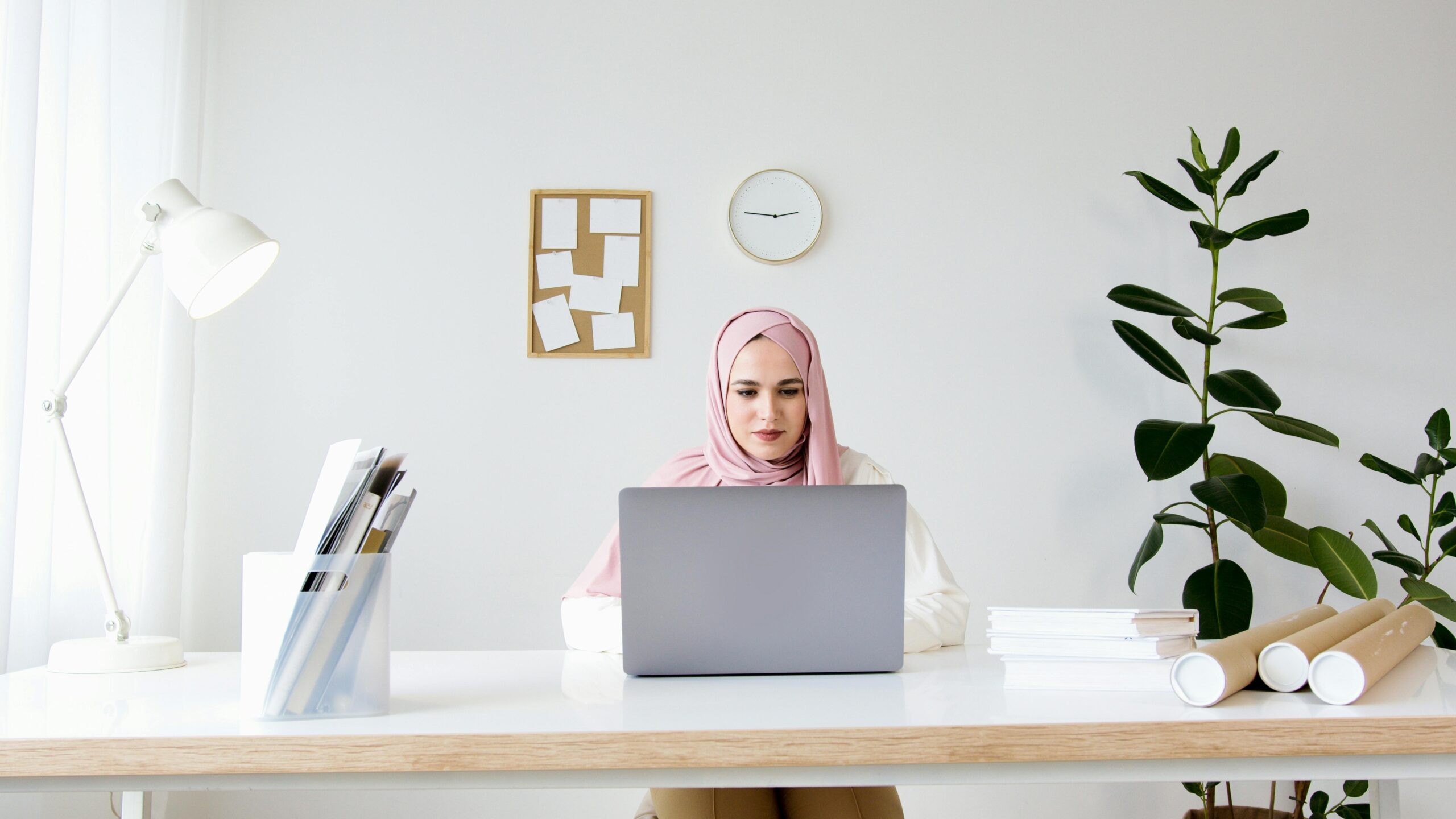
We live in a world that constantly tells us we need more—more clothes, more gadgets, more followers, more experiences. But Islam teaches a different path. True contentment, true peace, comes not from accumulating, but from appreciating, prioritizing, and living with intention. Minimalism in Islam is not just a lifestyle trend—it is a way to align our hearts, our possessions, and our time with what truly matters.
The first principle of Islamic minimalism is recognizing the temporary nature of worldly possessions.
The Prophet Muhammad (peace be upon him) said, “Richness is not having many possessions, but richness is being content with oneself.” In other words, wealth is measured by contentment, not by accumulation. Everything in this world—our clothes, houses, money, and gadgets—is temporary. We are simply its caretakers. When we hold onto things tightly, we risk distraction from Allah and from our ultimate purpose. By owning less, we free ourselves from attachment to things that do not benefit us in the long term.
The second principle is intentional consumption.
Minimalism in Islam is not about deprivation—it’s about conscious choice. Before buying something, ask: “Do I need this? Will this benefit me, my family, or others? Or am I buying to impress, compete, or fill a void?” The Sunnah encourages moderation. The Prophet (peace be upon him) lived simply, yet he was generous, grateful, and mindful. Our possessions should serve a purpose, not clutter our lives or distract our hearts. Intentionality ensures every item we own adds value and barakah to our life.
The third principle is focus on quality over quantity.
Instead of chasing the latest trends or accumulating endless items, Islam encourages investing in what is durable, beneficial, and meaningful. This applies not only to possessions but also to relationships, knowledge, and actions. One strong habit, one beneficial skill, one meaningful friendship—these bring far more reward than a hundred superficial ones. Living with quality creates stability, peace, and long-term barakah in our daily lives.
Another important principle is generosity and detachment.
Islam teaches that giving is better than hoarding. The Prophet (peace be upon him) said, “The upper hand is better than the lower hand,” meaning it is better to give than to receive. When we own less, we naturally find it easier to give more. Minimalism doesn’t just benefit the individual—it benefits the community. Sharing, donating, and helping others brings blessings to our wealth, our hearts, and our time. Owning less is a path to greater impact.
Finally, Islamic minimalism encourages simplicity in all aspects of life.
It is reflected in how we manage our homes, our schedules, and even our thoughts. Simplicity creates space for reflection, worship, and meaningful action. It reduces stress, distractions, and unnecessary comparison. When life is simple, the heart is lighter, gratitude is easier, and barakah flows more naturally. Minimalism is not about restriction—it is about freedom: freedom to focus on what truly matters.
In conclusion, minimalism in Islam is a spiritual practice as much as a lifestyle. Owning less doesn’t mean losing joy—it means creating room for barakah. It means being intentional, content, generous, and focused on what is eternal rather than temporary. It means living a life where possessions serve us, not enslave us.
By embracing this principle, we align our material world with our spiritual goals, and we live not just efficiently, but meaningfully. In a culture of excess, minimalism becomes a form of worship—a way to purify our hearts, bless our wealth, and find peace in simplicity.
Owning less is not losing—it is gaining. Gaining time, gaining focus, gaining barakah, and ultimately gaining closeness to Allah.
Leave A Comment