

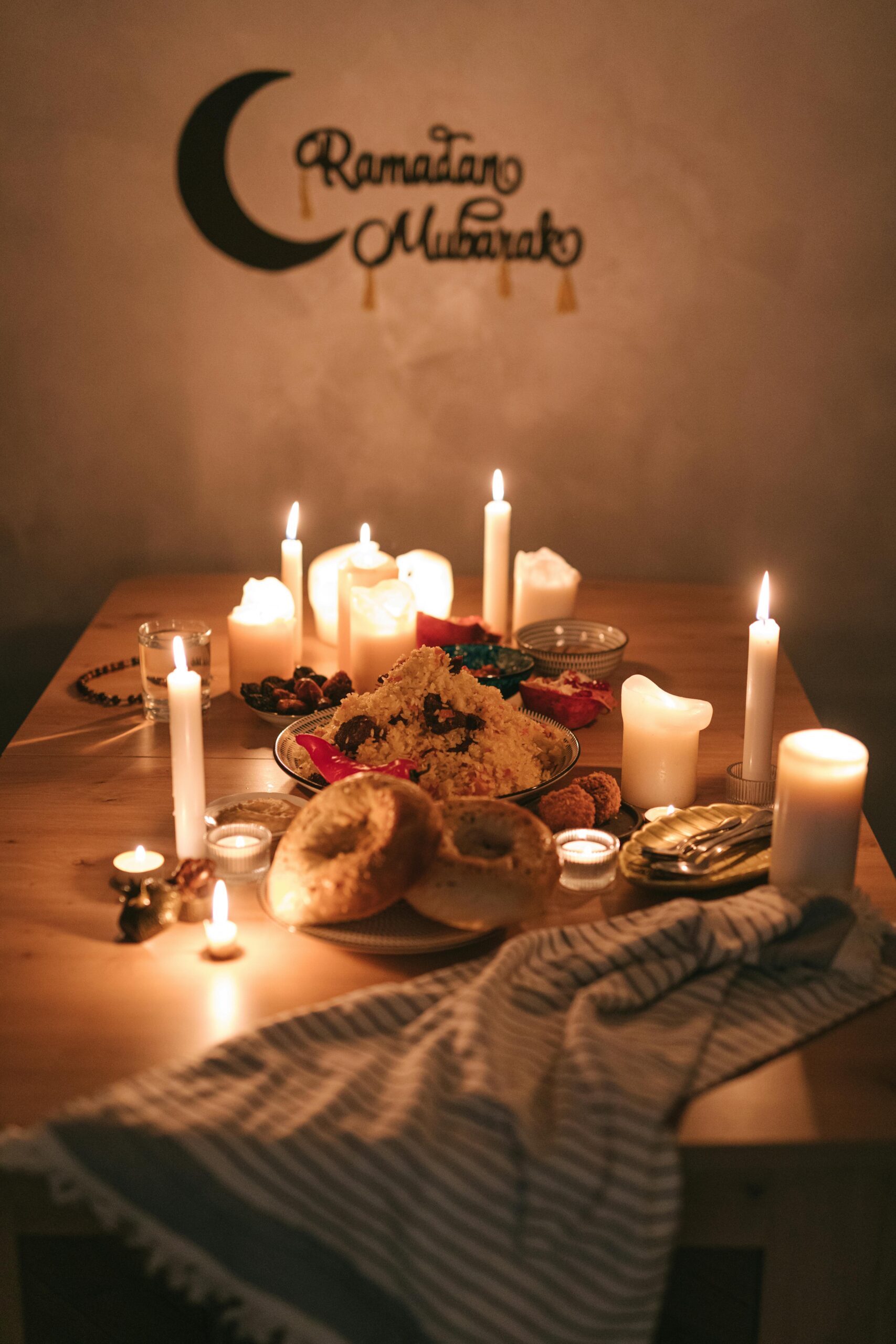
The last ten nights of Ramadan hold a unique and unparalleled spiritual significance in Islam. Among these nights is Laylat al-Qadr, the Night of Decree, which the Qur’an describes as “better than a thousand months” (Qur’an 97:3). For many Muslims, these nights represent a final opportunity to intensify worship, seek forgiveness, and strive for closeness to Allah. Making the most of this sacred period requires intention, discipline, and focus, ensuring that both the heart and soul benefit from these blessed nights.
Understanding the Significance
The last ten nights are considered the peak of Ramadan because they embody mercy, forgiveness, and spiritual transformation. While the entire month encourages reflection and self-restraint, these nights offer an extraordinary chance for believers to have their past sins forgiven and their prayers answered. The Prophet Muhammad (peace be upon him) dedicated these nights to increased worship, particularly i’tikaf, staying in the mosque in devotion, prayer, and remembrance of Allah. This period emphasizes that spiritual reward is proportional to effort, sincerity, and focus.
Intensifying Worship
One of the most important ways to make the last ten nights count is to increase acts of worship. Night prayers (Qiyam al-Layl) are particularly emphasized, and Muslims are encouraged to spend these hours in tahajjud (voluntary night prayer), reciting the Qur’an, and making heartfelt supplications. Sincere dua—prayers for oneself, family, and the community—is especially powerful during this time, as it is believed that Allah’s mercy and blessings are abundant. Even small acts, such as reciting short chapters of the Qur’an or performing extra units of prayer, are greatly rewarded when done with devotion.
Seeking Forgiveness and Reflection
The last ten nights are ideal for self-reflection and seeking forgiveness. Reviewing one’s behavior, acknowledging mistakes, and making a sincere commitment to improve aligns the heart with the purpose of Ramadan. Repentance during these nights is highly encouraged, as it can cleanse the soul and pave the way for lasting change. Muslims are reminded that no matter the magnitude of past mistakes, sincere repentance and devotion can bring Allah’s mercy and renewal.
Engaging in Charity and Kindness
Charity and acts of kindness carry special weight during the last ten nights. Supporting the needy, helping neighbors, and performing quiet, thoughtful acts of service all contribute to a spirit of generosity and compassion. These actions reflect the broader values of Ramadan, which are not limited to personal piety but extend to building a more caring and just community.
Practicing I’tikaf and Detachment
Many Muslims choose to observe i’tikaf during the last ten nights, dedicating themselves to seclusion in the mosque to focus entirely on worship. This practice allows believers to detach from worldly distractions and immerse themselves in prayer, Qur’an recitation, and contemplation. Even those unable to perform full i’tikaf can emulate its spirit by limiting unnecessary social and digital engagements and dedicating more time to spiritual growth.
Consistency Over Quantity
While the rewards of the last ten nights are immense, it is essential to remember that sincerity matters more than quantity. Devotion, mindfulness, and a genuine desire to seek Allah’s pleasure outweigh the number of prayers or hours spent in worship. Even brief but sincere acts of remembrance, gratitude, or charity can carry enormous spiritual reward.
Conclusion
The last ten nights of Ramadan are a spiritual crescendo, offering an unmatched opportunity for transformation, forgiveness, and closeness to Allah. By increasing prayer, recitation, reflection, and acts of kindness, Muslims can make these nights count in a meaningful way. With focused intention and sincere effort, the last ten nights can leave a lasting impact on one’s heart, character, and faith—ensuring that the blessings of Ramadan extend far beyond the month itself.
Leave A Comment