

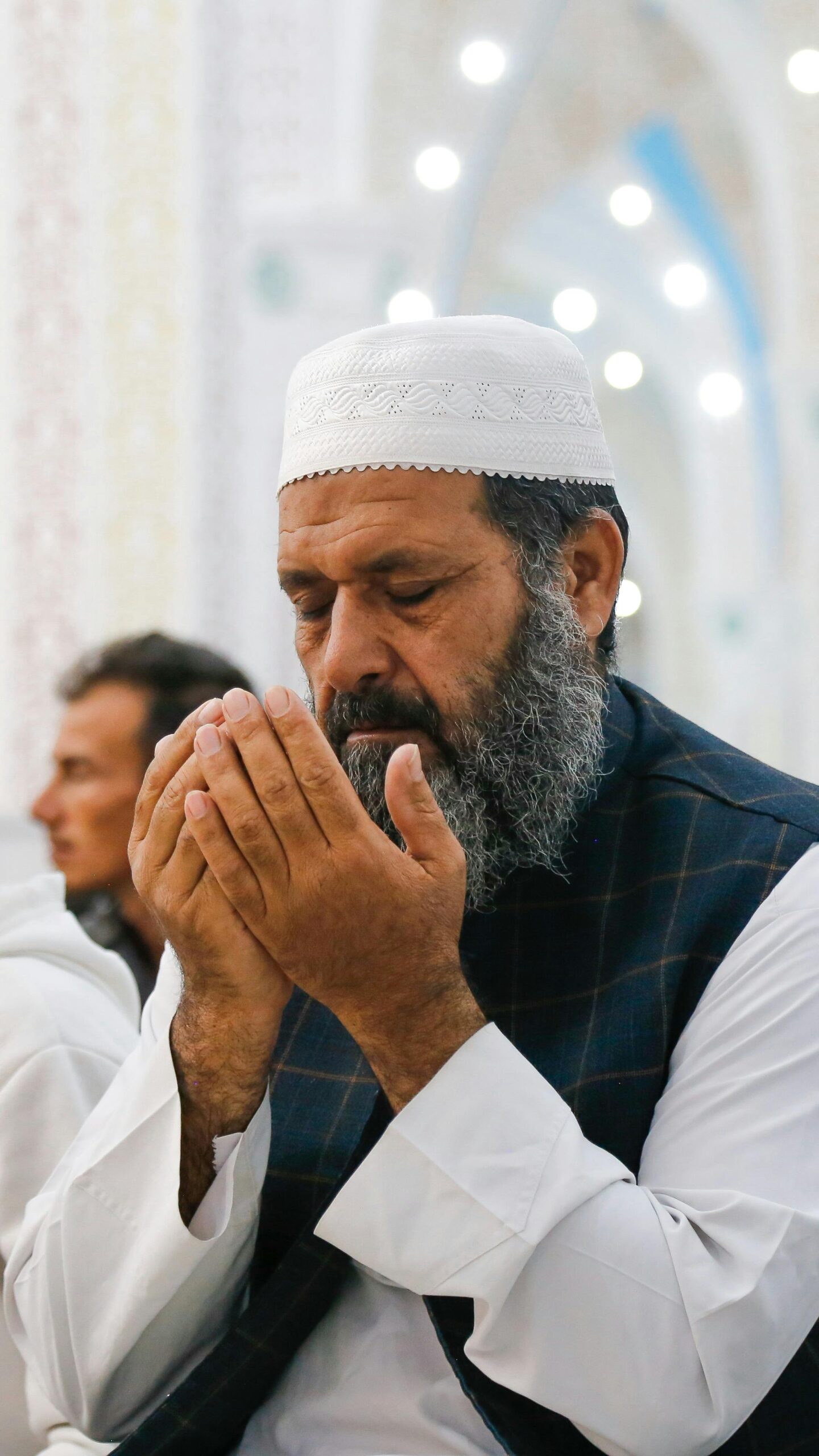
When we hear the word Eid, our minds often jump to the cheerful scenes—new clothes, family gatherings, delicious meals, and the excitement that fills the air. But behind all the festivity lies a deeper meaning, one that sometimes gets overshadowed by the celebrations. Eid, whether it’s Eid al-Fitr or Eid al-Adha, is ultimately a reminder of gratitude—gratitude to God, gratitude for our blessings, and gratitude for the people around us.
Eid al-Fitr arrives after a month of fasting, reflection, and spiritual discipline. During Ramadan, we willingly give up food and drink from dawn to sunset. But the purpose isn’t hunger; it’s humility. It’s a month that teaches us what it means to slow down, appreciate our blessings, and recognize the struggles of those who have less. So when Eid morning comes, it isn’t just a day of celebration—it is the moment when the heart feels full, not because of what we receive, but because of what we’ve experienced.
The first act of Eid al-Fitr is the giving of Zakat al-Fitr, a charity meant specifically for those in need. This is a powerful reminder that Eid starts with giving, not receiving. Before the meals, the gatherings, or the joy, Islam teaches us to ensure that the poorest in our communities can also celebrate. This charity is not just an act of kindness; it is an expression of gratitude—an acknowledgment that our blessings are meant to be shared.
Eid al-Adha carries a similar spirit. It commemorates the story of Prophet Ibrahim, who showed ultimate devotion and trust in God. The sacrifice performed during this Eid is not merely about distributing meat. It symbolizes obedience, humility, and the willingness to let go of what we love for the sake of a higher purpose. Once again, the act begins with sharing—one portion for family, one for relatives, and one for the needy. The celebration becomes meaningful because it lifts the hearts of others.
But gratitude on Eid goes beyond religious rituals. It extends into our relationships and our daily lives. Eid is the day when families mend old disagreements, when friends reconnect, and when communities come together. It teaches us that gratitude isn’t only spoken; it is shown in the way we treat each other. A simple visit, a phone call, a warm embrace—these gestures remind us that we are not alone, that we belong to a community rooted in compassion.
In today’s world, where celebrations often become materialistic, it’s easy to forget the essence of Eid. Social media can make us feel pressured to show perfect outfits, elaborate meals, or extravagant decorations. But Eid’s beauty is not measured by how grand the celebration looks; it’s measured by the sincerity of the heart. A simple meal shared with love holds more value than a banquet served with pride.
Eid teaches us to pause and reflect. How often do we appreciate the roof over our heads? How often do we acknowledge the comfort of a warm meal or the blessing of good health? Gratitude turns ordinary moments into extraordinary ones. And that is what Eid is truly about—finding joy not just in abundance but in appreciation.
As the day unfolds—through prayers, greetings, and shared laughter—the spirit of Eid encourages us to carry its lessons forward. Gratitude should not end when the celebration does. It should shape our daily interactions, our choices, and our outlook on life.
So while Eid is a day of festivity, it is, above all, a celebration of gratitude. It reminds us that the greatest happiness comes not from what we have, but from how we appreciate, share, and cherish it.
Leave A Comment