

Hajj is not simply a journey measured by miles traveled or days spent in sacred places. It is a journey of the heart, the soul, and the self. Long before the feet touch the soil of Makkah, the journey begins within—through intention, humility, and a longing to draw closer to Allah.
When I first entered the state of Ihram, I felt a quiet shift inside me. The simple white garments removed every label I carried—status, wealth, profession, and identity. Standing among millions dressed the same, I realized how little separates us in the eyes of Allah. In that moment, I was not defined by who I am in this world, but by who I am before my Creator. It was both humbling and freeing.
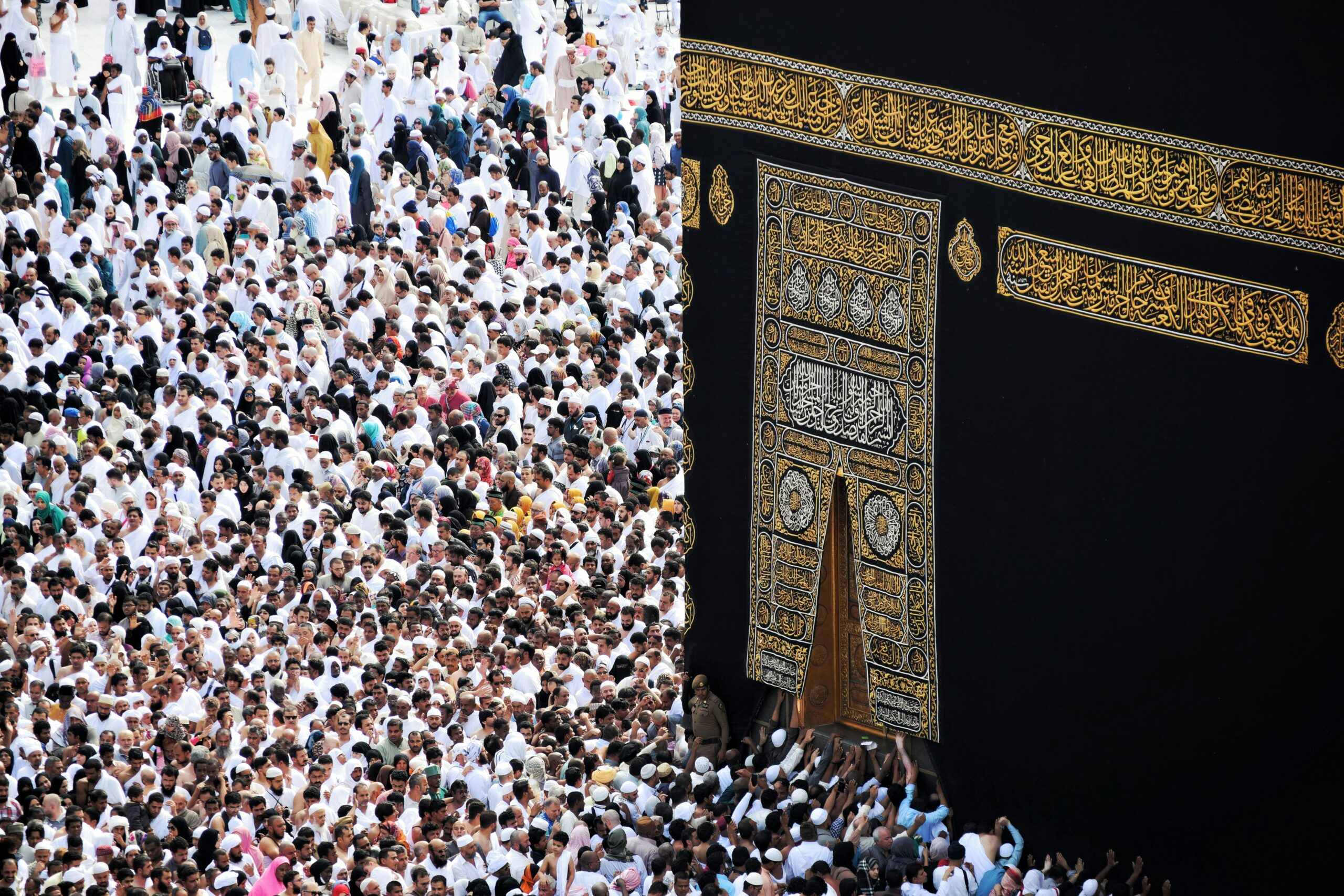
The sight of the Kaaba is something words struggle to capture. As my eyes met it for the first time, my heart felt overwhelmed with emotion—gratitude, awe, and an unexplainable sense of belonging. It was not just a structure of stone and cloth; it was a symbol of unity, devotion, and centuries of prayers whispered through tears. As I circumambulated the Kaaba during Tawaf, each step felt like a release—of worries, regrets, and burdens I had carried for years.
Sa’i between Safa and Marwah reminded me of the power of trust in Allah. As I retraced the steps of Hajar (peace be upon her), I reflected on her strength, patience, and unwavering faith. Her story is a reminder that even in moments of desperation, Allah’s mercy is near. Every step between those two hills echoed a lesson: effort matters, but reliance on Allah matters even more.
The day of Arafah was the most profound experience of my life. Standing under the open sky, surrounded by countless pilgrims raising their hands in supplication, I felt closer to Allah than ever before. There were no distractions—only prayers, tears, and sincere repentance. It felt like standing on the edge of the Hereafter, pleading for forgiveness and mercy. In that space, time seemed to pause, and the world felt small compared to the vastness of Allah’s compassion.
Muzdalifah taught me simplicity and patience. Sleeping under the stars, collecting pebbles, and sharing limited space with strangers reminded me how little we truly need. Comfort became secondary; gratitude became essential. Each pebble I picked up carried intention—not anger, but determination to reject the whispers of ego, pride, and temptation.
Stoning the Jamarat was not an act of violence, but a declaration. With every throw, I symbolically rejected the forces that pull me away from righteousness. It was a promise to strive against my weaknesses and return home as a better version of myself.
As Hajj came to an end, I realized that the true challenge begins after leaving the holy lands. Hajj is not meant to be a memory locked in the past, but a transformation carried into daily life. It teaches patience, humility, discipline, and compassion—values meant to guide us long after the journey ends.
Hajj is truly the journey of a lifetime—not because of where it takes you physically, but because of where it leads you spiritually. It leaves an imprint on the heart, a reminder that no matter how far we wander, the door to Allah is always open.
Leave A Comment