

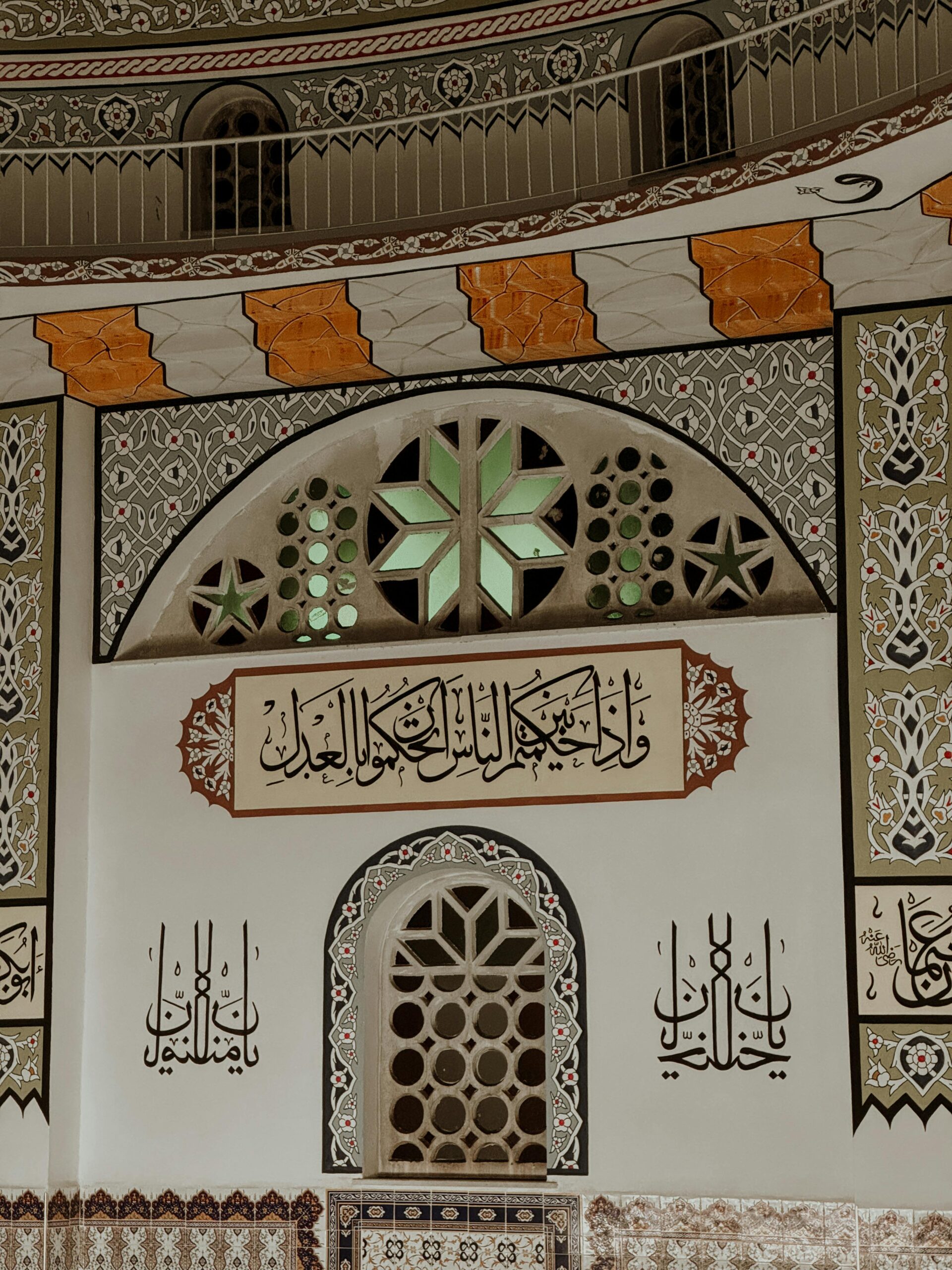
Tawakkul (trust in God) and sabr (patience) are two of the most profound and essential concepts in Islamic teachings. Together, they shape a believer’s character, guiding how a person responds to both ease and hardship in life. These qualities are not merely abstract ideas but practical principles that influence everyday decisions, emotions, and actions.
Tawakkul means placing complete trust in Allah while making sincere efforts to achieve one’s goals. It is a state of the heart where a person firmly believes that Allah is the ultimate planner and that whatever happens is by His wisdom. However, tawakkul does not mean abandoning effort or becoming passive. Islam emphasizes balance: a person must strive, plan, and work hard, but ultimately leave the results in Allah’s hands. For example, a student studies diligently for an exam, prepares thoroughly, and then trusts Allah for the outcome. This combination of effort and faith is the true essence of tawakkul.
Sabr, on the other hand, refers to patience, perseverance, and self-control in difficult situations. It is not simply enduring hardship silently, but facing challenges with strength, dignity, and hope. Sabr can be understood in three dimensions: patience in obeying Allah, patience in avoiding wrongdoing, and patience during trials and hardships. Each form requires discipline and inner strength, and together they help a person maintain balance in life.
The relationship between tawakkul and sabr is deeply interconnected. When a person has true trust in Allah, it becomes easier to remain patient during hardships because they believe there is wisdom behind every difficulty. This belief removes despair and replaces it with hope. Similarly, practicing sabr strengthens tawakkul, as a person begins to witness how challenges eventually lead to growth, relief, or unexpected blessings. In this way, both qualities reinforce each other.
In today’s fast-paced world, people often struggle with stress, anxiety, and disappointment. Many expect immediate results and become frustrated when things do not go as planned. This is where tawakkul and sabr offer a powerful solution. Tawakkul teaches individuals to let go of excessive worry about outcomes, while sabr helps them endure delays and setbacks without losing motivation. Together, they create emotional stability and resilience.
Islamic teachings frequently highlight the importance of these qualities. Believers are reminded that Allah is with those who are patient and that those who rely on Him will never be left without support. This assurance gives strength to individuals facing personal, financial, or emotional difficulties. It encourages them to keep moving forward with hope and faith rather than giving in to despair.
In conclusion, tawakkul and sabr are not just spiritual ideals but practical tools for living a balanced and meaningful life. By combining sincere effort with trust in Allah, and by responding to challenges with patience and strength, a person can navigate life’s uncertainties with confidence. These qualities bring inner peace, strengthen faith, and ultimately lead to success in both this world and the hereafter
Leave A Comment