

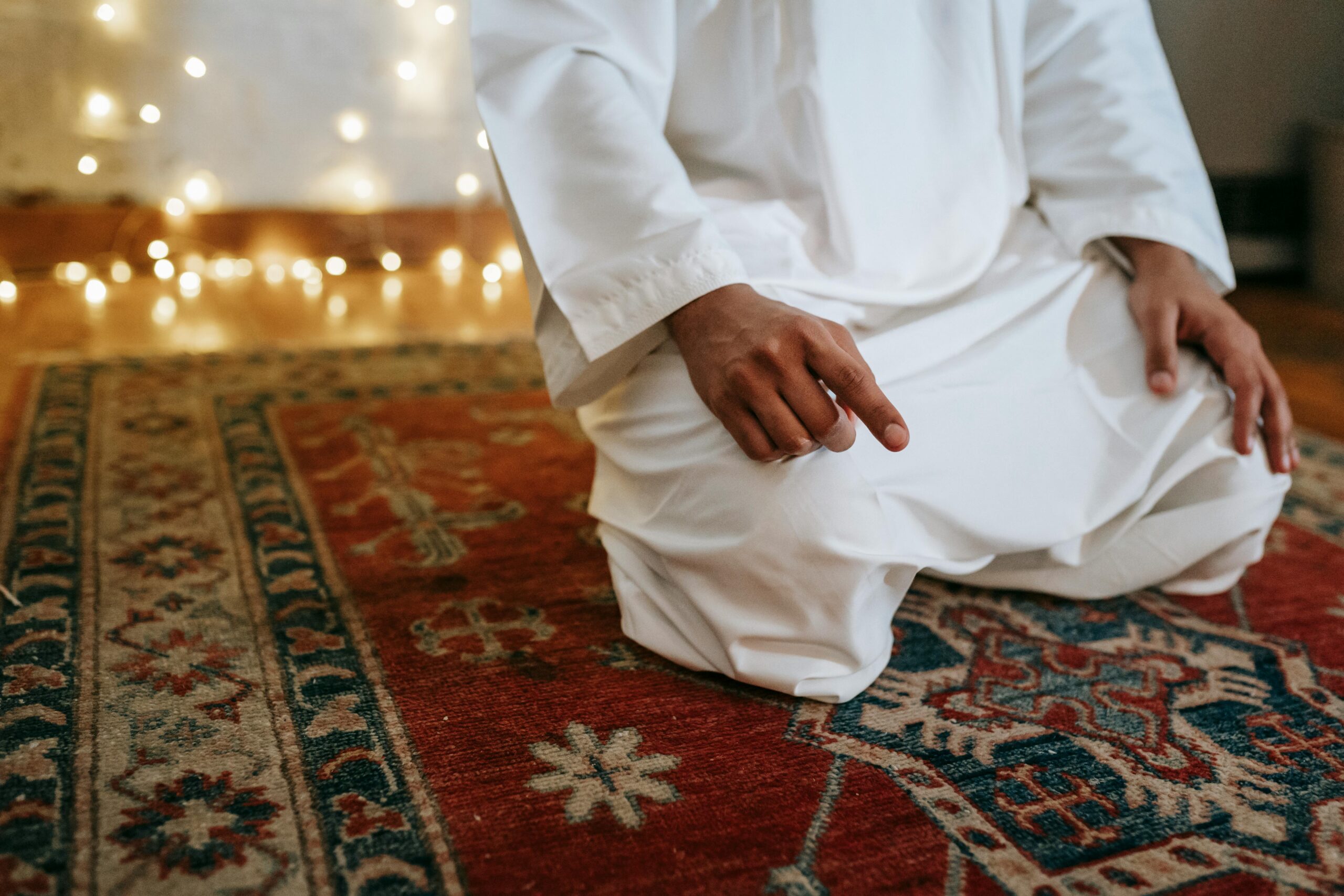
Salah, or prayer, is one of the most essential acts of worship in Islam and holds a central place in the life of every مسلمان (Muslim). It is not only a religious obligation but also a powerful means of building a direct and personal connection with Allah. Performed five times a day, salah serves as a constant reminder of faith, discipline, and purpose.
First and foremost, salah is a command from Allah and one of the Five Pillars of Islam. It is an act that distinguishes a believer and reflects their ایمان (faith). Through salah, a person expresses obedience, humility, and gratitude to their Creator. It is a moment when a believer stands before Allah, seeking guidance, forgiveness, and mercy. This direct communication strengthens one’s spiritual bond and keeps the heart connected to faith throughout the day.
Another important aspect of salah is that it brings structure and discipline into a person’s life. The five daily prayers are spread across different times of the day—Fajr, Dhuhr, Asr, Maghrib, and Isha—encouraging a مسلمان to organize their routine around worship. This regularity helps develop time management, consistency, and a sense of responsibility. It also ensures that no matter how busy life becomes, a person takes a pause to remember Allah.
Salah also plays a vital role in purifying the soul and preventing immoral behavior. When a person regularly engages in prayer with sincerity, it instills a sense of accountability and awareness that Allah is always watching. This consciousness helps in avoiding sinful actions and encourages good character. In this way, salah is not just a ritual but a source of اخلاقی (moral) development.
Furthermore, salah provides inner peace and emotional stability. In times of stress, anxiety, or sadness, turning to prayer brings comfort and reassurance. The act of bowing and prostrating before Allah allows a person to release their worries and place their trust in Him. It creates a sense of calmness and reminds the believer that they are never alone in their struggles.
On a social level, salah also promotes unity and equality among Muslims. When people gather in congregation, especially in mosques, they stand shoulder to shoulder regardless of their status, wealth, or background. This fosters a strong sense of brotherhood and community, reminding everyone of their shared purpose and equality before Allah.
In conclusion, salah is far more than a daily obligation; it is a comprehensive system that nurtures faith, discipline, morality, and inner peace. It connects a person to their Creator, guides them in their actions, and strengthens both individual character and community bonds. A life centered around salah is a life filled with purpose, balance, and spiritual fulfillment.
Leave A Comment