

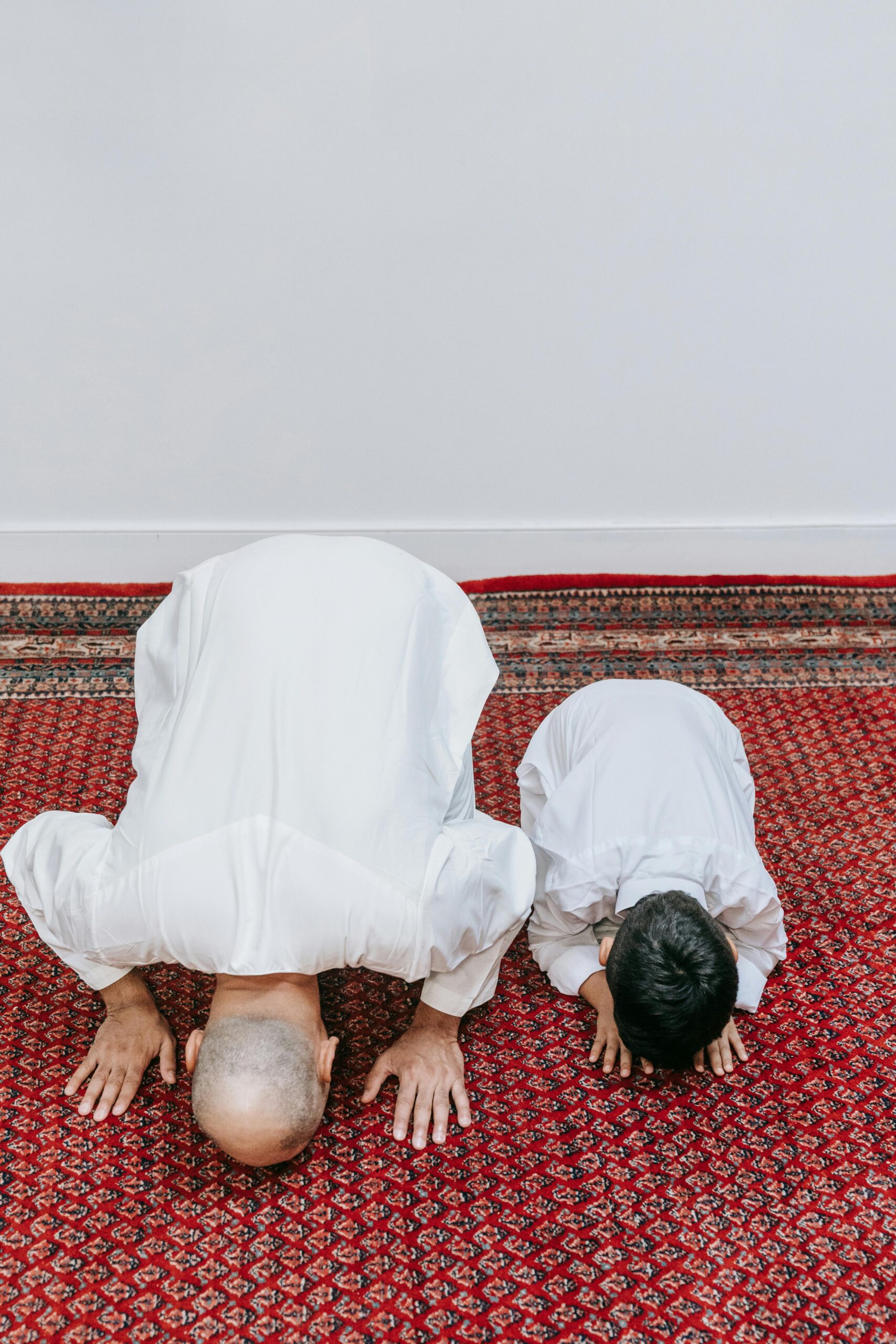
Parenting is one of the greatest responsibilities in Islam. Children are considered a blessing from Allah and a trust given to parents. The way parents guide, teach, and care for their children shapes their future personality, faith, and behavior. Islamic parenting is not only about providing food, clothing, and education; it is also about nurturing strong morals, kindness, respect, and a close relationship with Allah.
One of the most important aspects of Islamic parenting is leading by example. Children learn more from actions than from words. If parents pray regularly, speak politely, and treat others with honesty and respect, children naturally develop similar habits. A peaceful and loving home environment helps children feel secure and valued. Islam teaches parents to show mercy and patience toward their children. The Prophet Muhammad ﷺ treated children with love and kindness, proving that compassion is essential in raising a healthy family.
Teaching faith from an early age is another key responsibility. Parents should introduce children to basic Islamic values in simple and understandable ways. Teaching them how to pray, recite short duas, and understand the importance of honesty and gratitude helps build a strong spiritual foundation. Instead of forcing religion harshly, parents should encourage children with wisdom, gentleness, and positive motivation. When children associate Islam with love, peace, and understanding, they are more likely to stay connected to their faith throughout life.
Good communication is also necessary for successful parenting. Parents should listen carefully to their children and make them feel comfortable sharing their thoughts and problems. Many children become distant when they fear criticism or anger. Islam encourages respectful conversation and understanding between family members. When parents speak calmly and guide wisely, children develop confidence and emotional strength. Spending quality time together, eating meals as a family, and discussing daily experiences can strengthen family bonds.
Discipline is important, but it should always be balanced with mercy. Islam does not support harshness or humiliation. Correcting mistakes should be done privately and respectfully. Parents should explain why a behavior is wrong and guide children toward better choices. Rewarding good behavior can also encourage children to act responsibly. A child who grows up with fairness and understanding is more likely to become disciplined and respectful.
Education plays a major role in Islamic parenting. Parents should encourage both religious and worldly knowledge. Islam values learning and personal growth. Children should be taught to work hard, respect teachers, and use knowledge for good purposes. At the same time, parents should monitor what influences their children, especially in today’s digital world. Social media, television, and online content can affect a child’s thinking and behavior. Parents should guide children toward beneficial activities and teach them how to make wise choices.
Another important lesson in Islamic parenting is teaching gratitude and humility. Children should learn to appreciate the blessings Allah has given them and understand the importance of helping others. Encouraging charity, kindness to neighbors, and respect for elders develops empathy and responsibility. These qualities help children become positive members of society.
Finally, parents should always make dua for their children. Along with effort and guidance, parents should ask Allah to protect their children, increase them in knowledge, and guide them toward righteousness. No parent is perfect, and challenges are part of family life, but sincerity, patience, and trust in Allah can help parents raise children with strong faith and noble character.
In conclusion, Islamic parenting is based on love, patience, guidance, and good example. By teaching faith, maintaining open communication, and showing mercy, parents can help their children grow into responsible and compassionate individuals. A child raised with Islamic values not only benefits the family but also contributes positively to society.
Leave A Comment