

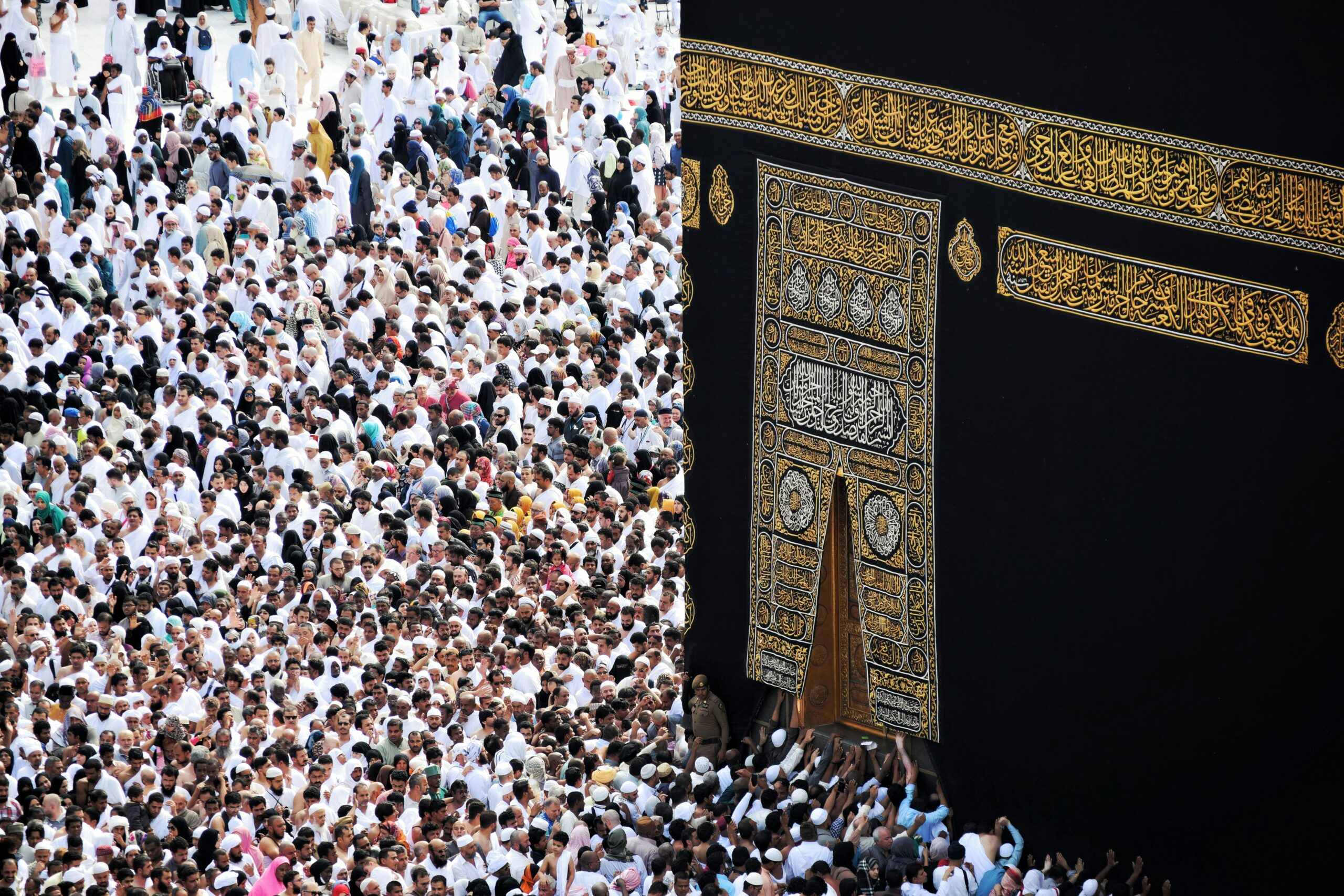
Every year, millions of Muslims from different countries travel to Mecca to perform this sacred pilgrimage. It is the fifth pillar of Islam and becomes compulsory once in a lifetime for every Muslim who is physically healthy and financially able to undertake the journey. Hajj is not only a religious obligation but also a spiritual experience that strengthens faith, patience, and unity among believers.
The history of Hajj goes back thousands of years to the time of Prophet Ibrahim (A.S.), his wife Hajra, and their son Prophet Ismail (A.S.). Muslims believe that Prophet Ibrahim (A.S.) was commanded by Allah to leave his family in the desert near the Kaaba. Later, Allah instructed him and Prophet Ismail (A.S.) to build the Kaaba as a place of worship. The rituals of Hajj remind Muslims of the sacrifices, obedience, and trust shown by this noble family. These events continue to inspire millions of people around the world.
The pilgrimage takes place during the Islamic month of Dhul Hijjah. Pilgrims first enter a state of purity known as Ihram. In this state, men wear two simple white cloths while women dress modestly. Ihram teaches equality because rich and poor, powerful and weak, all appear the same before Allah. This simple dress also reminds Muslims that worldly status has no value in the eyes of God except righteousness and good deeds.
One of the main rituals of Hajj is Tawaf, which involves walking around the Kaaba seven times. Pilgrims also perform Sa’i by walking between the hills of Safa and Marwah in memory of Hajra’s search for water for her son. Another important part of Hajj is standing at the plain of Arafat, where pilgrims pray and seek forgiveness from Allah. This gathering is often described as the heart of Hajj because it symbolizes humility, repentance, and devotion.
Pilgrims also spend time in Muzdalifah and Mina, where they perform other rituals, including the symbolic stoning of the devil. This act represents the rejection of evil and temptation in daily life. During Hajj, Muslims sacrifice an animal to honor the willingness of Prophet Ibrahim (A.S.) to sacrifice his son in obedience to Allah’s command. The meat from the sacrifice is often shared with the poor and needy, promoting kindness and social responsibility.
Hajj teaches many valuable lessons. It develops patience because the journey requires physical effort and discipline. It also encourages unity among Muslims, as people from different cultures, languages, and backgrounds gather together for one purpose: the worship of Allah. The pilgrimage reminds believers that Islam promotes peace, equality, and brotherhood.
For many Muslims, completing Hajj is the most memorable experience of their lives. Pilgrims return home with a renewed sense of faith and a stronger connection with their religion. They often try to become better individuals by practicing honesty, compassion, and humility in their daily lives.
In conclusion, Hajj is much more than a journey to a holy place. It is a powerful act of worship that brings Muslims closer to Allah and teaches important values such as sacrifice, unity, patience, and equality. The pilgrimage continues to inspire millions of believers and remains one of the greatest symbols of Islamic faith and devotion.
Leave A Comment