

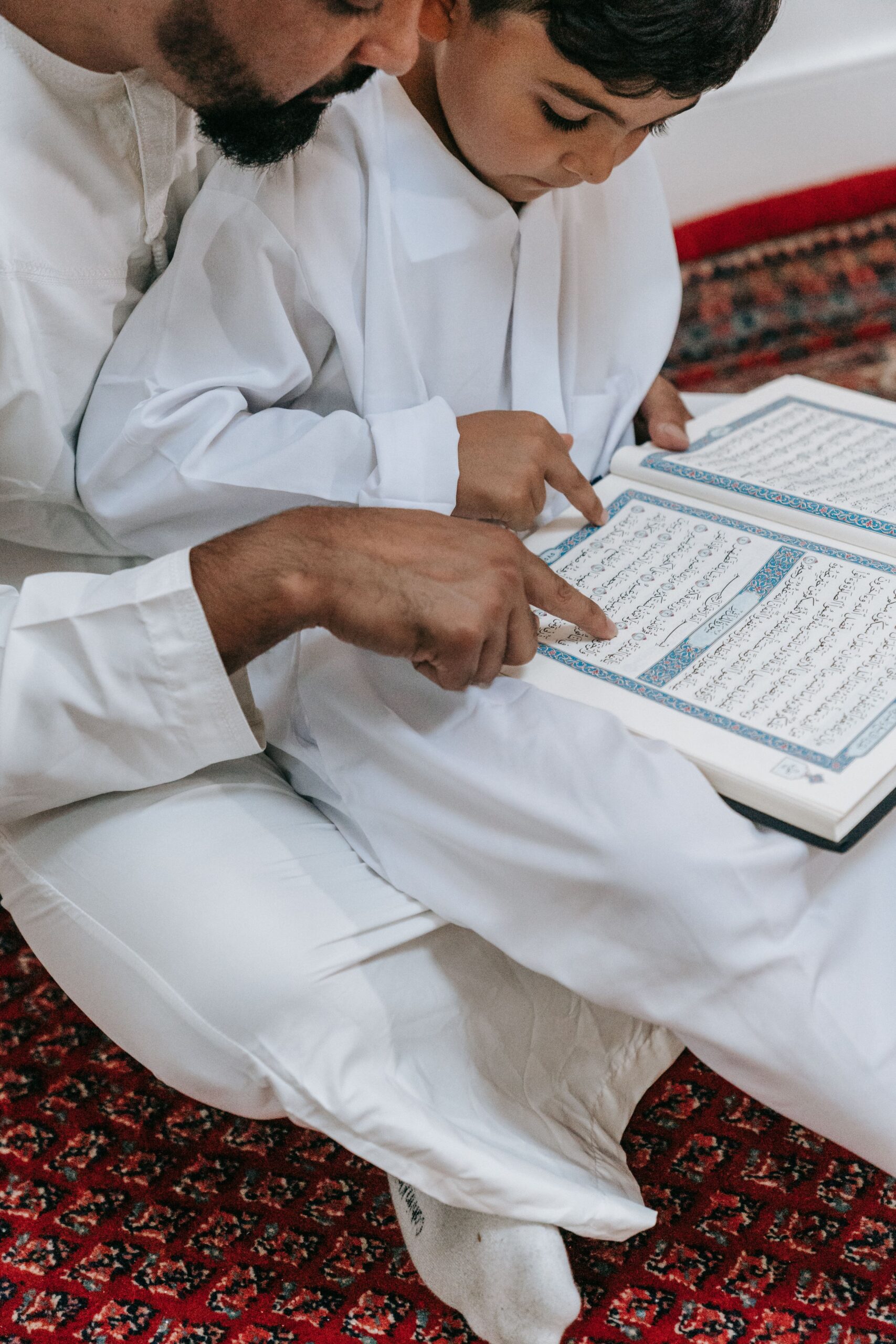
Parenting is one of the greatest responsibilities entrusted to human beings. In Islam, children are considered a blessing from Allah and a trust that parents must care for with love, wisdom, and dedication. Islamic parenting is not limited to providing food, clothing, and education; it also involves nurturing a child’s faith, character, and moral values. By following Islamic principles, parents can help raise responsible, kind, and God-conscious individuals.
If parents are honest, respectful, patient, and regular in their worship, children are more likely to adopt the same qualities. A parent’s actions often leave a stronger impression than their words. Therefore, practicing Islamic values at home is essential for effective parenting.
Teaching faith from an early age is another key principle. Parents should introduce their children to the basics of Islam in a simple and loving manner. Teaching them about Allah, the Quran, prayer, and the life of Prophet Muhammad (PBUH) helps build a strong spiritual foundation. A positive approach makes faith meaningful and enjoyable for them.
Love and compassion are central to Islamic parenting. Prophet Muhammad (PBUH) showed great affection toward children and treated them with kindness and respect. Parents should create a nurturing environment where children feel valued and supported. Expressing love through kind words, encouragement, and quality time strengthens the bond between parents and children. A loving home helps children develop confidence and emotional security.
Discipline is also important, but it should be balanced with mercy and wisdom. Islam encourages parents to guide their children gently and correct mistakes with patience. Harsh treatment, constant criticism, or anger can damage a child’s self-esteem and trust. Instead, parents should explain the reasons behind rules and help children understand the consequences of their actions. Constructive discipline teaches responsibility and self-control.
Another valuable parenting tip is encouraging good character. Honesty, respect, gratitude, generosity, and patience are qualities that Islam highly values. Parents can teach these virtues through daily interactions and practical examples. Encouraging children to help others, speak politely, and show respect to elders helps them develop into caring and responsible members of society.
Education is also highly emphasized in Islam. Parents should support both religious and worldly learning. Providing opportunities for children to gain knowledge helps them succeed in life and contribute positively to their communities. Reading together, discussing important topics, and encouraging curiosity can foster a lifelong love of learning.
In today’s digital age, parents should also guide their children in the responsible use of technology and social media. Monitoring online activities, setting healthy limits, and teaching Islamic values related to honesty, modesty, and respect can help children navigate the digital world safely. Open communication is essential so that children feel comfortable discussing challenges they may face.
Prayer and supplication play a significant role in Islamic parenting. Asking Allah for wisdom in raising children is a reminder that parenting is both a responsibility and a spiritual journey.
In conclusion, Islamic parenting is based on love, guidance, patience, and faith. By setting a good example, teaching Islamic values, encouraging education, and maintaining a caring relationship, parents can help their children grow into righteous and responsible individuals. Raising children according to Islamic principles not only benefits the family but also contributes to a stronger and more compassionate society.
Leave A Comment