
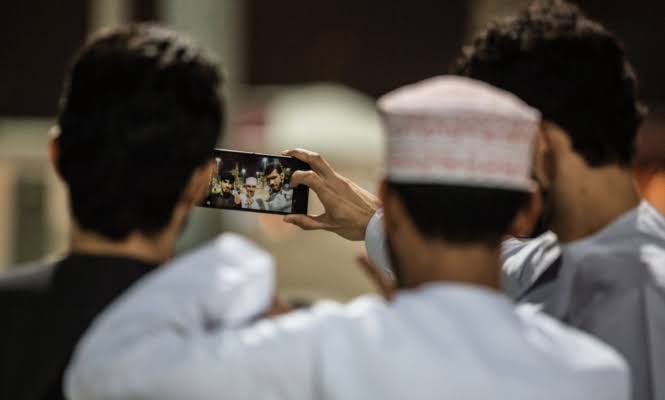
Social media has become an essential part of modern life. Platforms such as Facebook, Instagram, X, YouTube, and WhatsApp allow people to communicate, learn, share ideas, and stay connected with others across the world. Islam teaches that every blessing should be used responsibly. Therefore, Muslims should use social media in ways that reflect Islamic values, promote goodness, and avoid harm.
One of the most beneficial uses of social media is spreading authentic Islamic knowledge and positive messages. Muslims can share verses from the Holy Quran, authentic Hadith, educational articles, and reminders that encourage kindness, honesty, and good character. Sharing beneficial knowledge can inspire others to perform good deeds and strengthen their relationship with Allah. However, Islam also teaches believers to verify information before sharing it. Spreading false news, rumors, or unverified religious information is discouraged because it can mislead others and create confusion.
Respectful communication is another important Islamic principle. Social media should never be used to insult, mock, or humiliate others. Harsh language, online bullying, and hateful comments can damage relationships and spread negativity. Islam encourages Muslims to speak with wisdom, patience, and kindness, whether in face-to-face conversations or online interactions. Every post, comment, and message should reflect honesty and respect for others.
Islam also emphasizes protecting the privacy and dignity of individuals. Sharing someone’s personal information, photographs, or private conversations without permission is against Islamic ethics. Likewise, gossip, backbiting, and spreading rumors are major sins that can become even more harmful when shared on social media. Muslims should think carefully before posting or forwarding any content that may hurt another person’s reputation or feelings.
Another important aspect of Islamic social media use is time management. While social media can be educational and entertaining, excessive use can waste valuable time and distract people from their religious duties, studies, work, and family responsibilities. Islam encourages moderation in all aspects of life. A balanced approach allows Muslims to benefit from technology without neglecting their obligations to Allah, their families, and society.
Social media can also be used to promote charity and community service. Many organizations use online platforms to raise awareness about humanitarian causes, collect donations, and organize volunteer activities. Supporting these efforts reflects the Islamic values of generosity and compassion. Even sharing information about charitable projects or encouraging others to help those in need can become a rewarding act of worship.
Another valuable lesson is sincerity in online behavior. Islam teaches that good deeds should be performed to seek Allah’s pleasure rather than praise from people. Muslims should avoid showing off their acts of worship or seeking popularity through religious content. A humble and sincere attitude ensures that online activities remain meaningful and spiritually beneficial.
Parents and teachers also have an important role in guiding young people toward responsible social media use. They should encourage children to use technology for learning, personal growth, and positive communication while helping them avoid harmful content and unhealthy online habits. Teaching Islamic values such as honesty, modesty, respect, and accountability prepares young Muslims to navigate the digital world wisely.
In conclusion, social media is a powerful tool that can either benefit or harm individuals depending on how it is used. Islam encourages Muslims to use social media responsibly by promoting truth, kindness, respect, beneficial knowledge, and compassion. At the same time, believers should avoid gossip, false information, harmful speech, and unnecessary distractions. By following Islamic principles in the digital world, Muslims can make social media a source of goodness, learning, and positive influence for themselves and for society.
Leave A Comment