

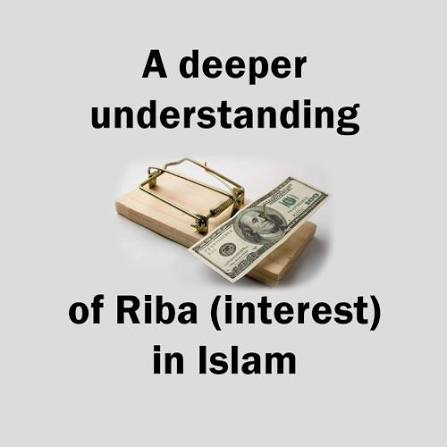
Islam is a complete way of life that provides guidance in matters of faith, worship, ethics, and financial dealings. One of the most important principles of Islamic economics is the prohibition of Riba, commonly translated as interest or usury. The Quran and the Sunnah clearly forbid Riba because it is considered harmful to individuals and society. Islam encourages fairness, justice, and mutual benefit in all financial transactions, while discouraging practices that exploit others.
Riba refers to an increase or excess that is taken on a loan or debt without a fair exchange of goods, services, or shared business risk. In Islamic teachings, wealth should be earned through honest work, trade, investment, or lawful business activities. Earning money simply by charging interest on a loan is prohibited because it guarantees profit for one party regardless of the financial condition of the borrower.
One of the main reasons Riba is forbidden is that it can lead to injustice. A person who borrows money is often in need, and charging interest may increase that person’s financial burden. Over time, interest payments can make it difficult for borrowers to repay their debts, causing stress, hardship, and even poverty. Islam aims to protect vulnerable people from exploitation and encourages financial dealings based on compassion and fairness.
Another reason for the prohibition of Riba is that it can create economic inequality. When wealth grows mainly through interest, those who already have money may continue to increase their wealth while borrowers struggle with additional financial obligations. Islam promotes a balanced economic system in which wealth circulates through trade, investment, charity, and productive work rather than becoming concentrated in the hands of a few.
Islam also encourages risk-sharing instead of guaranteed profit. In lawful business partnerships, both parties share the possibility of profit and loss. This creates a sense of responsibility and fairness. By contrast, interest allows the lender to earn a fixed return regardless of whether the borrower succeeds or suffers losses. Islamic finance emphasizes cooperation and shared responsibility rather than one-sided financial gain.
The prohibition of Riba also promotes ethical values. It reminds Muslims that financial success should not come at the expense of others. Honesty, trust, generosity, and social responsibility are essential principles in Islamic business ethics. Instead of exploiting those in need, Muslims are encouraged to help others through interest-free loans, charity, and fair business practices. Such actions strengthen communities and promote mutual support.
In addition to avoiding Riba, Islam encourages lawful alternatives. Trade, entrepreneurship, investment, and partnerships are all considered permissible ways to earn income. These methods contribute to economic growth because they involve real goods, services, and productive effort. They also encourage innovation, employment, and cooperation within society.
The Quran strongly warns against Riba while praising honest trade and lawful earnings. Muslims believe that obeying Allah’s commands brings blessings to their wealth and peace to their lives. Even when avoiding interest requires patience or sacrifice, believers trust that lawful earnings carry greater spiritual and moral value than wealth gained through prohibited means.
In conclusion, Riba is prohibited in Islam because it can lead to injustice, exploitation, and economic imbalance. Islam promotes financial systems based on fairness, shared responsibility, compassion, and honest effort. By avoiding interest and choosing lawful means of earning, Muslims uphold the values of justice and integrity that form the foundation of Islamic teachings. The prohibition of Riba is not merely a financial rule but a moral principle that aims to protect individuals and build a more caring and equitable society.
Leave A Comment