

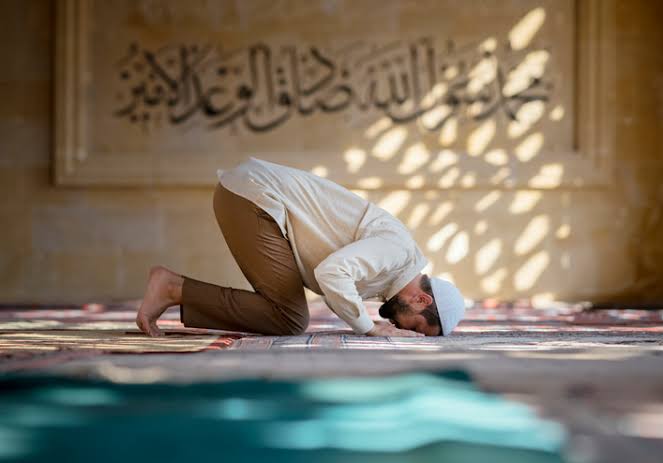
Salah is one of the most important acts of worship in Islam. It is the second pillar of Islam and serves as a direct connection between a believer and Allah. However, the true beauty of Salah is not only found in its physical movements but also in Khushu, which means humility, sincerity, and complete concentration during prayer. Khushu is the state in which a person’s heart, mind, and body are fully focused on the worship of Allah. It transforms Salah from a routine action into a deeply meaningful spiritual experience.
Khushu begins with the awareness that a person is standing before Allah, the Creator of the heavens and the earth. A believer who prays with Khushu realizes that Allah hears every word, knows every thought, and understands every emotion. This awareness creates feelings of humility, gratitude, hope, and reverence. Instead of rushing through the prayer, the worshipper performs each part calmly and thoughtfully, seeking closeness to Allah.
One of the greatest benefits of Khushu is that it strengthens a person’s relationship with Allah. When the heart is fully engaged in prayer, distractions become less important, and the believer experiences inner peace and spiritual comfort. Many people face stress, anxiety, and difficulties in daily life, but Salah performed with Khushu provides a sense of calm and reassurance. It reminds believers that Allah is always near and that they can seek His guidance and mercy at any time.
Understanding the meanings of the words recited during Salah also helps develop Khushu. When a Muslim knows the meaning of verses from the Quran, the supplications, and the praises offered to Allah, the prayer becomes more personal and heartfelt. Reflecting on these meanings allows the worshipper to connect emotionally with the message of the prayer rather than simply reciting words from memory.
Preparing properly before Salah is another important step in achieving Khushu. Performing ablution (Wudu) carefully, praying on time, choosing a clean and peaceful place, and avoiding unnecessary distractions help a person focus better. Turning off mobile phones, clearing the mind of worldly concerns, and remembering the greatness of Allah before beginning the prayer can improve concentration significantly.
Khushu also influences a Muslim’s character outside of prayer. A person who regularly prays with sincerity is more likely to develop honesty, patience, kindness, and self-control. Salah reminds believers to avoid sinful behavior and encourages them to treat others with respect and compassion. In this way, Khushu is not limited to the prayer itself but positively affects every aspect of daily life.
Achieving Khushu is a lifelong journey that requires effort and consistency. Every believer may experience moments of distraction during Salah, but Islam encourages continuous improvement rather than perfection. By making sincere efforts to focus, understanding the purpose of prayer, and asking Allah for guidance, Muslims can gradually strengthen their concentration and devotion.
Another important lesson is that Khushu comes from sincerity rather than outward appearance. A beautiful voice or long recitation alone does not guarantee true humility. Real Khushu is found in a heart that remembers Allah with love, fear, hope, and complete trust. It is this inner state that gives Salah its true value and makes it a source of spiritual growth.
In conclusion, Khushu is the heart of Salah. It brings humility, concentration, and sincerity into worship, allowing believers to experience a closer relationship with Allah. Through proper preparation, understanding, and regular practice, Muslims can develop Khushu and make their prayers more meaningful. A Salah performed with Khushu not only strengthens faith but also inspires a life filled with peace, good character, and devotion to Allah.
Leave A Comment