

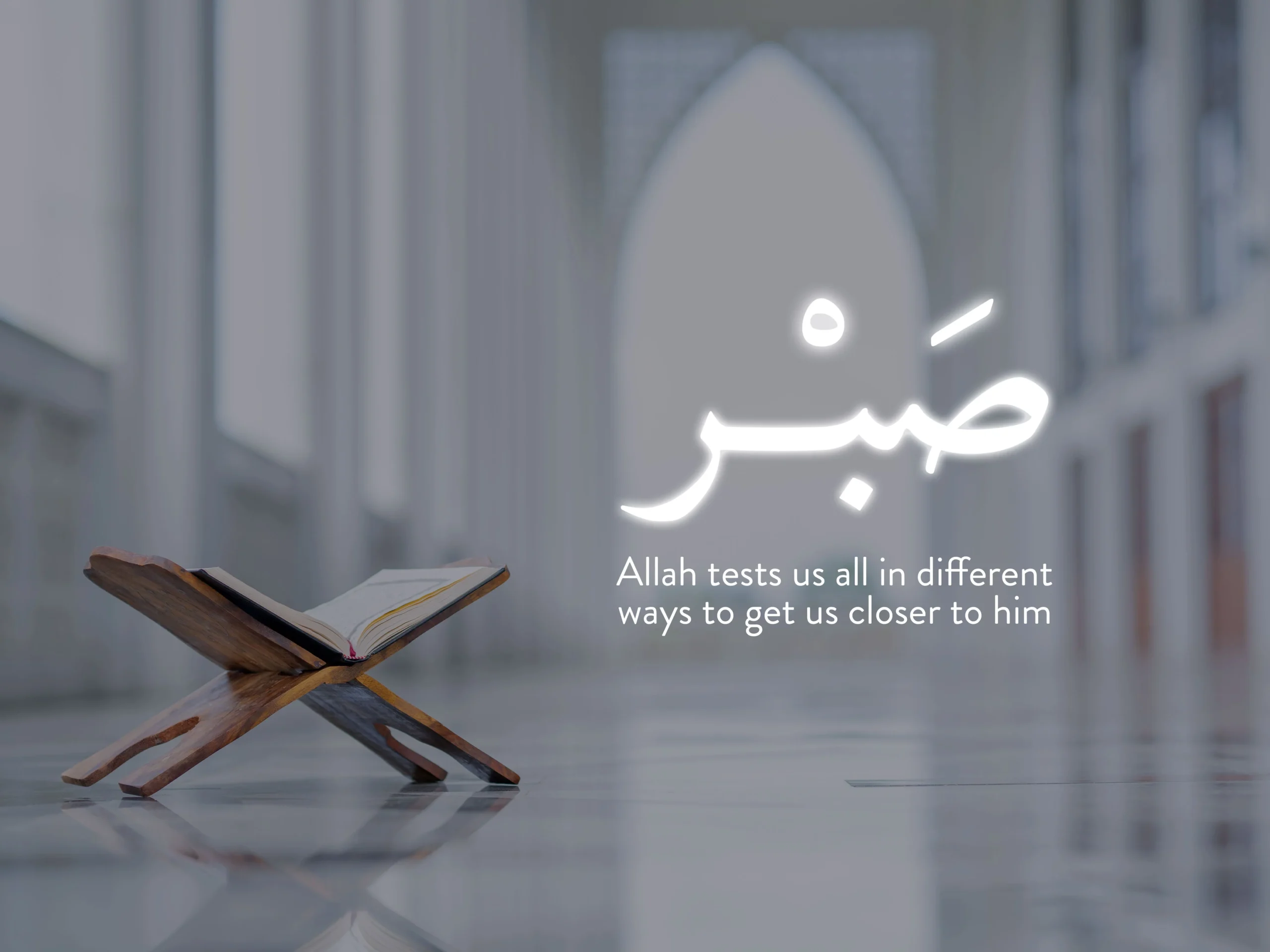
Sabr, or patience, is one of the most important virtues in Islam. It is a quality that enables a believer to remain steadfast during times of hardship, control emotions, and continue obeying Allah despite challenges. The Quran and the teachings of Prophet Muhammad (PBUH) repeatedly emphasize the importance of patience, describing it as a characteristic of sincere believers. Sabr is not a sign of weakness or helplessness; rather, it is a source of inner strength, wisdom, and trust in Allah’s plan.
In Islam, Sabr has a broad meaning. It includes remaining patient during difficulties, staying committed to acts of worship, and resisting temptations that lead to sin. Every person faces trials such as illness, financial problems, personal loss, or disappointment. Islam teaches that these hardships are tests from Allah, and believers are encouraged to face them with faith, hope, and perseverance instead of despair.
One of the greatest examples of patience is found in the lives of the Prophets. Prophet Ayyub (AS) remained patient despite severe illness and the loss of his wealth and family. He continued to trust Allah and never lost hope in His mercy. Likewise, Prophet Yusuf (AS) showed remarkable patience through betrayal, imprisonment, and separation from his family. Their stories remind Muslims that patience during hardship leads to Allah’s mercy and eventual relief.
Sabr is also essential in performing acts of worship. Offering the five daily prayers on time, fasting during Ramadan, giving charity, and living according to Islamic teachings all require dedication and self-discipline. A believer may sometimes find these responsibilities challenging, but patience helps maintain consistency and strengthens one’s relationship with Allah.
Another important aspect of Sabr is controlling anger and emotions. In daily life, people often face disagreements, criticism, or unfair treatment. Islam teaches Muslims to respond with wisdom, kindness, and self-control rather than reacting with anger or revenge. A patient person avoids harsh words and harmful actions, helping to maintain peace within families and communities. This type of patience reflects good character and emotional maturity.
Sabr also helps believers remain hopeful during uncertain times. Life does not always go according to human plans, but Islam teaches that Allah’s wisdom is perfect. A delay, difficulty, or disappointment may later prove to be beneficial. By trusting Allah’s decisions and continuing to make sincere efforts, Muslims learn to accept challenges without losing faith. This balance between patience and effort is an important part of Islamic teaching.
The rewards of patience are immense. The Quran promises that Allah is with those who are patient and that they will receive great rewards in this life and the Hereafter. Patience brings inner peace, strengthens faith, and helps individuals overcome fear and anxiety. It also develops resilience, allowing people to face future challenges with greater confidence and determination.
Practicing Sabr in everyday life can be simple yet meaningful. Students should remain patient while working hard for success. Parents should show patience while raising their children. Employees should remain honest and hardworking even during difficult circumstances. In every situation, patience should be accompanied by sincere effort, prayer, and trust in Allah.
In conclusion, Sabr is a noble quality that plays a vital role in the life of every Muslim. It teaches believers to remain strong during hardships, steadfast in worship, and calm in difficult situations. By following the examples of the Prophets and trusting in Allah’s wisdom, Muslims can develop patience that strengthens their faith and improves their character. Sabr is not merely waiting during hardship but facing every challenge with hope, perseverance, and complete trust in Allah’s mercy.
Leave A Comment