

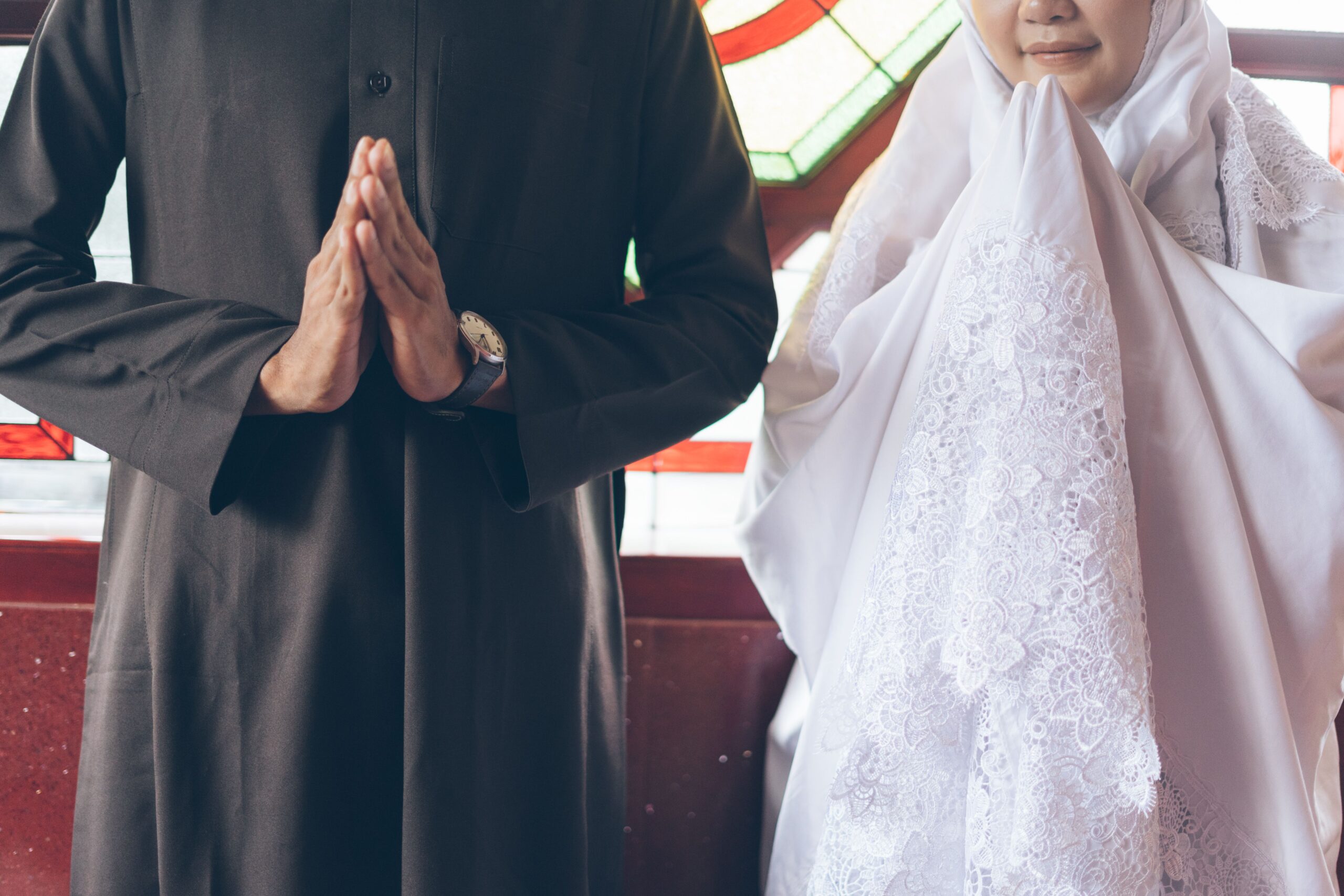
Marriage is one of the most valued institutions in Islam. It is a sacred bond based on love, mercy, trust, and mutual respect. The Quran describes the relationship between husband and wife as one of tranquility and compassion, emphasizing that both spouses are partners in building a strong family. In modern Muslim marriages, understanding the mutual rights and responsibilities of each spouse is essential for creating a peaceful, supportive, and successful relationship.
One of the fundamental principles of an Islamic marriage is mutual respect. Both husband and wife are expected to honor each other’s dignity, feelings, and opinions. Respect creates an atmosphere where differences can be discussed calmly and decisions can be made through understanding rather than conflict. Islam encourages spouses to speak kindly to one another and to avoid harsh words or behavior that may damage the relationship.
Love and mercy are also central to a successful marriage. The Quran teaches that Allah has placed affection and compassion between spouses. This means that marriage is not only a legal contract but also an emotional partnership. Husbands and wives should care for each other’s physical, emotional, and spiritual well-being. Offering encouragement during difficult times, celebrating achievements together, and showing appreciation for one another strengthen the marital bond.
Honesty and trust form another important foundation of marriage. Islam teaches that spouses should be truthful with one another and fulfill their promises. Trust develops when both partners are reliable, transparent, and faithful. Protecting each other’s privacy and maintaining loyalty are essential responsibilities that contribute to a healthy and lasting relationship.
Islam also recognizes that both spouses have responsibilities within the family. A husband is encouraged to provide financial support according to his ability and to treat his wife with kindness and fairness. At the same time, a wife has important responsibilities in supporting the family and maintaining a caring home environment. However, many Muslim families today also share responsibilities according to their circumstances, abilities, and mutual agreement. Islam encourages cooperation, consultation, and fairness rather than unnecessary hardship.
Good communication is essential in every marriage. Differences of opinion are natural, but they should be addressed with patience, respect, and wisdom. Listening carefully, expressing concerns politely, and seeking peaceful solutions help prevent misunderstandings from becoming larger conflicts. Islam encourages spouses to consult one another in family matters, recognizing that successful marriages are built on teamwork and shared decision-making.
Another important responsibility is supporting each other’s spiritual growth. Spouses should encourage one another to perform prayers, recite the Quran, seek beneficial knowledge, and maintain good character. A marriage centered on faith helps both husband and wife remain committed to Islamic values and strengthens the family as a whole. Parents who practice these values together also provide a positive example for their children.
Forgiveness and patience are equally important in married life. Every person makes mistakes, and no marriage is free from challenges. Islam encourages spouses to forgive one another, overlook minor faults, and work together to solve problems instead of allowing resentment to grow. Patience, understanding, and sincere efforts to improve the relationship contribute to long-term happiness and stability.
In today’s world, mutual support has become increasingly important. Many couples balance careers, education, family responsibilities, and community involvement. Islam encourages cooperation and compassion in managing these responsibilities. Helping one another with daily tasks, respecting each other’s goals, and appreciating each other’s efforts strengthen the partnership and create a more harmonious home.
In conclusion, Islamic marriage is built upon mutual rights and shared responsibilities. Respect, love, honesty, kindness, patience, and cooperation are the values that help spouses create a successful and peaceful relationship. By following the guidance of the Quran and the example of Prophet Muhammad (PBUH), Muslim couples can build marriages based on trust, compassion, and faith. Such relationships not only bring happiness to the husband and wife but also contribute to stronger families and healthier communities.
Leave A Comment