

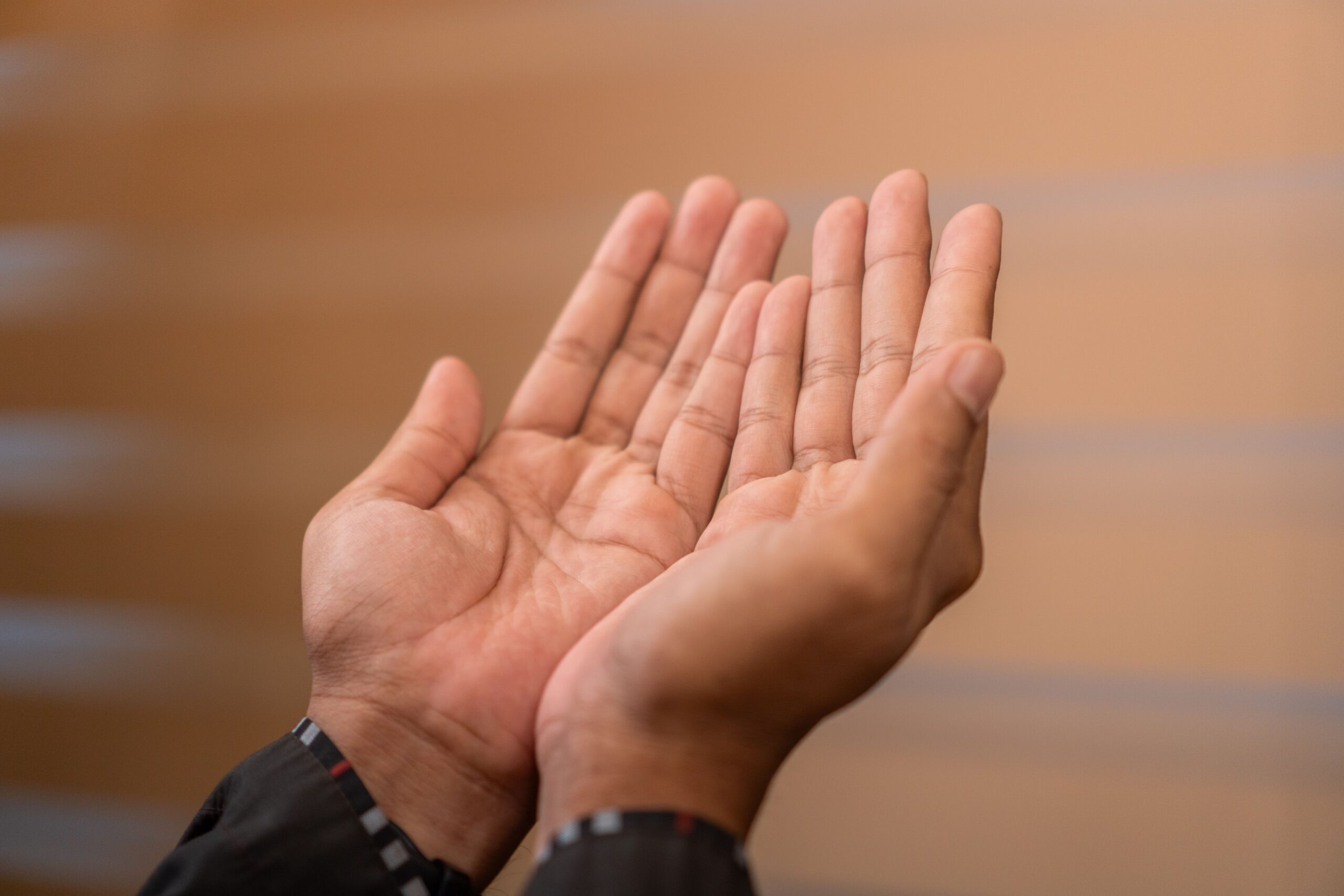
Gratitude, known as Shukr in Islam, is one of the most beautiful qualities a believer can develop. Every blessing that we enjoy—our health, family, food, knowledge, wealth, and even the air we breathe—is a gift from Allah. Many of these blessings become so familiar that we forget their value. Islam teaches Muslims to recognize these favors, thank Allah for them, and use them in ways that please Him.
The Quran repeatedly reminds believers to be grateful. Thanking Allah is not only an expression of good manners but also an act of worship. A grateful heart acknowledges that every success and every blessing ultimately comes from Allah. Whether a person has many possessions or only a little, gratitude brings contentment because it focuses on what Allah has provided rather than on what is missing.
One of the greatest blessings is life itself. Every new day is an opportunity to worship Allah, perform good deeds, seek forgiveness, and improve ourselves. Our ability to see, hear, speak, think, and move are blessings that many people may lose due to illness or old age. Reflecting on these gifts helps us appreciate them instead of taking them for granted.
Another priceless blessing is guidance to Islam. Allah has blessed Muslims with faith, the Quran, and the example of Prophet Muhammad (PBUH). These gifts provide direction, purpose, and hope in every stage of life. While material possessions may disappear, the guidance of Islam helps believers make wise decisions and strengthens them during times of hardship.
Our families and loved ones are also among Allah’s greatest blessings. Parents, spouses, children, relatives, and sincere friends provide love, care, and support. Islam encourages believers to appreciate these relationships and treat others with kindness and respect. Expressing gratitude for the people in our lives strengthens family bonds and creates a more loving community.
Gratitude is not limited to saying “Alhamdulillah.” Although these words are very important, true Shukr also involves action. A believer thanks Allah by obeying His commands, helping those in need, speaking truthfully, and using blessings responsibly. Wealth should be used generously, knowledge should benefit others, and good health should be used to perform righteous deeds. In this way, gratitude becomes visible through both words and actions.
Being grateful does not mean that life is free from difficulties. Every person experiences challenges, disappointment, and hardship. Islam teaches that even during difficult times, believers can find reasons to thank Allah. Trials may strengthen patience, increase reliance on Allah, and bring spiritual growth. A grateful person understands that Allah’s wisdom is greater than human understanding and trusts that every situation has a purpose.
One practical way to develop gratitude is to reflect daily on the blessings Allah has given.
This habit trains the heart to notice Allah’s favors rather than focusing only on problems.
Gratitude also protects people from envy and dissatisfaction. Instead of constantly comparing themselves with others, grateful believers appreciate what Allah has given them while making lawful efforts to improve their lives. This attitude brings inner peace and reduces unnecessary stress.
In conclusion, thanking Allah for His blessings is one of the foundations of a strong and healthy faith. Every blessing, whether great or small, is a sign of Allah’s mercy and generosity. By remembering Him, saying Alhamdulillah, using our blessings wisely, and remaining patient during hardships, Muslims can develop a heart filled with gratitude. A grateful believer not only earns Allah’s pleasure but also experiences greater peace, happiness, and contentment in everyday life.
Leave A Comment