

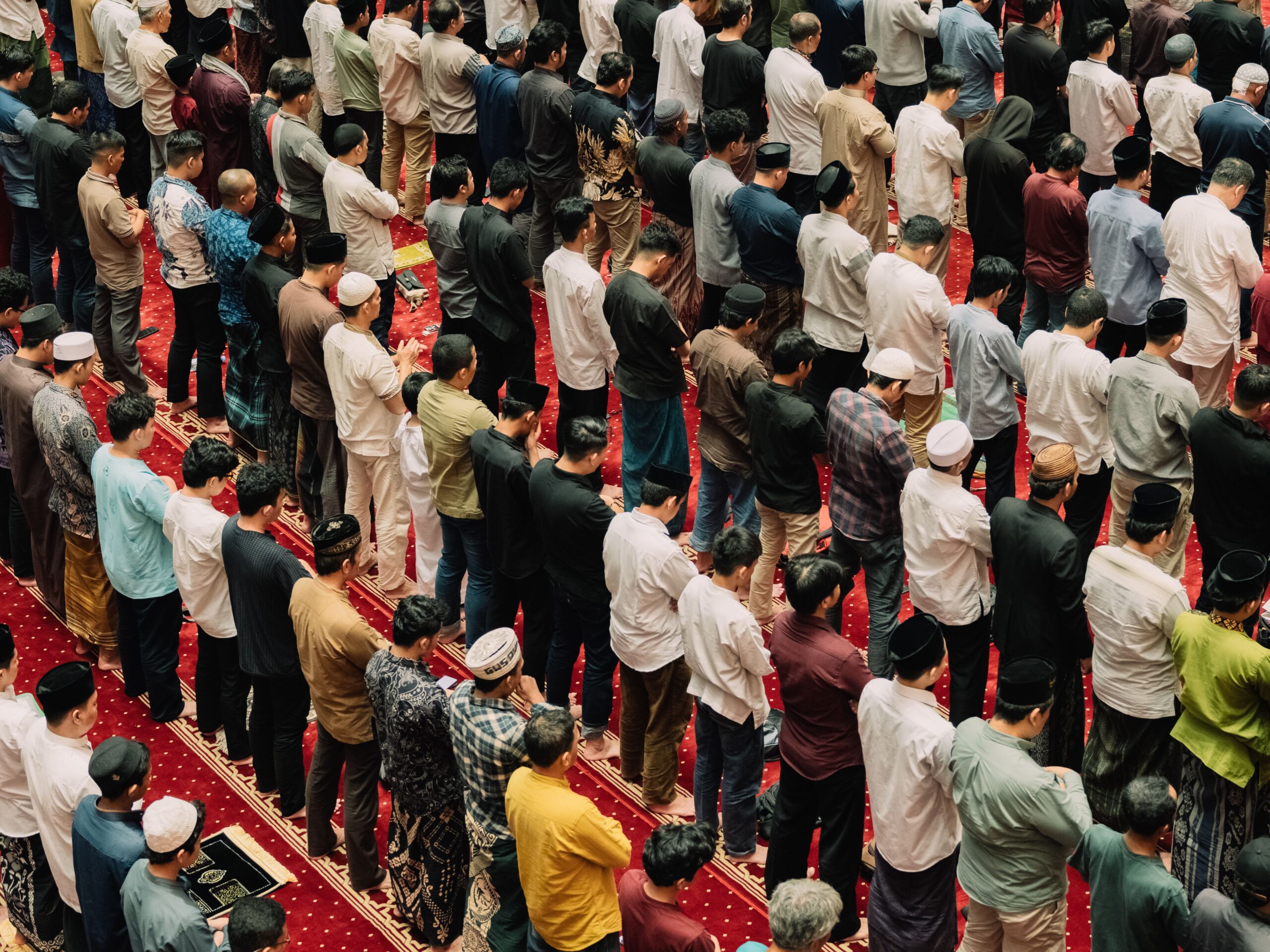
Muslims around the world come from different countries, cultures, languages, and backgrounds, yet they are united by one faith, one Quran, and one Creator. Islam teaches that all believers are members of a single Ummah, connected by faith and mutual responsibility. Muslim unity is not based on race, nationality, or social status but on belief in Allah and obedience to His guidance. When Muslims remain united, they become a source of strength, mercy, and support for one another.
The Quran repeatedly encourages believers to remain united and avoid division. Islam teaches that disagreements should not lead to hatred or hostility. While differences of opinion may exist on certain matters, they should be handled with respect, wisdom, and good manners. The common foundations of faith are far greater than the issues that may divide people. Focusing on shared beliefs helps preserve harmony within the Muslim community.
Prophet Muhammad (PBUH) emphasized the importance of brotherhood and compassion among Muslims. He taught that believers should care for one another, support each other in times of hardship, and celebrate each other’s successes. A Muslim should not mock, insult, or look down upon another believer. Instead, kindness, respect, and sincere advice should guide every interaction. These teachings create strong relationships built on trust and mutual care.
One of the greatest symbols of Muslim unity is Salah. Every day, Muslims across the world face the same Qiblah and worship Allah together. During congregational prayers, people stand shoulder to shoulder regardless of their wealth, profession, or social status. This reminds believers that all people are equal before Allah and that true honor comes through righteousness and good character.
The annual pilgrimage of Hajj also demonstrates the beauty of unity. Millions of Muslims from every continent gather in Makkah wearing simple garments and performing the same acts of worship. Differences in language, culture, and nationality disappear as believers unite in devotion to Allah. Hajj serves as a powerful reminder that the Muslim Ummah is one global family.
Unity is strengthened through good character. Muslims should avoid gossip, backbiting, jealousy, and unnecessary arguments because these behaviors weaken relationships. Instead, they should practice forgiveness, patience, honesty, and humility. When disagreements occur, Islam encourages peaceful dialogue and reconciliation rather than hostility. Solving problems with wisdom helps preserve the unity of the community.
Helping one another is another important aspect of Muslim unity. Islam encourages believers to support the poor, care for orphans, assist those facing difficulties, and comfort those who are suffering. Charity, volunteering, and community service strengthen bonds between people and remind Muslims that they share responsibility for one another’s well-being. A united community is one where individuals care about the needs of others, not only their own interests.
In today’s digital age, Muslims also have a responsibility to promote unity online. Social media can be a powerful tool for spreading beneficial knowledge and encouraging good deeds. However, it can also become a source of division if people spread rumors, insults, or misinformation. Muslims should use online platforms responsibly by promoting respectful discussion, verifying information before sharing it, and avoiding content that creates unnecessary conflict within the Ummah.
Unity does not mean that every Muslim will always agree on every issue. Rather, it means treating one another with respect despite differences, maintaining good manners, and remembering that faith binds believers together. By focusing on common values and working together for the benefit of society, Muslims can build stronger families, healthier communities, and a more compassionate world.
In conclusion, Muslim unity is a blessing that strengthens both individuals and the Ummah as a whole. Through shared worship, mutual respect, kindness, cooperation, and service to others, believers can overcome differences and build lasting bonds of brotherhood and sisterhood. By following the teachings of the Quran and the example of Prophet Muhammad (PBUH), Muslims can preserve unity, spread peace, and contribute positively to society while seeking the pleasure of Allah.
Leave A Comment