

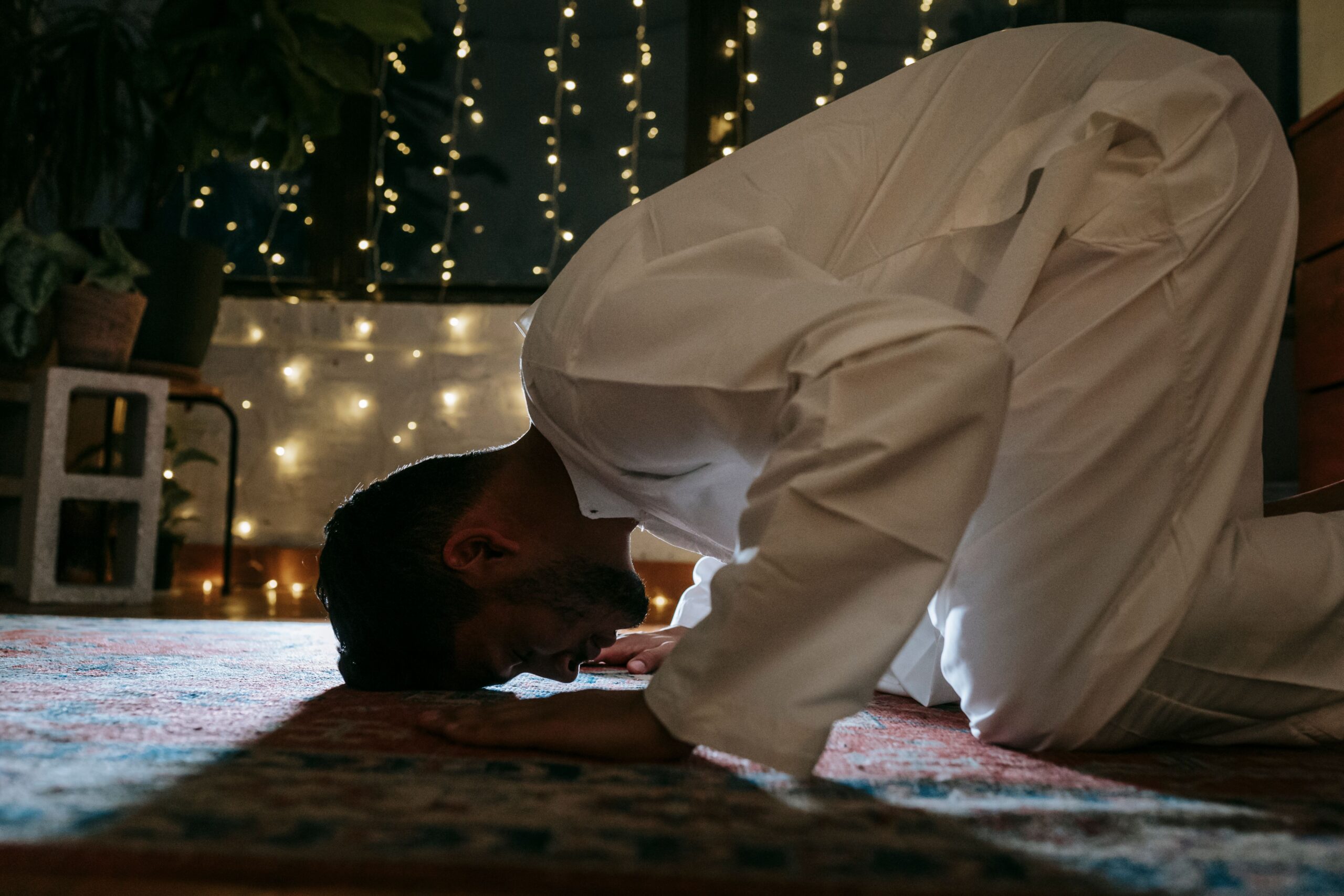
Salah, the five daily prayers, is one of the most important acts of worship in Islam. It is a direct connection between a Muslim and Allah and is one of the Five Pillars of Islam. Salah is not simply a daily religious duty; it also helps Muslims develop discipline, patience, gratitude, humility, and a stronger awareness of Allah. It gives believers regular opportunities throughout the day to stop their worldly activities and remember their Creator.
One of the greatest benefits of Salah is that it strengthens the relationship with Allah. Life can become busy with school, work, family responsibilities, and other activities. During Salah, a Muslim leaves these distractions for a short time and focuses on worship. Standing before Allah, reciting the Quran, making Ruku, and performing Sujood remind believers that Allah is greater than everything in the world.
Salah also teaches discipline and time management. Muslims pray at specific times throughout the day, which encourages punctuality and organization. A person who regularly performs Salah learns to arrange daily activities around important responsibilities. This habit can also improve discipline in studies, work, and other areas of life.
Another important benefit is inner peace. People experience stress, sadness, fear, and uncertainty in their daily lives. Salah provides an opportunity to turn to Allah with these concerns. During prayer, believers can seek forgiveness, ask for guidance, and place their trust in Allah. This spiritual connection can provide comfort and hope during difficult moments.
Salah also develops humility. In Sujood, a Muslim places their forehead on the ground before Allah. This physical act reminds believers that no matter how successful, wealthy, or powerful a person becomes, everyone remains a servant of Allah. It helps protect the heart from pride and encourages a humble attitude toward others.
Prayer also has an important effect on character and behavior. Regular worship should encourage Muslims to avoid dishonesty, injustice, harmful speech, and sinful actions. Salah reminds a person that Allah is aware of their actions, even when other people cannot see them. Therefore, prayer should influence how Muslims behave at home, at school, at work, and in society.
Another beautiful aspect of Salah is Muslim unity. When Muslims pray in congregation, they stand together regardless of their wealth, occupation, nationality, or social status. Everyone faces the same Qiblah and performs the same prayer. This creates a sense of equality and brotherhood within the Muslim community.
Salah also provides an opportunity for self-reflection. Five times a day, Muslims can pause and think about their actions. They can ask themselves whether they have treated others fairly, fulfilled their responsibilities, or made mistakes that require repentance. In this way, Salah can become a regular opportunity for personal improvement.
Maintaining Salah requires commitment, especially when a person is tired, busy, or facing difficulties. Continuing to pray during challenging times teaches patience and perseverance. It reminds believers that worship should remain an important part of life regardless of changing circumstances.
In conclusion, Salah is much more than a routine. It is a source of spiritual connection, discipline, peace, humility, and guidance. The five daily prayers remind Muslims of Allah throughout the day and encourage them to live according to Islamic values. By performing Salah sincerely and understanding its meaning, a Muslim can strengthen their faith, improve their character, and develop a closer relationship with Allah. Salah is a daily reminder that true success is not only found in worldly achievements but also in fulfilling our purpose as servants of Allah.
Leave A Comment