

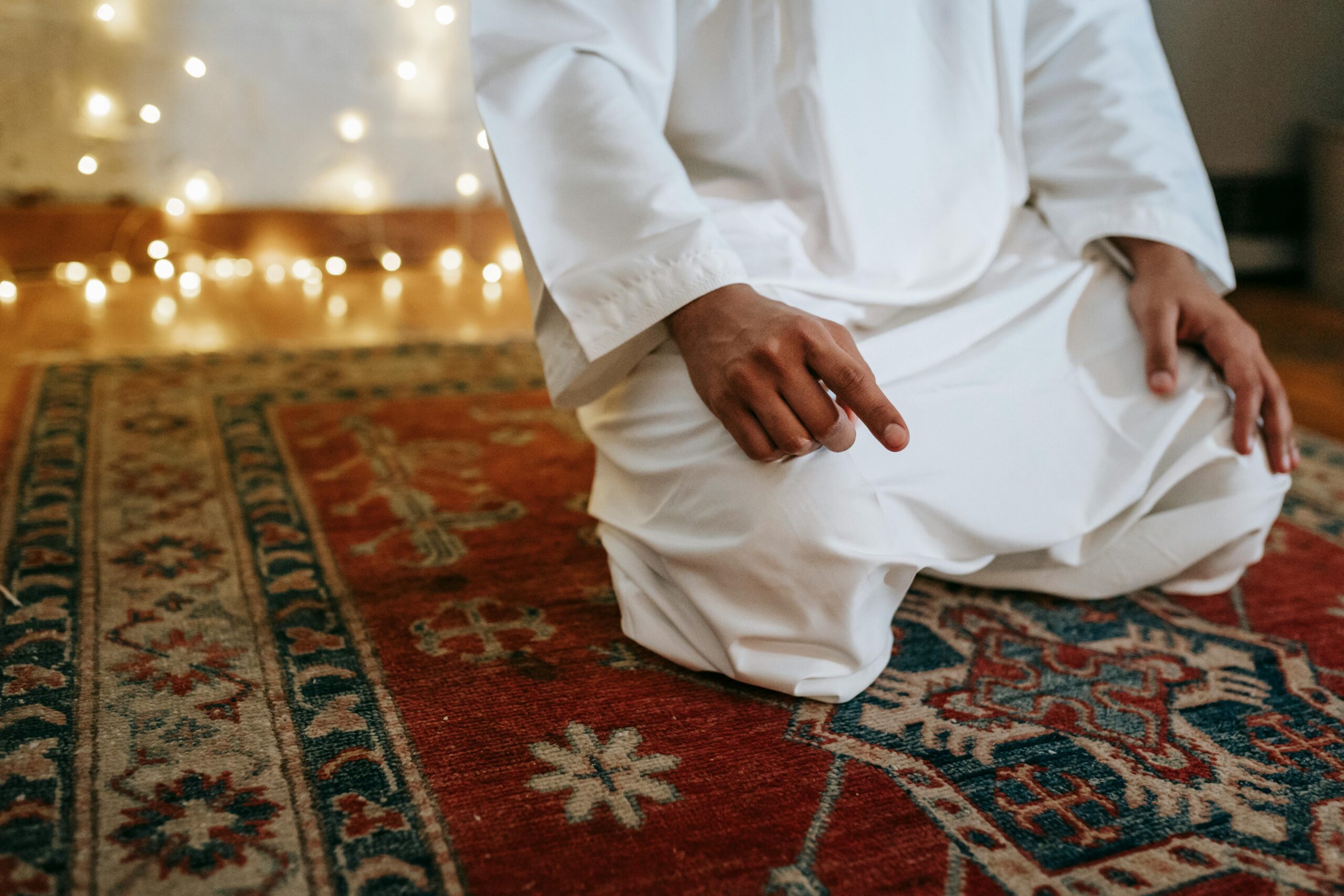
Salah, or prayer, is one of the most important acts of worship in Islam. It is a direct connection between a Muslim and Allah. Muslims are required to perform five daily prayers: Fajr, Dhuhr, Asr, Maghrib, and Isha. Salah is not simply a routine activity; it is an essential part of a Muslim’s faith, character, and daily life. It reminds believers of their purpose and keeps their hearts connected to Allah.
One of the greatest purposes of Salah is to worship and remember Allah. Modern life can become busy with studies, work, family responsibilities, and other activities. A person can easily become distracted by worldly matters. The five daily prayers provide regular moments to stop, remember Allah, and turn one’s attention toward Him. This helps Muslims maintain a strong spiritual connection throughout the day.
Salah also teaches discipline and responsibility. Each prayer has a specific time, which encourages Muslims to organize their daily routine. Performing Salah regularly requires commitment and consistency. A person who develops the habit of praying on time learns the importance of managing time and fulfilling responsibilities. These qualities can also benefit other areas of life, including education, work, and relationships.
Prayer provides an opportunity to seek peace and comfort. Everyone experiences stress, sadness, fear, and difficulties at different points in life. During Salah, Muslims stand before Allah and express their gratitude, concerns, hopes, and needs. Sujood, in particular, represents humility and submission to Allah. Turning to Allah during difficult moments can give a believer patience and hope.
Salah also encourages good character. The Quran teaches that prayer helps prevent indecency and wrongdoing. When a Muslim regularly remembers Allah and reflects on the meaning of worship, it can encourage greater awareness of one’s actions. Salah should therefore influence a person’s behavior outside the mosque as well. Honesty, kindness, patience, respect, and forgiveness are qualities that should be reflected in the life of a practicing Muslim.
Another important benefit of Salah is that it creates a sense of equality and unity. In congregational prayer, Muslims stand together regardless of their wealth, occupation, social position, or background. Everyone faces the same direction and worships the same Creator. This teaches humility and reminds Muslims that worldly status does not determine a person’s value before Allah.
Salah also strengthens gratitude. Muslims praise Allah for His blessings and recognize their dependence on Him. Through prayer, believers are reminded that health, family, knowledge, wealth, and opportunities are blessings that should not be taken for granted. Gratitude can help a person develop a more positive and content attitude toward life.
For young Muslims, developing the habit of Salah from an early age can build a strong foundation of faith and discipline. Parents and elders should encourage children toward prayer through patience, teaching, and good example rather than unnecessary harshness. Understanding the meaning of Salah can also help young people see prayer as a meaningful act of worship rather than merely a daily obligation.
In conclusion, Salah is at the heart of a Muslim’s daily life. It strengthens the relationship with Allah, develops discipline, provides spiritual comfort, encourages good character, and promotes unity among Muslims. The five daily prayers offer regular opportunities to pause from worldly distractions and remember the purpose of life. When performed sincerely and consistently, Salah can become a source of guidance, peace, gratitude, and spiritual strength.
Leave A Comment