

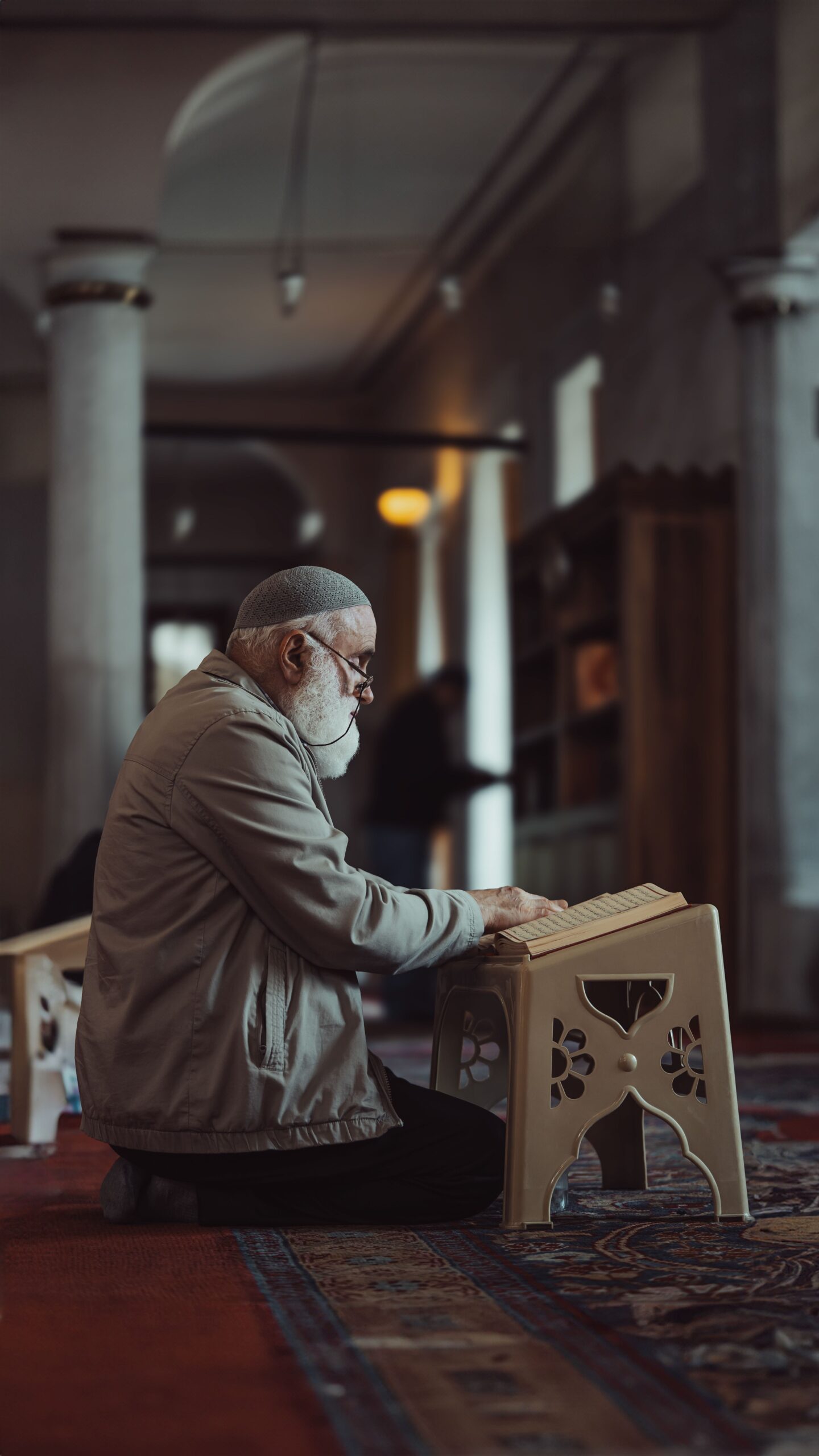
Life in this world, or Dunya, is full of responsibilities, opportunities, and challenges. Muslims are encouraged to work, study, build families, earn a lawful income, and contribute positively to society. At the same time, Islam teaches that this worldly life is temporary and that the Akhirah, or Hereafter, is everlasting. A successful Muslim therefore tries to maintain a healthy balance between worldly responsibilities and preparation for the Hereafter.
Balancing Dunya and Akhirah does not mean abandoning worldly life. Islam encourages Muslims to benefit from the blessings Allah has provided while remembering that these blessings come with responsibilities. A person can pursue education, build a career, start a business, or enjoy lawful activities while keeping faith and Islamic values at the center of life.
One important part of this balance is managing time wisely. Every person has limited time, and how we use it affects both our worldly and spiritual lives. Salah provides a natural structure for the day and reminds Muslims to pause their worldly activities and remember Allah. Alongside prayer, Muslims can make time for Quran recitation, beneficial learning, family responsibilities, work, exercise, and rest. Good time management allows different responsibilities to receive their proper attention.
Another important principle is earning and spending in a halal way. Muslims should work hard and seek lawful income to support themselves and their families. Wealth itself is not the goal of life, but it can be used for beneficial purposes. Helping parents, supporting a family, giving charity, assisting people in need, and contributing to society can all turn worldly resources into opportunities for reward.
Our intentions also matter. An ordinary activity can have spiritual value when it is done for a good purpose. Studying with the intention of gaining useful knowledge, working honestly to support one’s family, or maintaining good health so that one can fulfill responsibilities can all become meaningful acts when guided by sincere intentions.
A balanced life also requires avoiding excessive attachment to worldly possessions. Wealth, popularity, appearance, and social status can change quickly. Islam encourages Muslims to enjoy lawful blessings without allowing them to control the heart. A person should remember that possessions are temporary and that good deeds, character, and faith are more important for the Hereafter.
Family and relationships are another part of this balance. Sometimes people become so focused on work, studies, or financial success that they neglect parents, spouses, children, relatives, and friends. Islam places great importance on maintaining family ties and treating others with kindness. Spending quality time with loved ones can therefore be both a worldly responsibility and a source of spiritual reward.
Preparing for the Akhirah also means doing good deeds consistently. Salah, charity, helping others, speaking truthfully, forgiving people, avoiding harmful behavior, and remembering Allah are ways of preparing for the Hereafter. These actions do not require a person to withdraw from society. Instead, they can be practiced while living an active and productive life.
The real goal is not to divide life into “worldly” and “religious” activities, but to live the worldly part of our lives according to Islamic principles. When faith guides our choices, education, work, family life, wealth, and relationships can all become meaningful.
In conclusion, balancing Dunya and Akhirah means fulfilling our responsibilities in this world while never forgetting our ultimate accountability before Allah. Muslims should work hard, seek lawful success, care for their families, help others, and enjoy permissible blessings, while continuing to pray, remember Allah, and prepare for the Hereafter. A balanced life is one in which worldly responsibilities support, rather than distract from, our spiritual purpose.
Leave A Comment