

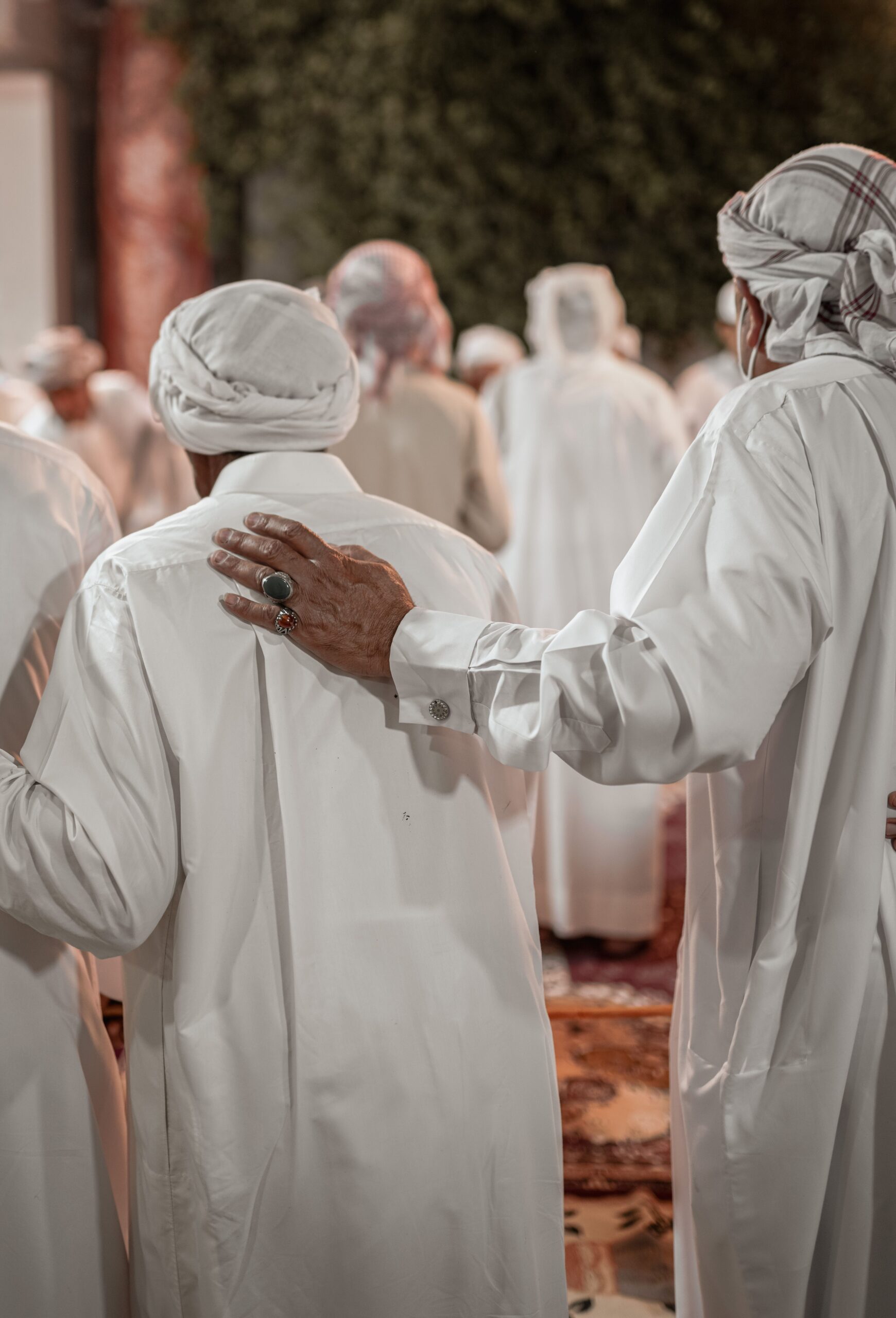
Brotherhood is one of the most beautiful teachings of Islam. It encourages Muslims to live with love, respect, kindness, and unity. Islam teaches that believers are not merely individuals who share the same faith; they are members of a community who should support one another during times of happiness and hardship. The concept of brotherhood creates strong relationships, promotes peace, and helps build a caring society.
The Quran emphasizes the importance of unity among Muslims. This verse teaches that Muslims should treat one another with compassion and work to resolve disagreements peacefully. Brotherhood is not limited to words or feelings; it requires practical actions that demonstrate care, forgiveness, and mutual support.
One of the most important aspects of Islamic brotherhood is equality. Islam teaches that a person’s worth is not determined by wealth, skin color, nationality, language, or social position. Muslims from different backgrounds stand together in Salah, worshipping the same Allah. This practice reminds them that no one should consider themselves superior to others because of worldly status.
The Prophet Muhammad (peace be upon him) demonstrated brotherhood through his words and actions. He encouraged Muslims to care for one another and to wish for others what they wish for themselves. His teachings show that a true believer should not be selfish or indifferent to the suffering of others. Instead, Muslims should celebrate one another’s successes, offer comfort during difficult times, and help those who need assistance.
Helping people in need is another essential part of brotherhood. Muslims are encouraged to support the poor, visit the sick, assist struggling families, and help people facing hardship. Charity, kindness, and sincere advice strengthen relationships within the community. Sometimes, even a small act, such as listening to someone who feels lonely or helping a classmate understand a lesson, can express the true spirit of brotherhood.
Islamic brotherhood also requires good manners and respectful communication. Backbiting, spreading rumors, mocking others, and creating unnecessary conflict can damage relationships. The Quran warns believers against ridicule, suspicion, and backbiting in Surah Al-Hujurat (49:11–12). Muslims should therefore think carefully before speaking and avoid actions that hurt another person’s dignity. When disagreements arise, patience, forgiveness, and honest conversation can help restore peace.
Another important lesson is forgiveness and reconciliation. No community is free from misunderstandings or disagreements. However, Islamic brotherhood encourages people to control their anger, admit their mistakes, and forgive others when appropriate. Holding on to hatred can weaken relationships, while sincere reconciliation helps restore trust. Strong communities are built when people choose understanding over unnecessary conflict.
Brotherhood also extends beyond personal relationships to cooperation in society. Muslims can work together to improve education, protect the vulnerable, support charitable projects, and promote justice. In today’s world, where divisions can arise through politics, nationality, social media, and personal differences, the Islamic message of unity is especially important. Muslims should avoid spreading hatred and instead use their words and actions to encourage understanding.
In conclusion, brotherhood in Islam is based on faith, equality, compassion, respect, and mutual responsibility. It teaches Muslims to care for one another, avoid harmful behavior, forgive mistakes, and work together for the common good. True brotherhood is demonstrated not only through words but also through sincere actions. By following these teachings, Muslims can strengthen their communities and contribute to a more peaceful, united, and compassionate world.
Leave A Comment