

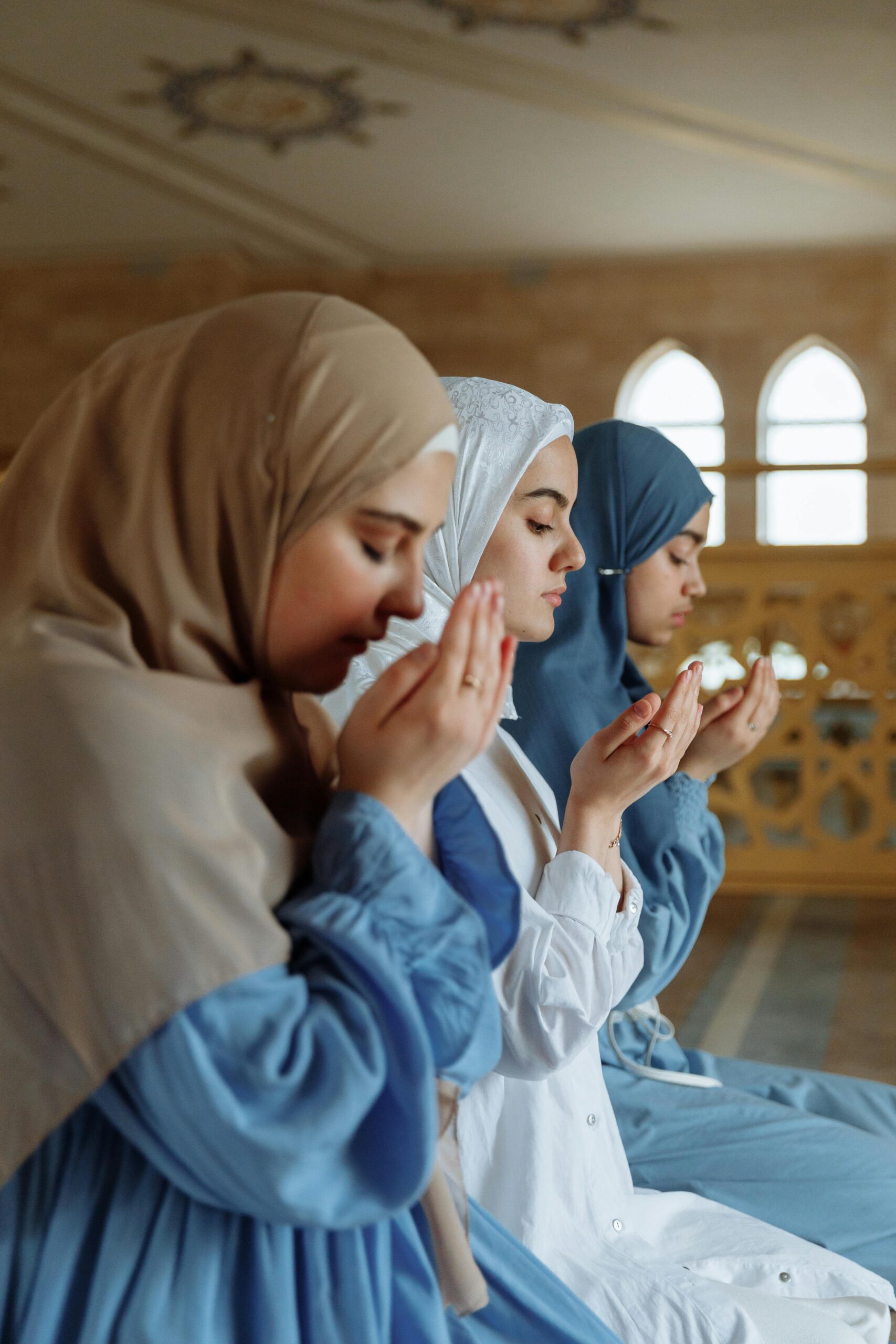
Mental health has become a growing topic of concern around the world, yet in many Muslim communities, emotional struggles are still misunderstood or quietly dismissed. For some, seeking help feels like a sign of weakness, while others fear judgment from family or society. However, a closer look at Islamic teachings reveals that emotional well-being is an essential part of a believer’s life. Islam encourages balance, compassion, and self-care, and it never shames someone for facing hardship. To destigmatize mental health, Muslims must reconnect with these teachings and create supportive environments where people feel safe to seek help.
Islam recognizes the complexity of the human experience. The Qur’an describes people as being created with both physical and emotional needs. It acknowledges sadness, fear, anxiety, grief, and hopelessness as natural parts of life. Prophets themselves experienced these emotions—Yaqub (Jacob) grieved deeply for his son, Musa (Moses) expressed fear when facing danger, and even the Prophet Muhammad (peace be upon him) endured periods of sorrow, such as the Year of Sadness after losing his wife Khadijah and his uncle Abu Talib. These examples show that emotional hardship is not a spiritual failure; it is part of being human.
One of the first steps in destigmatizing mental health is recognizing that seeking help is not a sign of weak faith. Islam teaches that believers should take practical steps to care for themselves. Just as a person with physical illness is encouraged to see a doctor, a person struggling emotionally should feel free to seek counseling, therapy, or support from trusted individuals. The Prophet (peace be upon him) encouraged people to use both spiritual practices and worldly solutions. This balanced approach helps remove the false idea that religious devotion alone is the only acceptable response to emotional suffering.
Community support plays a major role as well. Islam emphasizes kindness, empathy, and caring for those in distress. The Prophet described the Muslim community as a single body—when one part suffers, the entire body responds. Yet, instead of offering comfort, people sometimes respond to mental health issues with judgment. Destigmatization requires shifting attitudes: listening without criticism, offering compassion instead of quick religious advice, and understanding that every person’s journey is unique. This does not replace faith-based guidance; it simply adds humanity and understanding to the conversation.
Another barrier to addressing mental health is the belief that expressing emotions is a sign of weakness. In reality, Islam encourages expressing feelings in healthy ways. The Prophet Muhammad (peace be upon him) openly wept when someone he loved passed away, showing that crying is not a lack of strength but a natural expression of compassion. Emotional openness helps people process their experiences and prevents internal struggles from turning into long-term distress.
Supporting mental well-being also includes lifestyle habits encouraged in Islam. Practices such as prayer, mindfulness, community connection, and gratitude have been shown to reduce stress and promote inner peace. Prayer provides structure and reflection; dhikr calms the heart; charity builds purpose; and gratitude shifts the mind toward positivity. These spiritual practices complement, rather than replace, professional mental health care. Together, they create a holistic approach to emotional well-being.
Youth especially need safe spaces to talk about their feelings without fear of being dismissed. Creating open conversations in families, schools, and mosques can help young people feel heard and valued. This requires patience from adults and a willingness to learn about modern mental health challenges that children and teens face.
Destigmatizing mental health in Muslim communities begins with compassion, awareness, and a return to the true teachings of Islam. Mental well-being is not separate from spirituality—it is deeply connected to it. By acknowledging emotional struggles, encouraging help-seeking, and supporting one another with empathy, Muslims can build healthier, more resilient communities. Emotional wellness is not a luxury; it is a part of living a balanced and spiritually fulfilling life.
Leave A Comment