
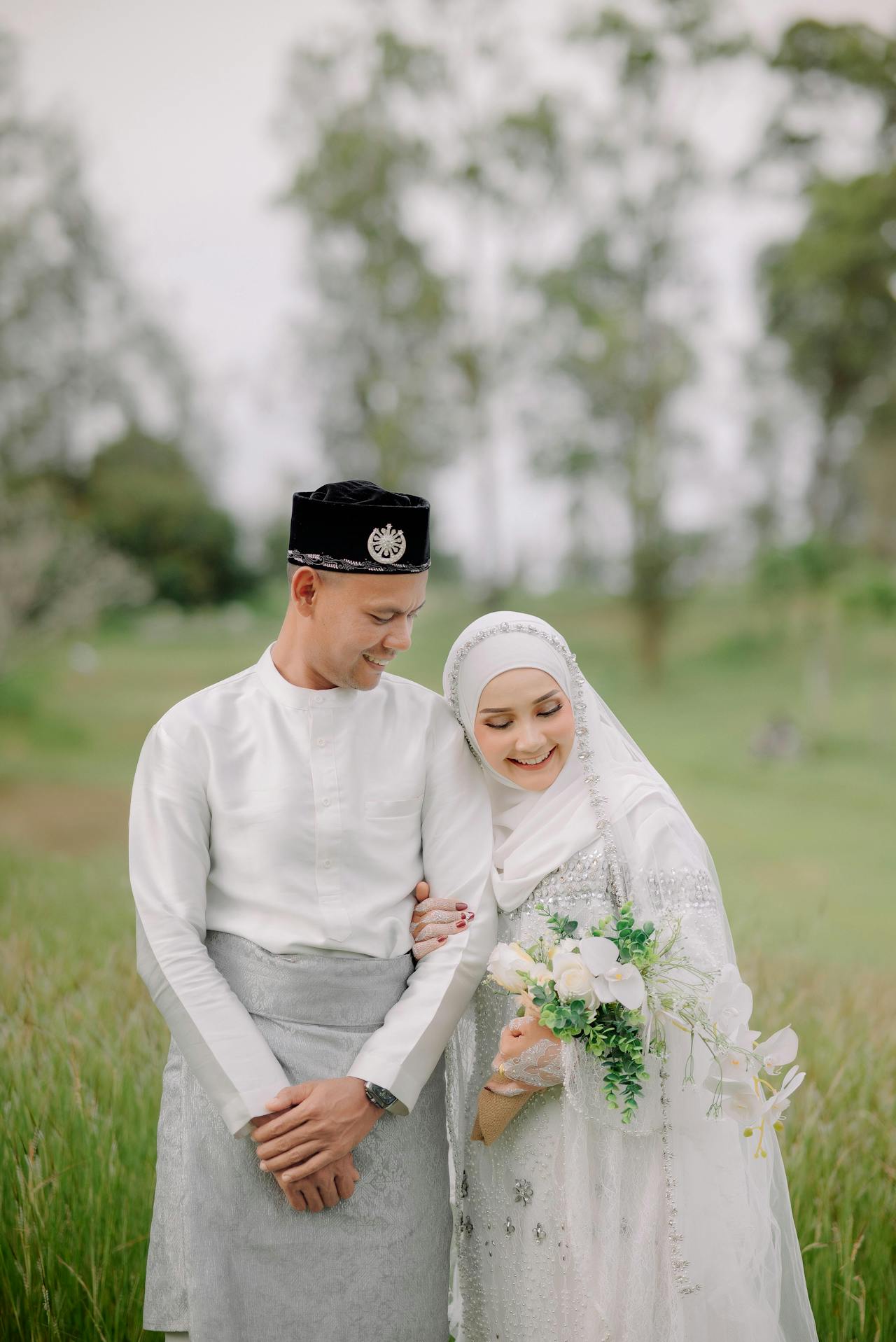
It is not merely a social contract but a sacred bond, rooted in mutual love, respect, and compassion. Unfortunately, due to cultural practices, misinformation, and stereotypes, many misconceptions about Islamic marriage persist, both among Muslims and non-Muslims. Understanding the true Islamic teachings helps separate myths from reality.
Misconception 1: Islam Promotes Forced Marriages
One of the most common misconceptions is that Islam allows or encourages forced marriages. In reality, Islam strictly prohibits forcing anyone—man or woman—into marriage. The Prophet Muhammad (peace be upon him) said, “A previously married woman cannot be married without her command, and a virgin cannot be married without her permission” (Sahih al-Bukhari). Consent is a crucial element in Islamic marriage, and any marriage without it is considered invalid.
However, in some cultures, especially in South Asia and parts of the Middle East, forced marriages still occur under the name of tradition. These are cultural practices, not religious teachings. Islam clearly distinguishes between cultural customs and divine commandments.
Misconception 2: Women Have No Rights in Marriage
Another false belief is that Islam grants husbands full control over their wives and gives women no rights. On the contrary, Islam was revolutionary in giving women rights and protections in marriage at a time when women were often treated as property.
A wife has the right to receive a mahr (a marriage gift), to be treated kindly, to maintain her own identity, and to live in a safe and respectful environment. She can also seek divorce (khula) if the marriage is no longer bearable. The Qur’an advises husbands to “live with them [wives] in kindness” (Qur’an 4:19), highlighting the importance of respect and compassion.
Misconception 3: Polygamy is Encouraged
Polygamy in Islam is often misunderstood. While Islam permits a man to marry up to four wives, it is not encouraged or required. This permission came at a time of war when many women were widowed, and it was meant to ensure social care and protection.
Even then, the Qur’an clearly states, “But if you fear that you will not be just, then [marry only] one” (Qur’an 4:3). The condition of justice is so strict that many scholars believe polygamy is discouraged unless absolute fairness can be guaranteed—something extremely difficult in practice. The Prophet Muhammad himself remained monogamous with his first wife, Khadijah, for 25 years until her death.
Misconception 4: Marriage is Only for Reproduction
Some believe that Islamic marriage exists solely for the purpose of having children. While procreation is one of the goals, it is not the only one. The Qur’an describes marriage as a source of emotional comfort and companionship: “And among His signs is that He created for you spouses from among yourselves so that you may find tranquility in them” (Qur’an 30:21). Love, peace, mutual support, and spiritual growth are equally important elements.
Reality: A Balanced and Respectful Partnership
At its core, Islamic marriage is built on the principles of love, mercy, and cooperation. Both spouses have rights and responsibilities. Men are protectors and maintainers, but this is not about control—it’s about responsibility and care. Women are equal partners in building a home and a life together.
Marriage in Islam is not about domination but about harmony. It is a journey of mutual growth, emotional support, and spiritual companionship. The Prophet Muhammad said, “The best of you are those who are best to their wives” (Tirmidhi), setting a clear standard for Muslim men.
Conclusion
The Islamic view of marriage is often clouded by cultural distortions and media stereotypes. In reality, it promotes fairness, mutual respect, and emotional well-being. By returning to authentic teachings of the Qur’an and Sunnah, we can see that marriage in Islam is not oppressive or outdated, but a timeless framework for a balanced and fulfilling relationship.
Leave A Comment