

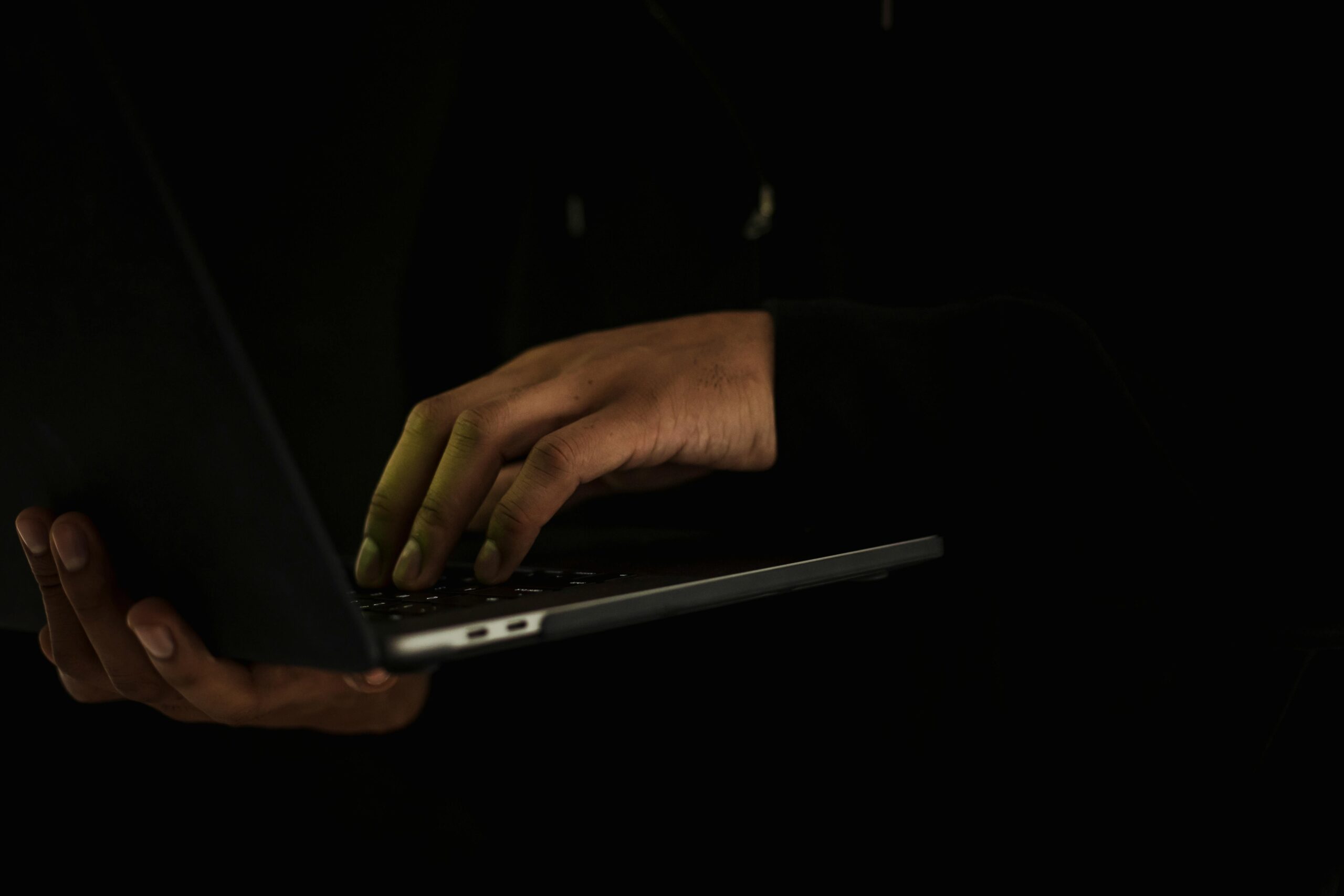
In today’s digital age, the internet has become an essential part of daily life. From social media and online banking to education and communication, people share vast amounts of personal information online. While technology offers convenience and connection, it also raises serious concerns about privacy. From an Islamic perspective, protecting privacy is not just a personal choice but a moral and religious responsibility rooted in the teachings of the Qur’an and Sunnah.
Islam places great emphasis on the dignity, honor, and privacy of individuals. The Qur’an clearly instructs believers to respect personal boundaries. Allah says: “O you who believe! Do not enter houses other than your own without first seeking permission and greeting their inhabitants” (Qur’an 24:27). Although this verse refers to physical spaces, its principle extends to the digital world. Just as entering someone’s home without permission is forbidden, accessing personal data, messages, or accounts without consent is equally unethical.
One of the major online privacy issues today is the sharing of personal information without awareness. Many people post private photos, locations, or thoughts on social media without realizing the long-term consequences. Islam encourages modesty (ḥayā’) and wisdom in all actions. Oversharing online can expose individuals to harm, exploitation, or humiliation, which contradicts the Islamic objective of protecting oneself from danger.
Another important concern is spying and surveillance. The Qur’an explicitly forbids spying: “And do not spy on one another” (Qur’an 49:12). In the digital age, spying can take many forms, such as hacking accounts, tracking someone’s activity, reading private messages, or secretly monitoring others online. Even if done out of curiosity or suspicion, such actions violate Islamic ethics. Trust and respect are essential values in Islam, and violating someone’s digital privacy breaks that trust.
Cyberbullying and misuse of personal data are also serious ethical issues. Islam strongly condemns harming others through words or actions. Online harassment, spreading rumors, leaking private information, or mocking others on social media are modern forms of ظلم (injustice). The Prophet ﷺ warned against causing harm, saying: “A Muslim is the one from whose tongue and hands others are safe.” This safety includes digital interactions, where words can travel faster and cause deeper damage.
Islam also assigns responsibility to organizations and authorities that handle personal data. Whether it is governments, companies, or website administrators, they are entrusted with sensitive information. Betraying this trust for profit or misuse goes against the Islamic principle of amanah (trust). Fulfilling trusts is a clear command in Islam, and negligence in data protection is a moral failure.
In conclusion, online privacy is not a modern concept separate from religion; it is deeply connected to Islamic values. Respecting privacy, avoiding spying, protecting personal data, and behaving ethically online are all part of a Muslim’s responsibility. As technology continues to evolve, Muslims must apply timeless Islamic principles to modern challenges, ensuring that their digital behavior reflects faith, integrity, and accountability before Allah.
Leave A Comment