

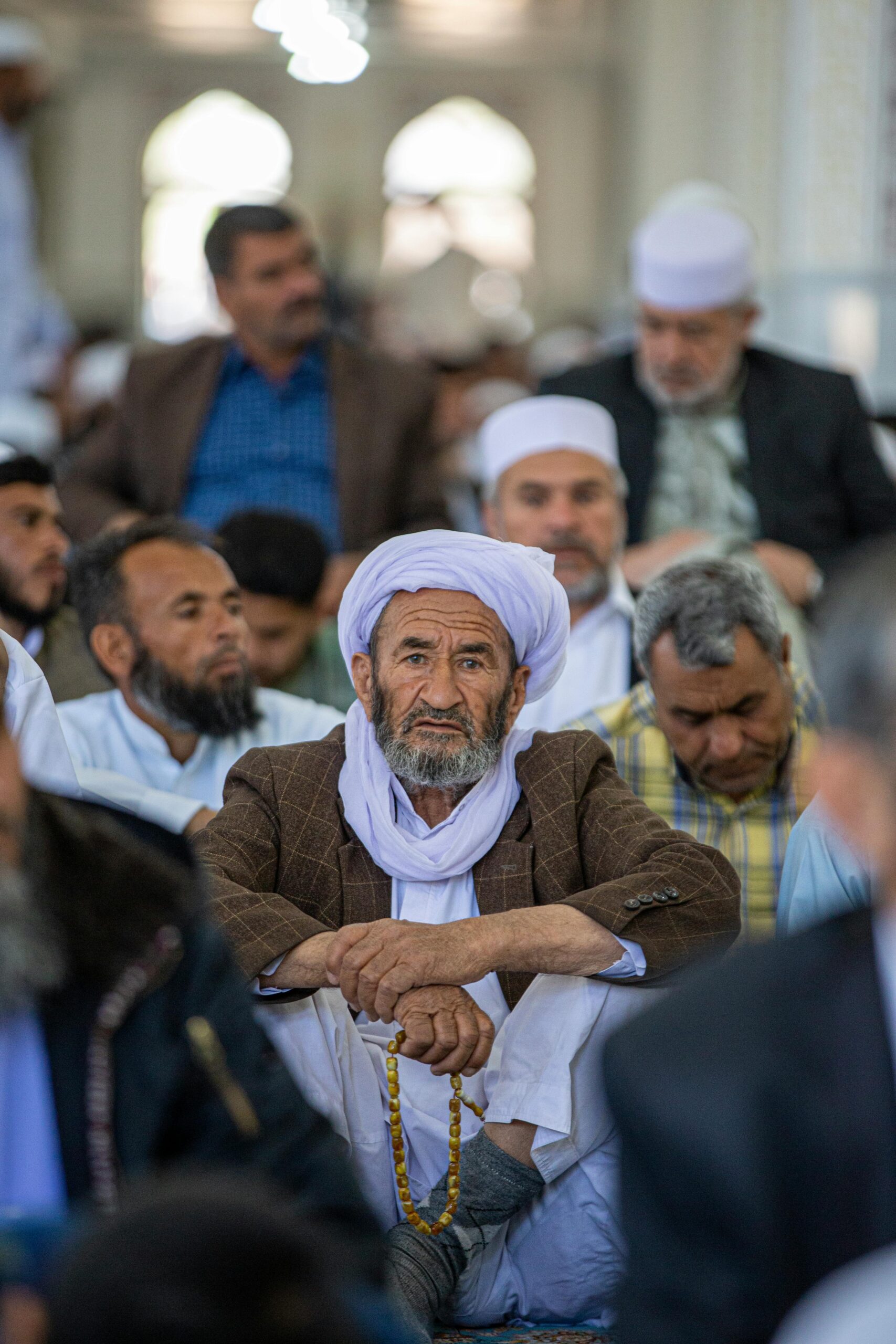
In every era, Muslim societies have drawn strength from a shared sense of brotherhood and sisterhood. This bond is not merely cultural or social; it is rooted in the teachings of the Qur’an and the Prophet Muhammad (peace be upon him). Today, however, many communities struggle with division, mistrust, and a loss of unity. Reviving the Islamic concept of brotherhood and sisterhood is therefore essential—not only for spiritual well-being, but also for creating healthier, more compassionate societies.
At its core, Islamic brotherhood and sisterhood is based on faith. The Qur’an teaches that believers are “brothers,” a reminder that faith creates a bond stronger than blood ties. This spiritual connection carries responsibilities: Muslims are encouraged to support one another, stand up against injustice, and offer help when someone is in need. These values serve as the foundation of a community built on empathy and cooperation.
One of the most profound teachings of the Prophet Muhammad (peace be upon him) is that a believer should love for others what they love for themselves. This is not a superficial call for kindness but a principle that shapes how Muslims interact with one another. If a person truly internalizes this teaching, they will naturally avoid harming others, whether through speech, actions, or even attitudes. They will also feel compelled to uplift those around them. When this spirit becomes widespread in a community, conflicts decrease, and unity grows.
Yet, despite these clear teachings, the modern world presents challenges that weaken these bonds. Social media, for example, can create divisions through misinformation, harsh debates, and comparison. Economic pressures and political differences may also cause Muslims to become isolated from one another. Furthermore, many people feel overwhelmed by personal concerns, leaving little space to consider the needs of others. Reviving the sense of Islamic brotherhood and sisterhood therefore requires conscious effort.
One practical step is strengthening community engagement. Mosques and Islamic centers should not function only as places of worship, but also as spaces where individuals support one another emotionally, socially, and materially. Organizing community dinners, study circles, volunteer projects, and youth activities can build trust and familiarity. These gatherings remind people that they are not alone and that they belong to a wider family of believers.
Another important aspect is cultivating good character. The Prophet Muhammad (peace be upon him) emphasized qualities such as patience, honesty, humility, and forgiveness. These traits directly affect the quality of relationships. A community filled with people who speak kindly, forgive easily, and respect differences will naturally be stronger. On the other hand, arrogance, backbiting, and hostility tear apart even the most established communities. Each individual must therefore take responsibility for their personal conduct, understanding that their behavior affects the unity of the whole.
Education also plays a key role. Teaching children and youth about the value of compassion, service, and unity helps build future generations who appreciate Islamic brotherhood and sisterhood. When young people learn to cooperate rather than compete destructively, they grow into adults who contribute positively to their communities. Parents, teachers, and community leaders share responsibility in nurturing these qualities.
Ultimately, reviving brotherhood and sisterhood in Islam is not about creating a perfect community; rather, it is about striving for continuous improvement. Each act of kindness, each moment of patience, and each attempt to resolve conflict peacefully strengthens the bonds among Muslims. By returning to the timeless teachings of Islam and implementing them in daily life, communities can rediscover the warmth, support, and unity that define true Islamic brotherhood and sisterhood.
Leave A Comment