

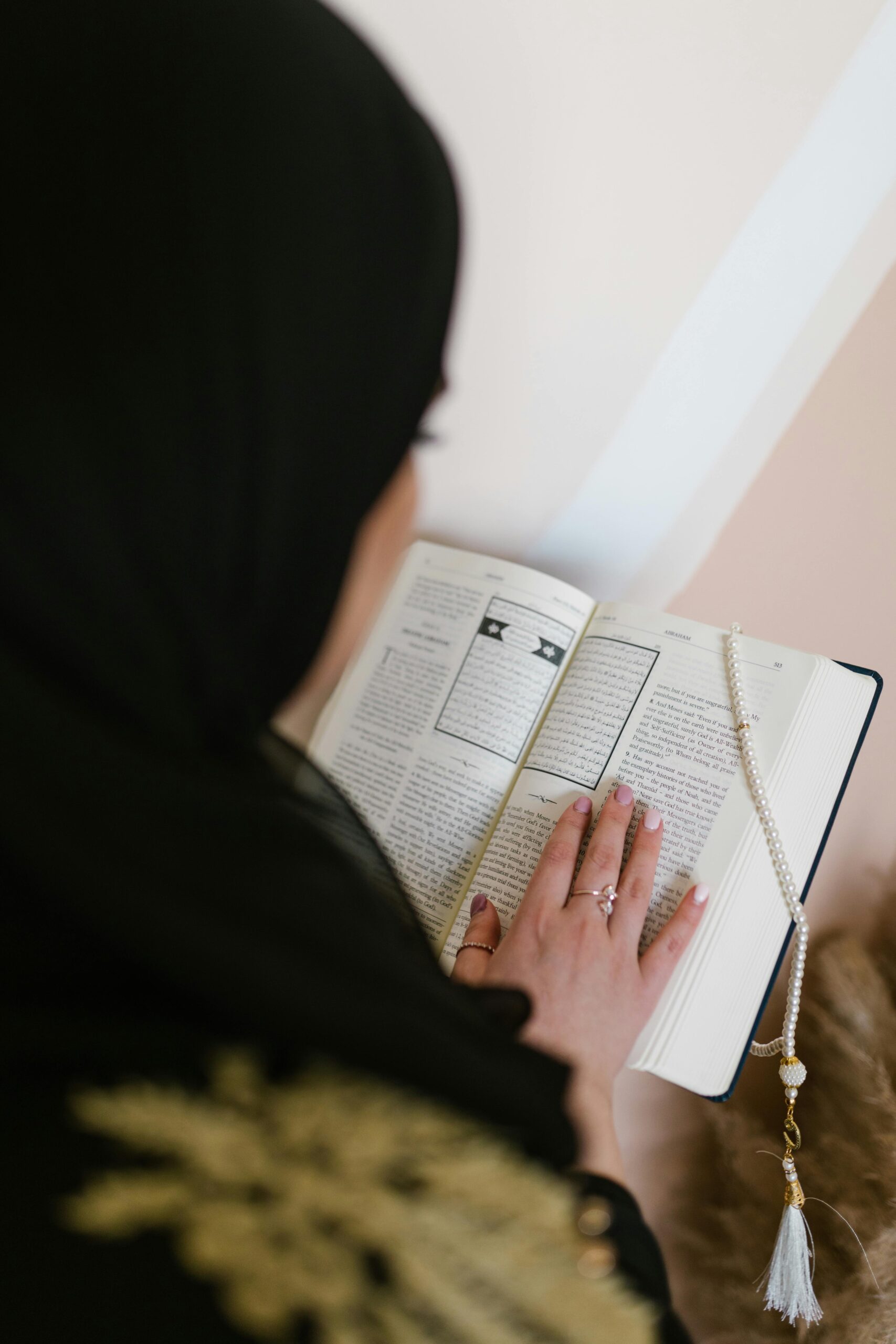
In a fast-paced and uncertain world, anxiety has become a common emotional struggle. Worries about the future, success, relationships, and personal worth often overwhelm the mind. Islam addresses these concerns through the concept of tawakkul, or complete trust in Allah. However, tawakkul is often misunderstood as passive acceptance or giving up effort. In reality, Islam teaches a balanced approach where trust in Allah works hand in hand with personal responsibility and action.
Tawakkul means relying on Allah with full conviction that He is the best planner and protector. The Qur’an repeatedly encourages believers to place their trust in Allah, reminding them that ultimate control belongs to Him alone. This trust brings inner peace because it shifts the burden of outcomes away from the individual. When a believer understands that Allah is aware of every detail of their life, anxiety rooted in fear of the unknown begins to lessen.
Anxiety, on the other hand, often arises from the illusion of control. People may feel that everything depends solely on their own efforts, leading to constant worry about failure or loss. Islam recognizes this emotional struggle and does not condemn it. Instead, it offers tawakkul as a remedy—not by eliminating effort, but by redefining responsibility. A Muslim is accountable for sincere effort, not guaranteed results.
One of the clearest Islamic teachings on this balance comes from the saying of the Prophet Muhammad ﷺ: “Tie your camel and trust in Allah.” This statement perfectly summarizes the relationship between effort and reliance. Tying the camel represents taking practical steps, planning, and using available means. Trusting Allah represents accepting that outcomes are ultimately beyond human control. True tawakkul exists only when both elements are present.
A common mistake is assuming that trusting Allah means avoiding planning or preparation. This misunderstanding can lead to negligence, which Islam strongly discourages. The Prophet ﷺ prepared carefully for journeys, battles, and daily responsibilities, even though his trust in Allah was unmatched. This shows that effort is not a sign of weak faith; rather, it is an expression of faith in action.
At the same time, Islam warns against excessive attachment to results. When effort turns into obsession, it can fuel anxiety and disappointment. Tawakkul teaches believers to work diligently while maintaining emotional detachment from outcomes. Success and failure are both tests, and each carries wisdom that may not be immediately visible. By accepting this perspective, a believer learns to cope with uncertainty more calmly.
Tawakkul also helps manage anxiety by grounding the heart in remembrance of Allah. Regular prayer, supplication, and reflection strengthen spiritual resilience. When a believer turns to Allah during moments of fear, they are reminded that they are not alone in their struggles. This spiritual connection does not remove challenges, but it provides strength to face them with patience and clarity.
Importantly, tawakkul does not deny emotional pain. Feeling anxious does not mean a person lacks faith. Even the Prophets experienced fear and distress during difficult moments. What distinguishes tawakkul is the response to these emotions—choosing to seek Allah’s help while continuing to move forward responsibly.
In conclusion, Islam offers a powerful framework for addressing anxiety through tawakkul. Trusting Allah does not mean abandoning effort, nor does effort mean carrying the burden alone. True tawakkul lies in striving sincerely, using available means, and then placing full confidence in Allah’s wisdom. By embracing this balance, believers can navigate life’s uncertainties with courage, purpose, and inner peace.
Leave A Comment