

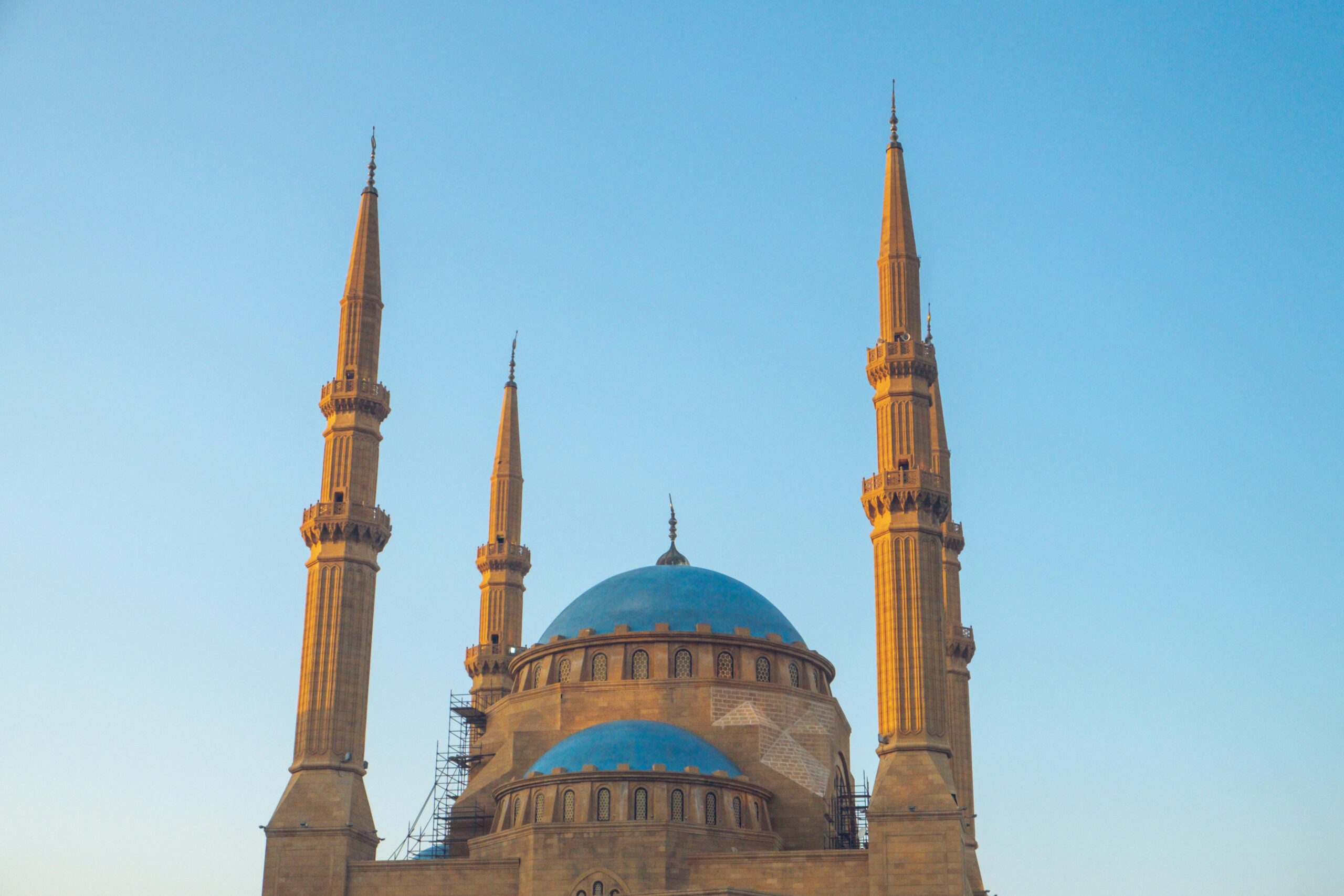
Islam is a complete way of life that guides a person in faith, worship, and daily actions. At the heart of this faith are the Five Pillars of Islam. These pillars form the foundation upon which a Muslim builds their relationship with Allah and shapes their character. Each pillar carries deep meaning and purpose, helping believers stay connected to their Creator and to society.
1. Shahada (Faith)
The first pillar is the declaration of faith, known as Shahada. It is the simple yet powerful statement: “There is no god but Allah, and Muhammad (peace be upon him) is His messenger.” By sincerely believing and declaring this, a person enters Islam. Shahada is not just words; it reflects a commitment to live according to Allah’s guidance and to follow the teachings of the Prophet Muhammad (peace be upon him). It reminds Muslims that Allah is One and that their purpose in life is to worship Him alone.
2. Salah (Prayer)
The second pillar is Salah, the five daily prayers performed at specific times throughout the day. These prayers are offered at dawn, midday, afternoon, sunset, and night. Salah creates a direct link between a person and Allah, providing moments of peace, reflection, and discipline. It also teaches punctuality and humility, as Muslims stand side by side in prayer regardless of their social status. Regular prayer helps believers stay mindful of their duties and keeps them away from wrongdoing.
3. Zakat (Charity)
Zakat is the third pillar and focuses on helping those in need. It is an обязатель charitable contribution that Muslims must give if they meet certain financial conditions. Usually, it is a small percentage of one’s savings given each year. Zakat purifies wealth by removing greed and encourages generosity. It also helps reduce inequality in society by supporting the poor, the needy, and other deserving groups. Through Zakat, Islam promotes compassion and social responsibility.
4. Sawm (Fasting)
The fourth pillar is Sawm, or fasting during the month of Ramadan. However, fasting is not only about staying hungry; it is also about self-control, patience, and spiritual growth. During Ramadan, Muslims try to increase good deeds, avoid negative behavior, and strengthen their connection with Allah. Fasting allows believers to feel the struggles of those who are less fortunate and encourages empathy and gratitude.
5. Hajj (Pilgrimage)
The fifth pillar is Hajj, the pilgrimage to Makkah, which every Muslim must perform at least once in their lifetime if they are physically and financially able. Hajj takes place during specific days of the Islamic month of Dhul-Hijjah. Millions of Muslims from around the world gather in unity, wearing simple clothing and performing the same rituals. This experience highlights equality, brotherhood, and devotion to Allah. It is a powerful reminder that all people are equal before their Creator.
Conclusion
The Five Pillars of Islam are not just acts of worship; they are a complete system that shapes a Muslim’s life. They strengthen faith, build discipline, encourage generosity, and create a sense of unity among believers. By practicing these pillars with sincerity, Muslims aim to live a balanced life that pleases Allah and benefits humanity.
Leave A Comment