
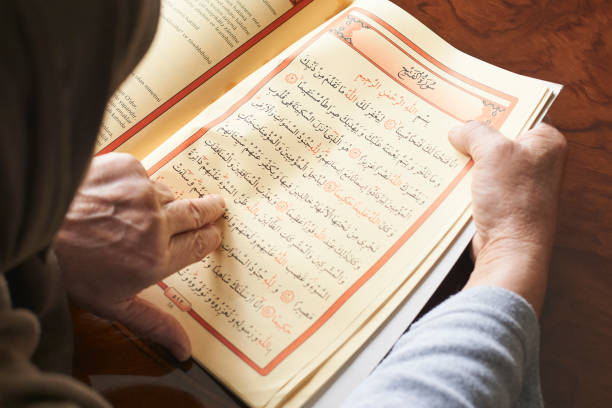
The Quran is the holy book of Islam, believed by Muslims to be the final revelation from Allah (God) to humanity. Revealed over 23 years to the Prophet Muhammad (peace be upon him), the Quran is more than just a religious scripture—it is a complete way of life. Its teachings continue to guide over a billion people worldwide in matters of faith, morality, social justice, and personal development.
In this article, we explore the Quran’s origins, structure, key themes, and why it remains relevant in the modern world.
Origin and Revelation
The Quran was revealed in Arabic to Prophet Muhammad (PBUH) through the Angel Jibreel (Gabriel). It began in the year 610 CE, during the month of Ramadan, with the first verses of Surah Al-Alaq:
“Read in the name of your Lord who created…” (Quran 96:1)
The revelations continued throughout the Prophet’s life, addressing various issues, offering guidance, and responding to the needs of the growing Muslim community. After the Prophet’s death, the Quran was compiled into a single book form under the leadership of the Caliph Abu Bakr and later standardized by Caliph Uthman ibn Affan.
Structure of the Quran
The Quran is composed of:
- 114 chapters (Surahs)
- Over 6,000 verses (Ayahs)
- Divided into 30 sections (Juz’) for ease of recitation and memorization
The chapters vary in length and cover a wide range of topics including theology, law, ethics, stories of past prophets, and guidance for personal and communal life.
Key Themes in the Quran
1. Monotheism (Tawheed)
At its core, the Quran calls humanity to worship one God—Allah—without partners. This belief in the oneness of God is the foundation of Islamic faith.
Prophethood
The Quran recounts the stories of many prophets, such as Adam, Noah, Abraham, Moses, Jesus, and Muhammad (peace be upon them all). These stories offer moral and spiritual lessons for every generation.
Social Justice
The Quran emphasizes fairness, compassion, and the rights of the poor, orphans, and women. It strongly condemns oppression, dishonesty, and injustice.
Afterlife and Accountability
One of the Quran’s central messages is the reality of the afterlife. It reminds believers that this life is temporary, and everyone will be accountable for their actions on the Day of Judgment.
Personal Conduct and Ethics
From honesty and humility to patience and forgiveness, the Quran encourages high moral character in all areas of life.
🌍 Relevance of the Quran Today
Even in today’s fast-changing world, the Quran’s message remains timeless. Its teachings promote:
- Peace and tolerance among communities
- Respect for human life and dignity
- Environmental stewardship
- Balance between spiritual and worldly responsibilities
Muslims believe that the Quran provides answers to modern challenges by connecting the individual with divine wisdom.
Learning and Understanding the Quran
For those seeking a deeper connection with the Quran:
- Read with translation and tafsir (interpretation) to understand the context
- Reflect on how the verses apply to your daily life
- Listen to recitations and engage with scholars or study groups
The Quran invites all readers—Muslim or not—to ponder its verses:
“Will they not then reflect on the Quran?” (Quran 47:24)
Conclusion
The Quran is more than a book—it is a living guide that shapes the lives, values, and hearts of those who embrace its teachings. Whether you are seeking spiritual insight, ethical guidance, or inspiration, the Quran offers a message of truth, mercy, and purpose that transcends time and place.
Leave A Comment