
The Role of Mothers in Preserving Islamic Identity
The preservation of Islamic identity begins in the heart of the home, and at the center of that home stands the mother. Throughout Islamic history, mothers have carried the responsibility of nurturing a generation that is not only knowledgeable about their faith but also able to live it with sincerity and confidence. Their influence shapes how children understand themselves, their values, and their relationship with Allah. Although social structures and cultures differ, the mother’s role remains a constant pillar in the continuity of Islamic identity.
One of the most significant ways a mother preserves Islamic identity is through early spiritual nurturing. A child’s first lessons about Allah, kindness, honesty, and gratitude are often heard from the mother. Whether she whispers the shahādah to her newborn, teaches simple du‘ā, or encourages the habit of saying “Bismillah” before meals, she plants the seeds of faith long before formal education begins. These early practices become part of the child’s character, shaping their sense of belonging to the Muslim ummah.
Mothers also preserve Islamic identity by embodying the values they hope to instill. Children naturally imitate what they see, often more than what they are told. When a mother shows patience, fulfills her prayers on time, treats others with respect, and handles challenges with trust in Allah, her children witness Islam in action. Her behavior becomes a living example of the teachings of the Qur’an and the Prophet Muhammad ﷺ. This quiet, consistent modeling is one of the most powerful forms of education, as it helps children understand that Islam is not only a religion but a way of life.
Another important role mothers play is in nurturing emotional and moral resilience. In a world where cultural pressures, social media, and peer influence can blur one’s sense of identity, children need a strong foundation at home. A mother who listens, advises, and supports her children helps them feel secure in who they are. She teaches them that modesty is strength, kindness is courage, and worship is nourishment for the soul. By guiding them to reflect on their choices and strengthening their moral compass, she equips them to face the world without losing themselves.
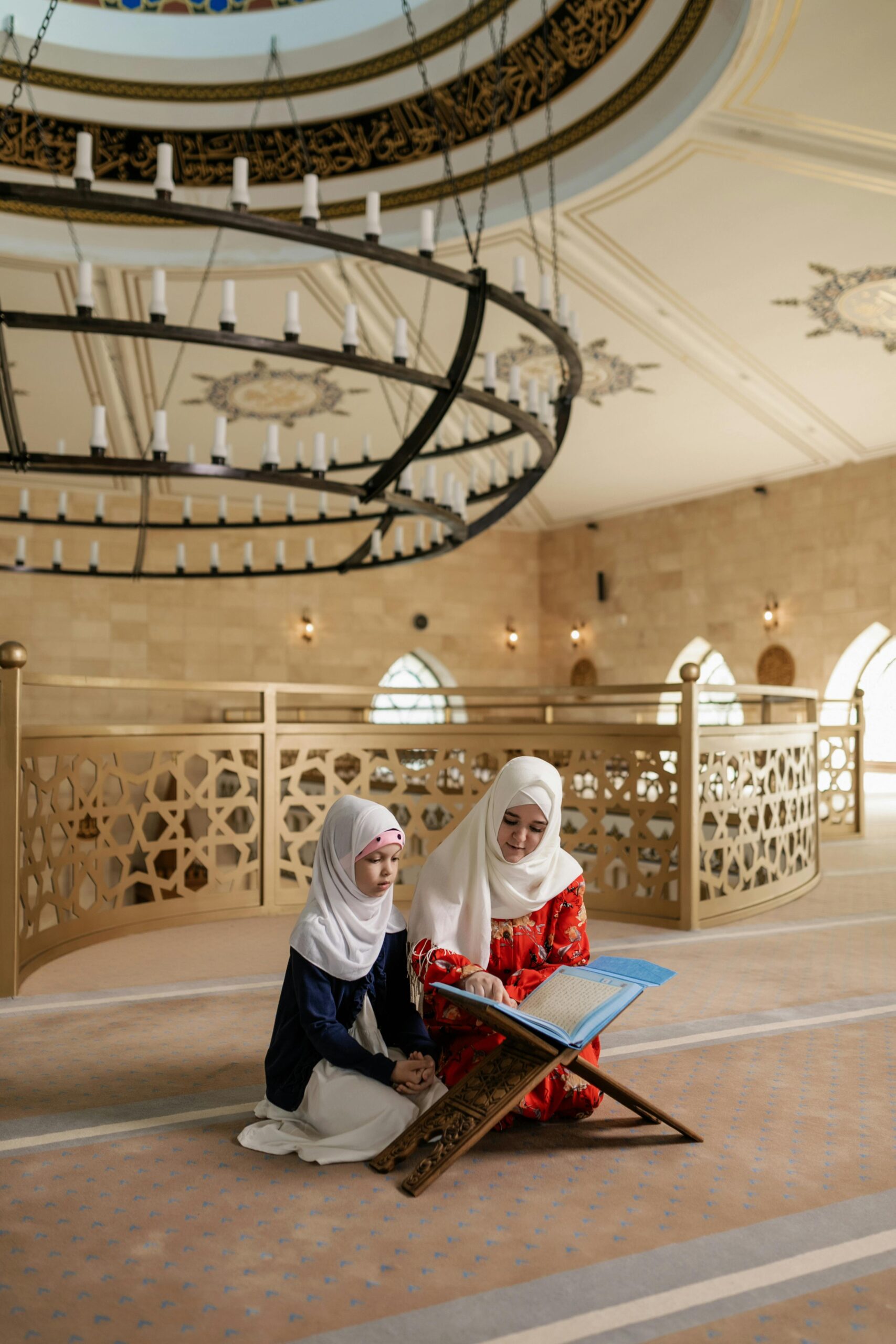
Education is another area where the mother’s role is essential. Throughout Islamic civilization, mothers have been the first teachers, ensuring that their children learn Qur’an, understand Islamic manners, and appreciate their heritage. Even if a child attends school or receives lessons from others, the mother remains the one who monitors, reinforces, and encourages consistent learning. When she sits with her child to review Qur’an, reads stories of the prophets, or explains the meaning of a hadith, she creates an environment where Islamic knowledge becomes accessible and meaningful.
Furthermore, mothers help preserve Islamic identity by building a sense of pride and connection to the Muslim community. Celebrating Ramadan, Eid, and Islamic traditions at home gives children a joyful connection to their faith. Teaching them about Muslim scholars, leaders, and historical achievements helps them appreciate the richness of their heritage. This sense of identity becomes a protective shield, enabling children to navigate diverse environments without feeling inferior or disconnected from their roots.
In essence, the mother’s influence is both gentle and profound. She does not merely teach; she shapes. She does not only nurture the mind; she nurtures the heart. Through her faith, her words, and her daily actions, she becomes the bridge that carries Islamic identity from one generation to the next. In honoring and supporting mothers, we strengthen the entire fabric of the Muslim community and ensure that Islamic values continue to shine through future generations.
Leave A Comment