
Eid ul Adha, also known as the “Festival of Sacrifice,” is one of the most significant religious celebrations in Islam. Muslims around the world observe this festival with great devotion, happiness, and gratitude. It is celebrated every year during the Islamic month of Dhul Hijjah, after the completion of Hajj, the annual pilgrimage to Mecca. Eid ul Adha reminds Muslims of faith, obedience, sacrifice, and compassion for others.
The festival has its roots in the story of Prophet Ibrahim (A.S.). According to Islamic belief, Allah tested Prophet Ibrahim’s faith by commanding him to sacrifice his beloved son, Prophet Ismail (A.S.). Ibrahim (A.S.) was willing to obey Allah’s command without hesitation because of his strong faith and devotion. This event showed that true faith means complete trust in Allah. Muslims remember this sacrifice every year through the celebration of Eid ul Adha.
The day of Eid begins with special prayers offered in mosques and open grounds. Muslims wake up early, wear clean or new clothes, and gather with family and friends to celebrate the occasion. After the Eid prayer, people greet one another warmly and exchange good wishes.
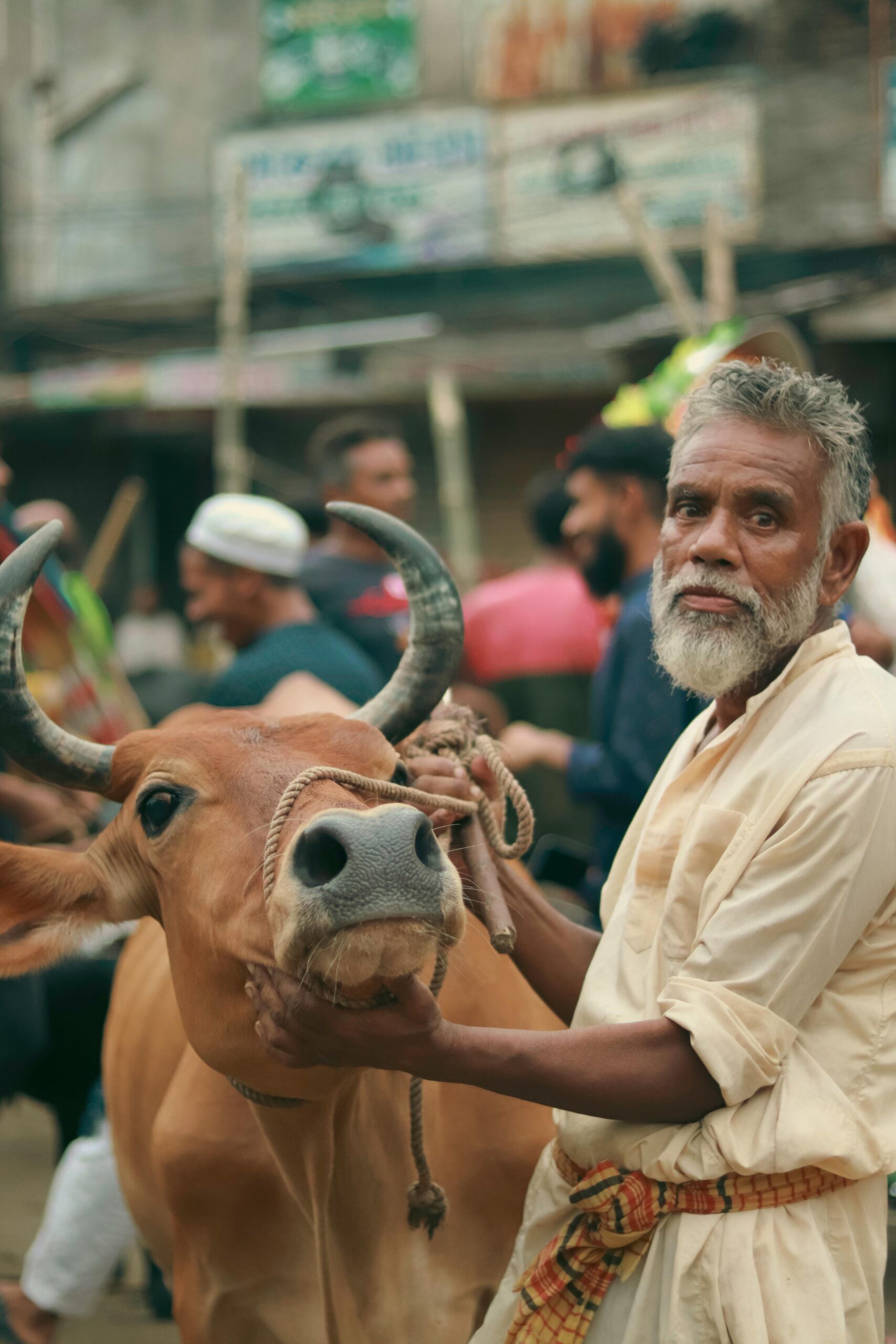
One of the most important traditions of Eid ul Adha is Qurbani, the sacrifice of an animal such as a goat, sheep, cow, or camel. This act symbolizes Prophet Ibrahim’s obedience and willingness to sacrifice for Allah. The meat from the sacrificed animal is divided into three parts: one portion for the family, one for relatives and friends, and one for the poor and needy. This practice teaches Muslims the importance of sharing and caring for less fortunate members of society.
Eid ul Adha also strengthens family and community relationships. Relatives visit each other, meals are shared, and children often receive gifts and money. Delicious traditional foods are prepared, bringing families together around the dining table. The festival creates a sense of happiness and togetherness among people of all ages.
Beyond the celebrations, Eid ul Adha carries a deeper spiritual message. It teaches Muslims the values of sacrifice, patience, kindness, and obedience to Allah. The festival encourages believers to reflect on their actions and become more generous and compassionate. It also reminds people that material possessions are less important than faith, honesty, and good character.
Another important lesson of Eid ul Adha is equality. During the festival, rich and poor alike take part in prayers and celebrations. By sharing meat with the needy, Muslims ensure that everyone can enjoy the happiness of Eid. This promotes social harmony and strengthens the spirit of brotherhood in society.
In many countries, Eid ul Adha is celebrated as a public holiday. Streets and homes are decorated, and markets become lively with people preparing for the occasion. Despite differences in language, culture, and traditions, Muslims around the world celebrate the festival with the same spirit of devotion and unity.
In conclusion, Eid ul Adha is much more than a religious celebration. Through prayers, charity, and acts of kindness, Muslims honor the example of Prophet Ibrahim (A.S.) and strengthen their connection with Allah and with one another. The festival continues to inspire millions of people to practice compassion, gratitude, and selflessness in their daily lives.
Leave A Comment