

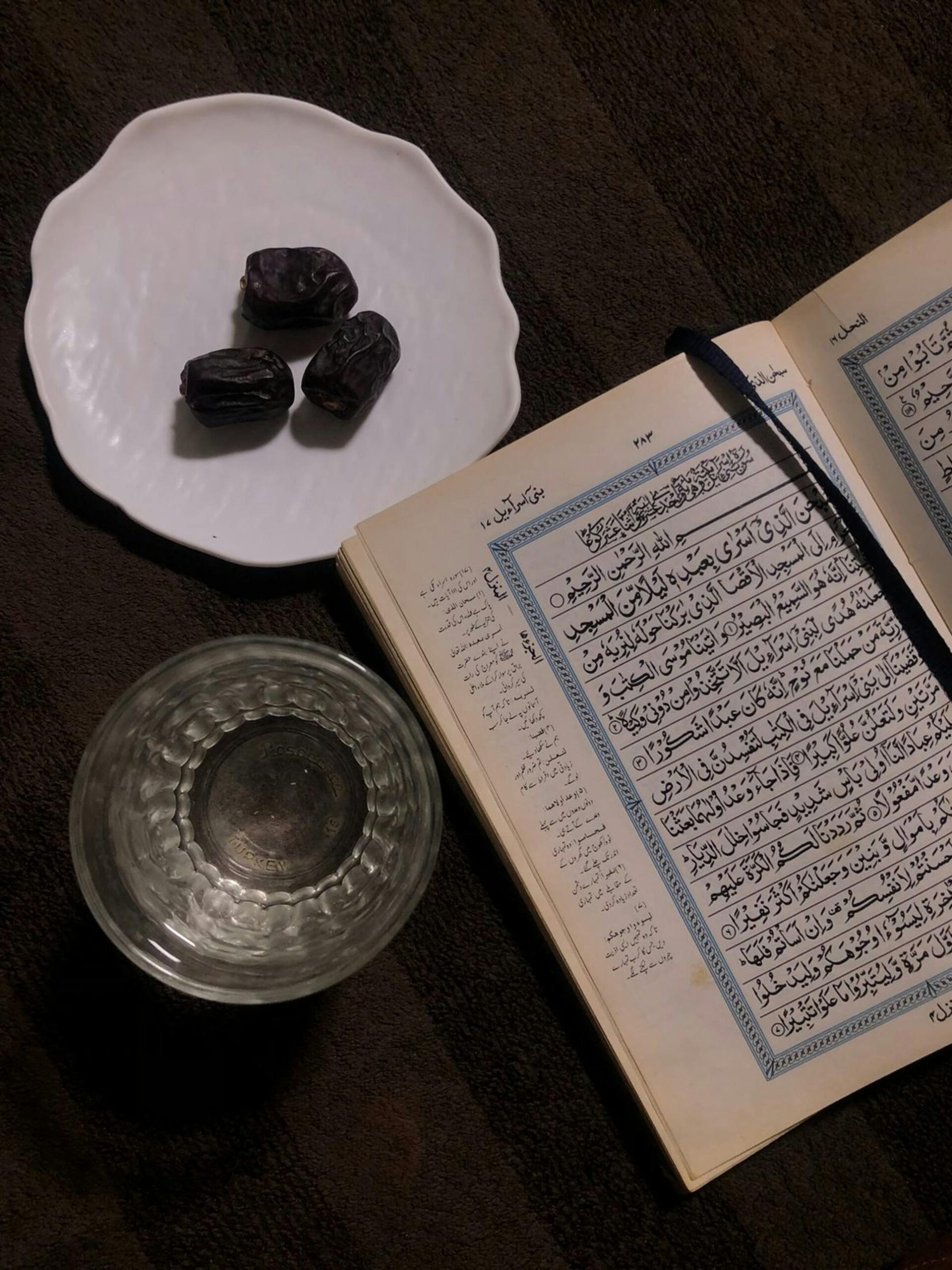
The Five Pillars of Islam
Islam is built upon five fundamental acts of worship that shape the faith and daily life of every مسلمان (Muslim). These acts are known as the Five Pillars of Islam. They provide a strong spiritual framework and guide believers in their relationship with Allah and with society. Each pillar carries deep meaning and helps develop discipline, humility, and a sense of responsibility.
The first pillar is Shahada (Faith). By sincerely accepting this testimony, a person enters Islam. It is not just a phrase to recite but a belief to live by, influencing thoughts, actions, and intentions.
The second pillar is Salah (Prayer). Muslims are required to pray five times a day at specific times: Fajr, Dhuhr, Asr, Maghrib, and Isha. These prayers create a direct connection between the believer and Allah. Salah teaches discipline, punctuality, and mindfulness. It also reminds Muslims to pause from their daily activities and remember their Creator. Praying in congregation, especially in mosques, strengthens unity and brotherhood among Muslims.
The third pillar is Zakat (Charity). Islam emphasizes caring for the less fortunate, and Zakat is a compulsory form of charity. Muslims who meet certain financial conditions must give a fixed portion of their wealth (usually 2.5%) to those in need. This act purifies wealth and reduces inequality in society. It encourages generosity and helps build a system where everyone’s basic needs are considered important.
The fourth pillar is (Fasting). During the month of Ramadan, Muslims fast from dawn to sunset, abstaining from food, drink, and other physical needs. Fasting is not only about physical restraint but also about spiritual growth. It teaches self-control, patience, and empathy for those who suffer from hunger. Ramadan is also a time for increased عبادت (worship), reflection, and seeking forgiveness.
The fifth pillar is Hajj (Pilgrimage to Makkah). Every Muslim who is physically and financially able must perform Hajj at least once in their lifetime. This pilgrimage takes place annually in Makkah and brings together millions of Muslims from all over the worl. Regardless of race, nationality, or status, all pilgrims wear simple clothing and perform the same rituals, showing that everyone is equal before Allah.
In conclusion, the Five Pillars of Islam are not just rituals but a complete way of life. They guide مسلمانوں towards spiritual growth, moral behavior, and social responsibility. By practicing these pillars sincerely, a Muslim strengthens their faith and contributes positively to society.
Leave A Comment