

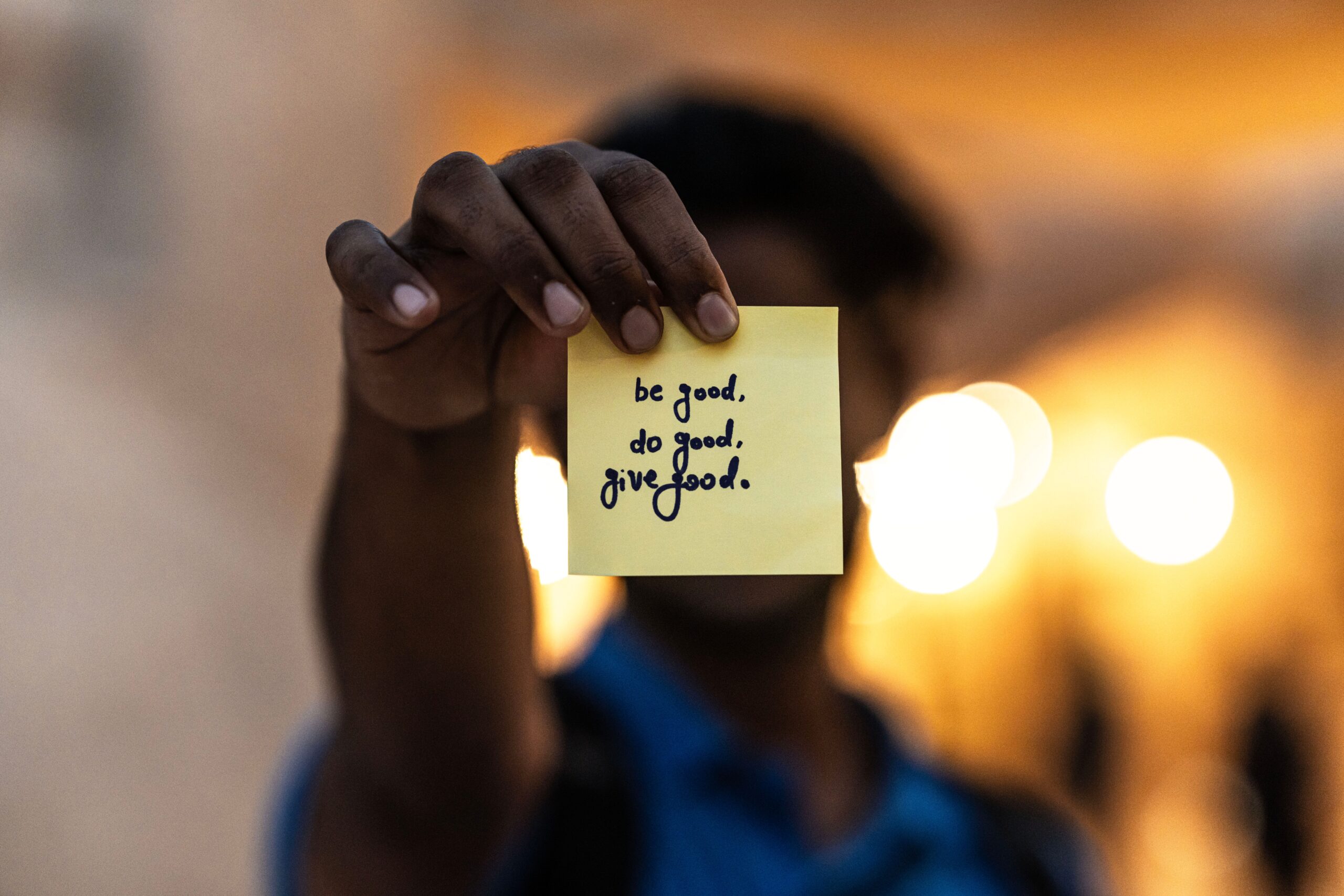
Good behaviour is one of the most important qualities taught by Islam. A Muslim’s faith is not only demonstrated through prayer and worship but also through the way they treat other people. Islam encourages kindness, honesty, patience, respect, forgiveness, and compassion. Good character, known as Akhlaq, helps create peaceful relationships and strengthens families and communities.
Prophet Muhammad (PBUH) was the best example of good character. He treated people with kindness and respect, including those who disagreed with him. He was known for his honesty, patience, generosity, and mercy. His life teaches Muslims that good behaviour should not depend on whether someone is rich or poor, powerful or weak, a friend or a stranger. Everyone deserves to be treated with dignity.
One important part of good behaviour is speaking kindly. Words have a powerful effect on people’s feelings. A kind word can make someone happy, while an insult can cause deep emotional pain. Islam teaches Muslims to avoid abusive language, mocking, gossip, and unnecessary arguments. Before speaking, a person should consider whether their words are truthful, useful, and respectful. Sometimes remaining silent is better than saying something that may hurt another person.
Respect is another essential part of good character. Muslims should respect their parents, teachers, elders, neighbours, friends, and colleagues. Respect includes listening when someone is speaking, considering other people’s feelings, and avoiding rude or arrogant behaviour. It also means respecting people who have different opinions, cultures, or backgrounds. A respectful person does not believe that they are better than others because of wealth, education, appearance, or social position.
Islam also encourages helping others. A Muslim should try to be useful to family members, neighbours, friends, and people in need. Helping an elderly person, supporting someone facing difficulties, sharing food, giving useful advice, or simply offering emotional support are all examples of good behaviour. Small acts of kindness can have a major impact on another person’s life.
Patience and forgiveness are equally important. Conflicts and misunderstandings are a natural part of human relationships. When someone makes a mistake, responding with anger can make the situation worse. Islam encourages believers to control their anger and forgive when possible. Forgiveness does not mean accepting injustice, but it can prevent unnecessary hatred and help relationships heal.
Good behaviour also includes honesty and trustworthiness. Muslims are expected to keep promises, return things that belong to others, and speak truthfully. A trustworthy person becomes respected because others feel safe relying on them. Honesty is important not only in major matters but also in everyday situations, such as schoolwork, business, friendships, and family relationships.
Another important quality is avoiding jealousy and arrogance. Muslims should be happy when others receive blessings and should avoid looking down on people. Humility helps a person recognize that every blessing comes from Allah. Instead of competing with others out of jealousy, a believer should encourage them and be grateful for their own blessings.
Good behaviour should also be practiced online. Social media and messaging platforms provide many opportunities for communication, but Muslims should avoid insulting others, spreading rumors, sharing private information, or participating in cyberbullying. Islamic manners apply both in the real world and in the digital world.
In conclusion, good behaviour is an essential part of Islamic life. Kind speech, respect, honesty, patience, forgiveness, humility, and helping others are qualities that make a person a better Muslim and a better member of society. Following the example of Prophet Muhammad (PBUH), Muslims should strive to treat everyone with kindness and dignity. Good character not only improves relationships but also brings peace to the heart and strengthens the bonds of the whole community.
Leave A Comment