

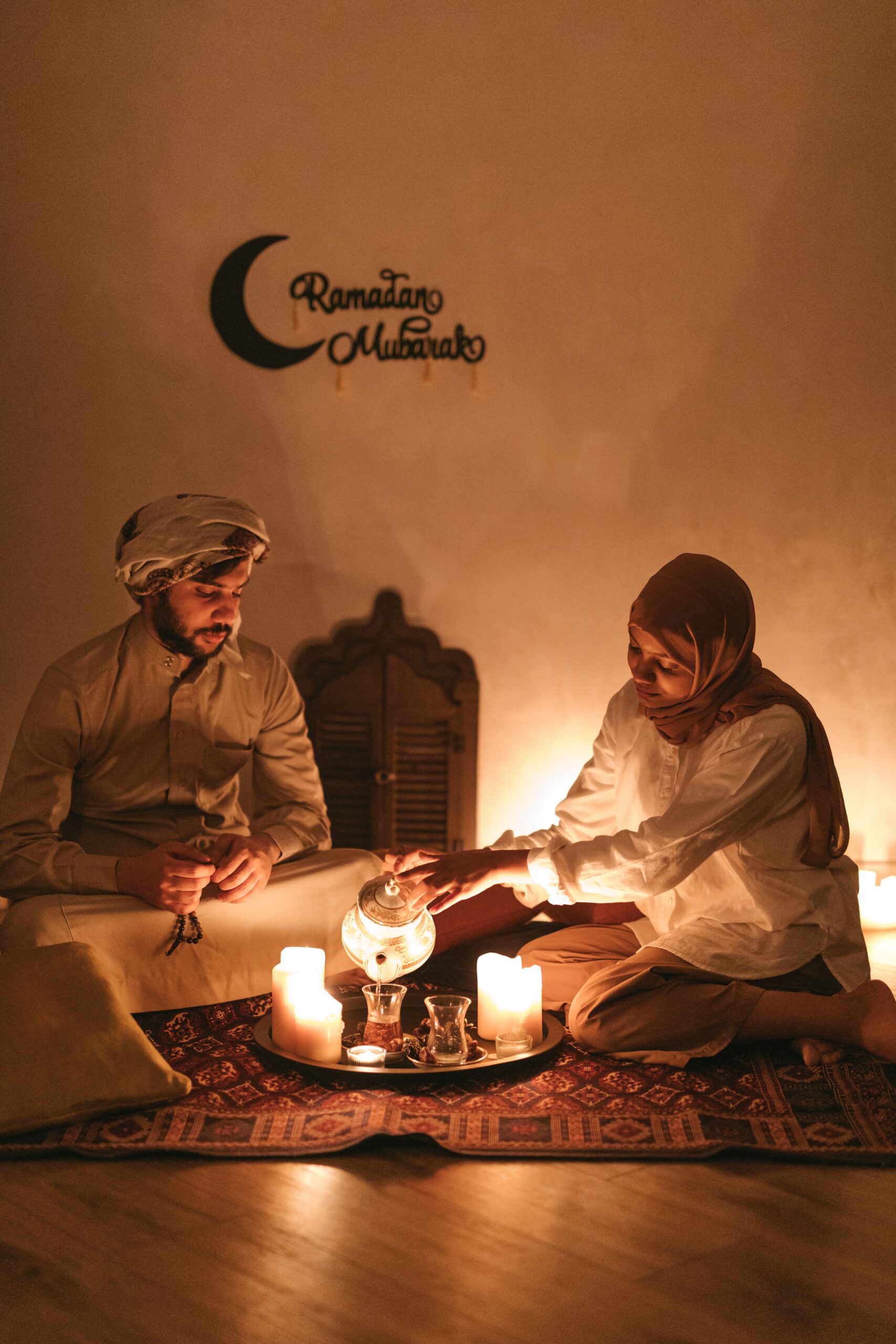
It is a time of fasting, prayer, reflection, charity, and spiritual growth. For Muslims around the world, Ramadan is more than simply staying away from food and drink during the day. It is an opportunity to improve our character, strengthen our relationship with Allah, and develop habits that can benefit us throughout the year.
One of the most important ways Ramadan transforms our lives is by strengthening our faith. During this month, Muslims make greater efforts to perform Salah, recite the Quran, remember Allah, and make sincere supplications. These acts of worship help believers focus on their spiritual responsibilities and reflect on the purpose of life. Ramadan encourages us to bring Allah’s remembrance into our daily routines.
Fasting also teaches us self-control and patience. From dawn until sunset, Muslims avoid eating, drinking, and other things that break the fast. This requires discipline and helps us practice controlling our desires. Fasting also reminds us to avoid lying, arguing, gossiping, and harmful behavior. Through these lessons, Ramadan encourages us to become more patient and thoughtful in our words and actions.
Another beautiful lesson of Ramadan is gratitude. When we experience hunger and thirst, we become more aware of the blessings we often take for granted. Clean water, nutritious food, good health, and the comfort of our homes are gifts from Allah. Ramadan teaches us to appreciate these blessings and use them responsibly. It encourages us to be thankful not only through words but also through our actions.
Ramadan also develops compassion for people in need. Experiencing hunger can remind us of those who struggle to find enough food every day. Muslims are encouraged to give charity, provide meals, support poor families, and help people facing difficulties. Acts of generosity strengthen communities and remind us that caring for others is an important part of faith.
The month of Ramadan can also improve our daily habits. Many Muslims try to organize their time around fasting, prayers, Quran recitation, and family responsibilities. This can encourage better time management and greater awareness of how we use our days. Avoiding unnecessary activities and focusing on meaningful goals can help us develop a more balanced routine.
Family and community relationships can become stronger during Ramadan. Families often gather for iftar, pray together, and share meals with relatives and neighbors. Mosques become places of worship, learning, and connection. These shared experiences can create feelings of unity and belonging. Ramadan reminds us of the importance of maintaining family ties, respecting others, and supporting our communities.
Most importantly, Ramadan teaches us that positive change should continue after the month ends. The patience, generosity, discipline, and devotion we practice during Ramadan should not disappear with Eid. We can continue praying regularly, reading the Quran, helping others, controlling our anger, and speaking kindly throughout the year. The true benefit of Ramadan is reflected in how we live after it.
In conclusion, Ramadan transforms our lives by strengthening faith, teaching self-control, increasing gratitude, encouraging generosity, and bringing people closer together. It gives us an opportunity to reflect on our weaknesses and work toward becoming better Muslims and better human beings. By carrying its lessons into everyday life, we can make Ramadan a lasting source of spiritual growth, kindness, and positive change.
Leave A Comment