
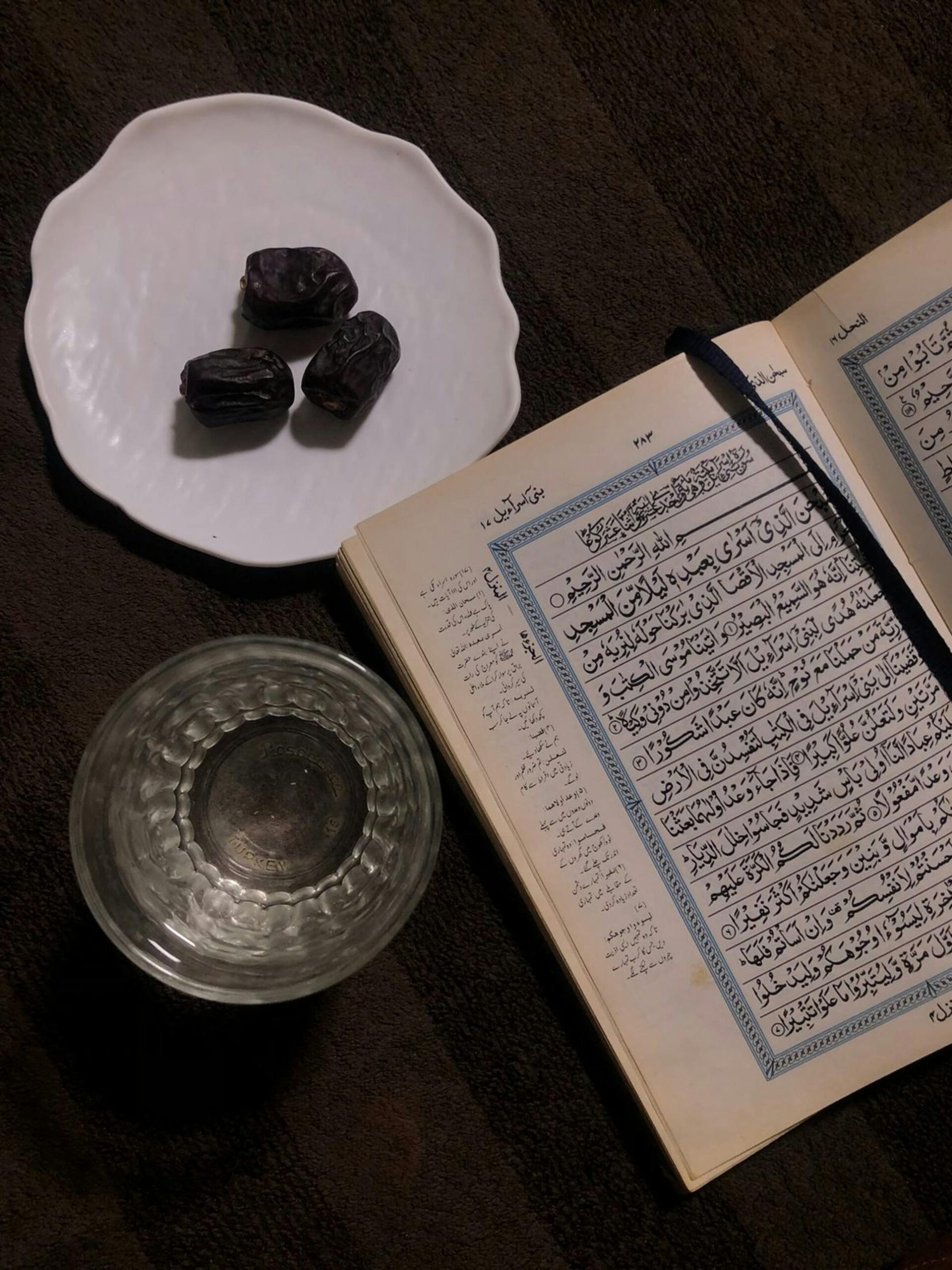
The Quran is the central religious text of Islam and is believed by Muslims to be the literal word of Allah, revealed for the guidance of humanity. It was sent down to Prophet Muhammad (PBUH) over a period of approximately 23 years through the angel Jibreel (Gabriel).
What is the Quran?
The Quran is not just a book to be read; it is a complete guide for life. It provides direction on faith, worship, morality, social justice, and personal conduct. Muslims believe that the Quran is a final and unchanged message from Allah, preserved in its original form since its revelation.
It is written in Arabic and is known for its powerful and unique style of language. Even today, millions of Muslims memorize the Quran by heart, preserving it both in written and oral form.
Structure of the Quran
The Quran is divided into 114 chapters, known as Surahs, and each Surah consists of verses called Ayahs. The Surahs vary in length; some are short, while others are quite long. The Quran is also divided into 30 sections (Juz) to make it easier for recitation, especially during the month of Ramadan.
Some focus on stories of past prophets, while others emphasize laws, guidance, and moral lessons.
Main Themes of the Quran
The Quran covers a wide range of topics that guide human life. Some of the main themes include:
- Belief in one God (Tawheed)
- Prophethood and divine guidance
- The Day of Judgment and accountability
- Moral values such as honesty, patience, and justice
- Laws related to family, society, and business
The Quran also shares stories of earlier prophets like Adam, Ibrahim (Abraham), Musa (Moses), and Isa (Jesus), highlighting lessons from their lives.
Importance of the Quran
The Quran holds the highest importance in a Muslim’s life. It is a source of spiritual guidance and a means of gaining closeness to Allah. Reciting and understanding the Quran is considered an act of worship.
The Quran also serves as a reminder for people to reflect on their actions and live a righteous life. It encourages knowledge, kindness, and responsibility towards others.
Quran in Daily Life
Muslims are encouraged not only to recite the Quran but also to understand and apply its teachings in their daily lives. Whether it is dealing with family, business, or personal struggles, the Quran provides guidance for every situation.
Conclusion
The Quran is more than just a religious book; it is a complete way of life. It offers guidance, wisdom, and comfort to those who seek it sincerely. By reading, understanding, and following the Quran, a person can find peace, purpose, and success in both this life and the hereafter.
Leave A Comment