

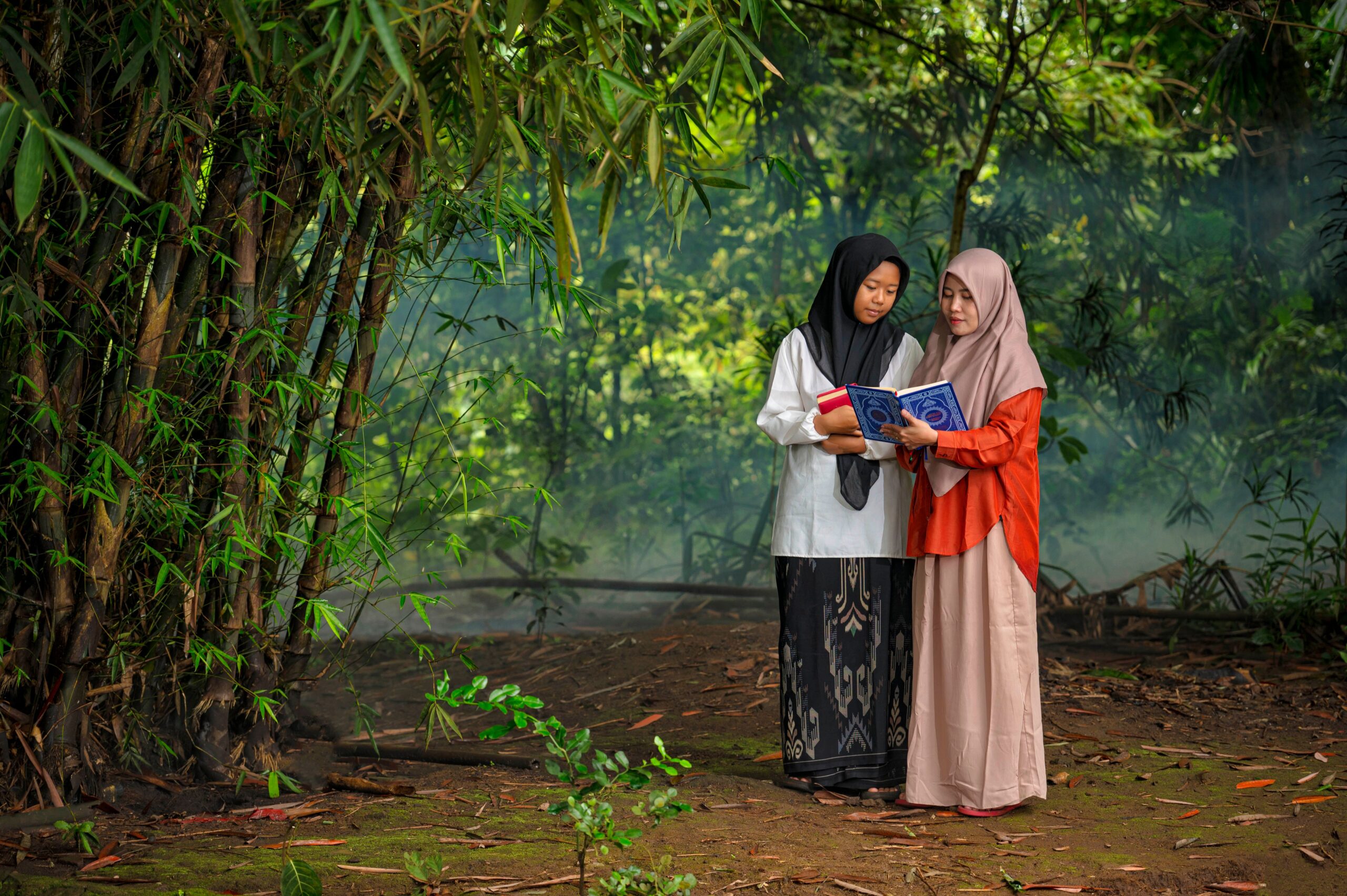
The environment is one of the greatest blessings entrusted to humanity by Allah. Islam teaches that the Earth, its natural resources, animals, plants, and ecosystems are part of Allah’s creation and should be treated with care and respect. Muslims are not owners of the Earth in an absolute sense; rather, they are caretakers and trustees. This Islamic perspective makes environmental protection an important moral and religious responsibility.
The Quran encourages human beings to reflect on the natural world. The changing of day and night, the movement of the sun and moon, rainfall, plants, animals, mountains, and oceans all demonstrate the power and wisdom of Allah. It is also a sign of the Creator’s greatness. Therefore, damaging the environment without necessity can be seen as a failure to respect the trust given to humanity.
A central Islamic principle related to environmental protection is the concept of Khilafah, or stewardship. Human beings have been given responsibility on Earth and are expected to use its resources wisely. This responsibility does not mean unlimited control or exploitation. Instead, it requires balance, moderation, and accountability. Muslims believe that every person will ultimately be accountable for how they used the blessings and resources entrusted to them.
Islam strongly discourages wastefulness. The Quran teaches believers not to be extravagant, even when they have access to abundant resources. This principle is highly relevant in today’s world, where excessive consumption creates pollution, waste, and environmental destruction. Saving water, reducing unnecessary energy use, avoiding excessive consumption, and limiting waste are practical ways Muslims can apply Islamic teachings in everyday life.
Water conservation is especially important in Islam.Islamic teachings encourage Muslims to avoid wasting water, even during purification. This shows that environmental responsibility can be practiced through simple daily habits. Conserving water is particularly important in areas affected by drought, pollution, and shortages.
Climate change is another major challenge facing humanity. Rising temperatures, extreme weather, melting glaciers, rising sea levels, and changing agricultural conditions affect both people and the natural world. From an Islamic perspective, preventing harm is an important ethical principle. Muslims can respond to climate change by reducing waste, using energy responsibly, supporting sustainable practices, and encouraging governments and communities to protect the environment.
Islam also teaches compassion toward animals and the protection of living creatures. Prophet Muhammad (PBUH) encouraged kindness to animals and condemned unnecessary cruelty. Planting trees and protecting nature are also considered valuable actions. A tree can provide shade, food, shelter, and oxygen for many living beings. Caring for forests, wildlife, and natural habitats therefore reflects the Islamic values of mercy and responsibility.
Environmental protection is not only an individual duty but also a community responsibility. Mosques, schools, families, and organizations can promote recycling, tree planting, clean neighborhoods, and responsible waste management. Muslim communities can organize environmental campaigns and educate young people about sustainability. Working together can create a stronger and more lasting impact.
In conclusion, Islam provides a powerful foundation for environmental responsibility. The principles of stewardship, moderation, compassion, and avoidance of waste encourage Muslims to protect the Earth and use its resources responsibly. Climate change and environmental destruction are challenges that require cooperation and practical action. By conserving water, reducing waste, protecting animals, planting trees, and supporting sustainable lifestyles, Muslims can fulfill their responsibility as caretakers of Allah’s creation. Caring for the environment is not merely a modern concern; it is also an important expression of faith, gratitude, and responsibility toward future generations.
Leave A Comment