

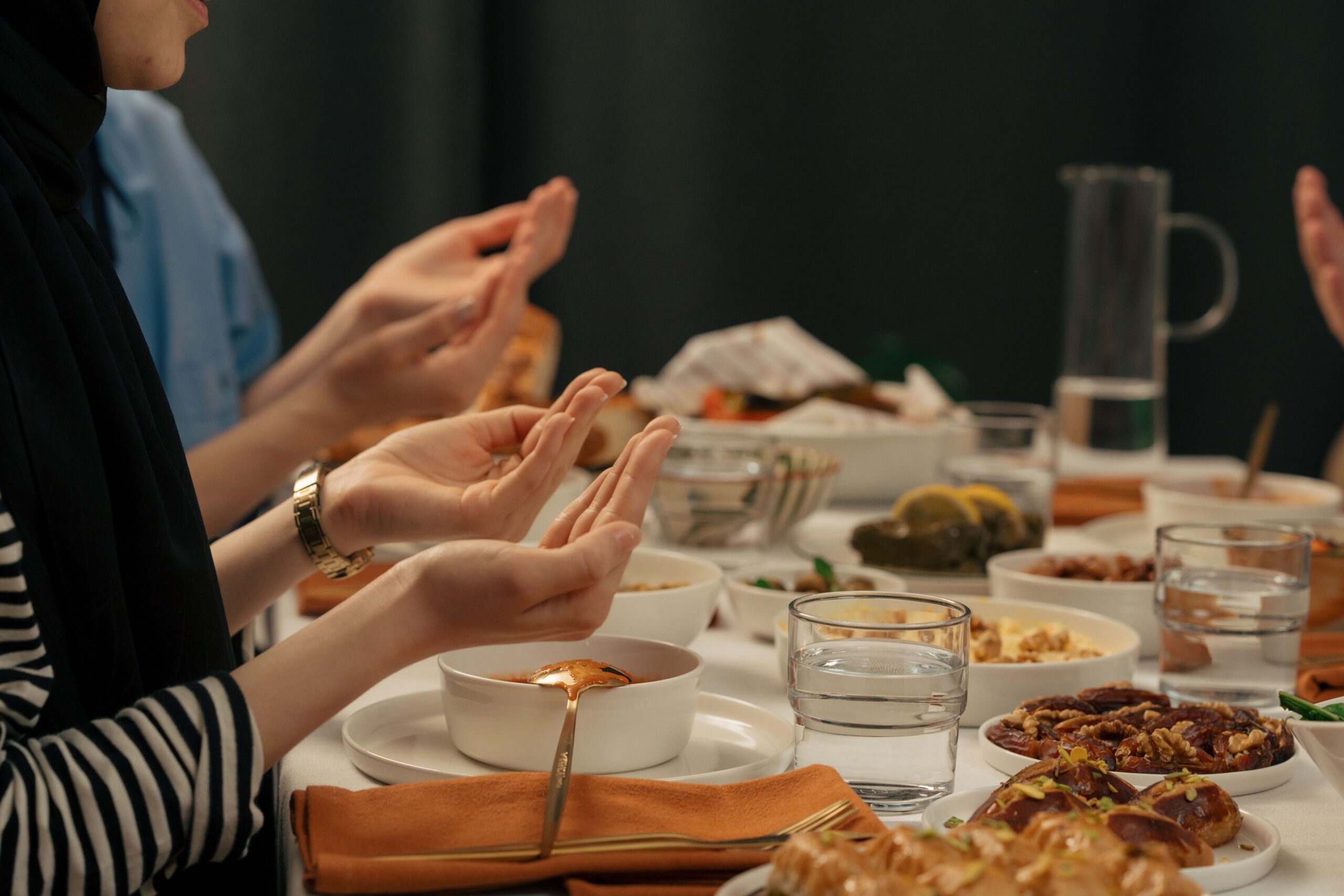
Fasting, known as Roza in Islam, is one of the five pillars of the faith. It is an act of worship that teaches self-discipline, patience, gratitude, and devotion to Allah. During the month of Ramadan, Muslims fast from dawn until sunset by abstaining from food, drink, and other actions that invalidate the fast. Roza is not only a physical act but also a spiritual journey that strengthens faith and improves character.
One of the basic rules of fasting is that every adult Muslim who is physically and mentally capable must observe the fast during Ramadan. The fast begins before dawn with a meal called Suhoor and ends at sunset with Iftar. Throughout the day, a fasting person must avoid eating, drinking, and intentionally engaging in actions that break the fast. In addition, Muslims are encouraged to stay away from lying, gossiping, arguing, and other sinful behavior, as fasting is meant to purify both the body and the soul.
Islam also provides ease for those who face genuine difficulties. People who are seriously ill, traveling, elderly, or unable to fast due to valid reasons are given concessions according to Islamic teachings. Those who miss fasts for temporary reasons are expected to make them up later, while those who are permanently unable to fast may fulfill their responsibility in other prescribed ways according to Islamic law.
The virtues of fasting are numerous and extend beyond physical abstinence. Roza strengthens a believer’s relationship with Allah by encouraging sincerity and obedience. Since fasting is performed for the sake of Allah alone, it develops a sense of humility and devotion. It reminds Muslims that true success lies in pleasing their Creator rather than following worldly desires.
Fasting also teaches patience and self-control. By resisting hunger and thirst, a person learns to control emotions and desires. This discipline can influence everyday behavior, helping individuals become more thoughtful, calm, and responsible. The lessons learned during Ramadan often inspire lasting positive changes in one’s lifestyle.
Another great virtue of fasting is that it creates compassion for those who are less fortunate. Experiencing hunger and thirst helps people understand the struggles faced by the poor and needy. As a result, Muslims are encouraged to increase acts of charity, share food, and support those in need. This spirit of generosity strengthens social bonds and promotes unity within the community.
Roza also provides an opportunity for spiritual growth through increased worship. During Ramadan, Muslims devote more time to reciting the Quran, offering voluntary prayers, and making supplications. These acts bring peace to the heart and encourage believers to seek forgiveness and improve their relationship with Allah.
In addition to its spiritual rewards, fasting can encourage healthy habits when practiced correctly. Eating balanced meals at Suhoor and Iftar and avoiding excess help promote moderation and gratitude for Allah’s blessings. Ramadan teaches that self-restraint and balance are important principles in every aspect of life.
In conclusion, fasting is a beautiful act of worship that combines faith, discipline, and compassion. Its rules guide Muslims in observing this obligation correctly, while its virtues help shape individuals into better human beings. By observing Roza with sincerity, patience, and good character, Muslims gain spiritual strength and develop qualities that benefit both themselves and society. The lessons of fasting continue to inspire believers long after the month of Ramadan has ended.
Leave A Comment