
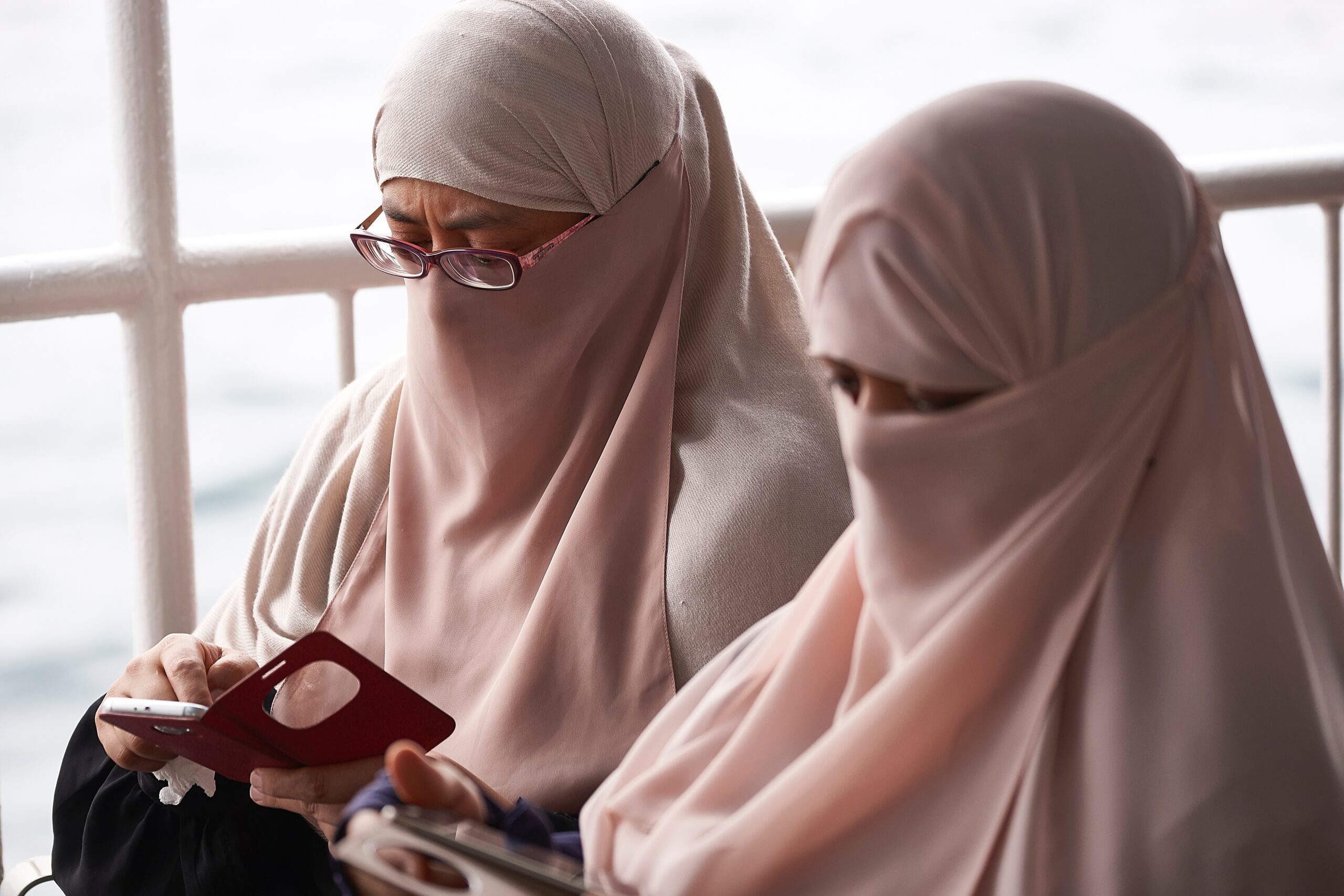
Hijab is an important concept in Islam that represents modesty, dignity, and obedience to Allah. Although the word “Hijab” is commonly used to describe the head covering worn by many Muslim women, its meaning is much broader. In Islam, Hijab includes modest behavior, respectful speech, and proper conduct for both men and women. It is a way of living that reflects faith, self-respect, and moral responsibility.
One of the main purposes of Hijab is to encourage modesty. Islam teaches that people should be valued for their character, knowledge, and good deeds rather than their physical appearance. By observing Hijab, Muslims demonstrate humility and avoid attracting unnecessary attention. Modesty helps create a society based on mutual respect, where individuals are appreciated for their inner qualities instead of external beauty.
Hijab is also an act of worship and obedience to Allah. Muslims believe that following Allah’s guidance brings spiritual peace and blessings. For women who choose to wear the Hijab as part of their religious practice, it is a personal expression of faith and commitment to Islamic teachings. Similarly, men are also instructed in Islam to observe modesty by lowering their gaze, dressing appropriately, and maintaining respectful behavior. This shows that modesty is a responsibility shared by both genders.
Another important aspect of Hijab is the protection of dignity and self-respect. It encourages individuals to present themselves with honor and confidence. Hijab reminds Muslims that true worth lies in honesty, kindness, faith, and good character. It helps people focus on developing their inner qualities rather than seeking approval based on outward appearance.
Hijab also contributes to building a respectful society. When people interact with one another based on dignity and good manners, relationships become healthier and more meaningful. Islam encourages respectful communication, mutual understanding, and the protection of personal boundaries. The concept of Hijab supports these values by promoting modest behavior in all aspects of life.
It is important to understand that Hijab should be practiced with sincerity and free will. True faith comes from the heart, and acts of worship have greater value when they are performed willingly. Families and communities should encourage Islamic teachings through wisdom, kindness, and education rather than force or harshness. Respect for personal dignity and compassionate guidance are essential principles in Islam.
In today’s world, Muslim women who wear the Hijab often contribute successfully to society as students, teachers, doctors, scientists, business professionals, and community leaders. Their achievements show that observing Hijab does not prevent a person from pursuing education, career goals, or public service. Instead, many women view Hijab as a source of confidence and identity that allows them to participate actively in society while remaining true to their beliefs.
The concept of Hijab also reminds Muslims to guard their speech and actions. A person may wear modest clothing, but true Hijab also includes honesty, humility, patience, and respect for others. These qualities strengthen families, improve communities, and reflect the beautiful moral teachings of Islam. Therefore, Hijab is not limited to clothing but represents a complete lifestyle based on faith and good character.
In conclusion, Hijab is a meaningful concept in Islam that promotes modesty, dignity, and obedience to Allah. It encourages both men and women to live with respect, self-control, and moral responsibility. By practicing the principles of Hijab with sincerity and understanding, Muslims can strengthen their faith, protect their dignity, and contribute positively to society. The true essence of Hijab lies not only in appearance but also in developing a noble character that reflects the values of Islam.
Leave A Comment