

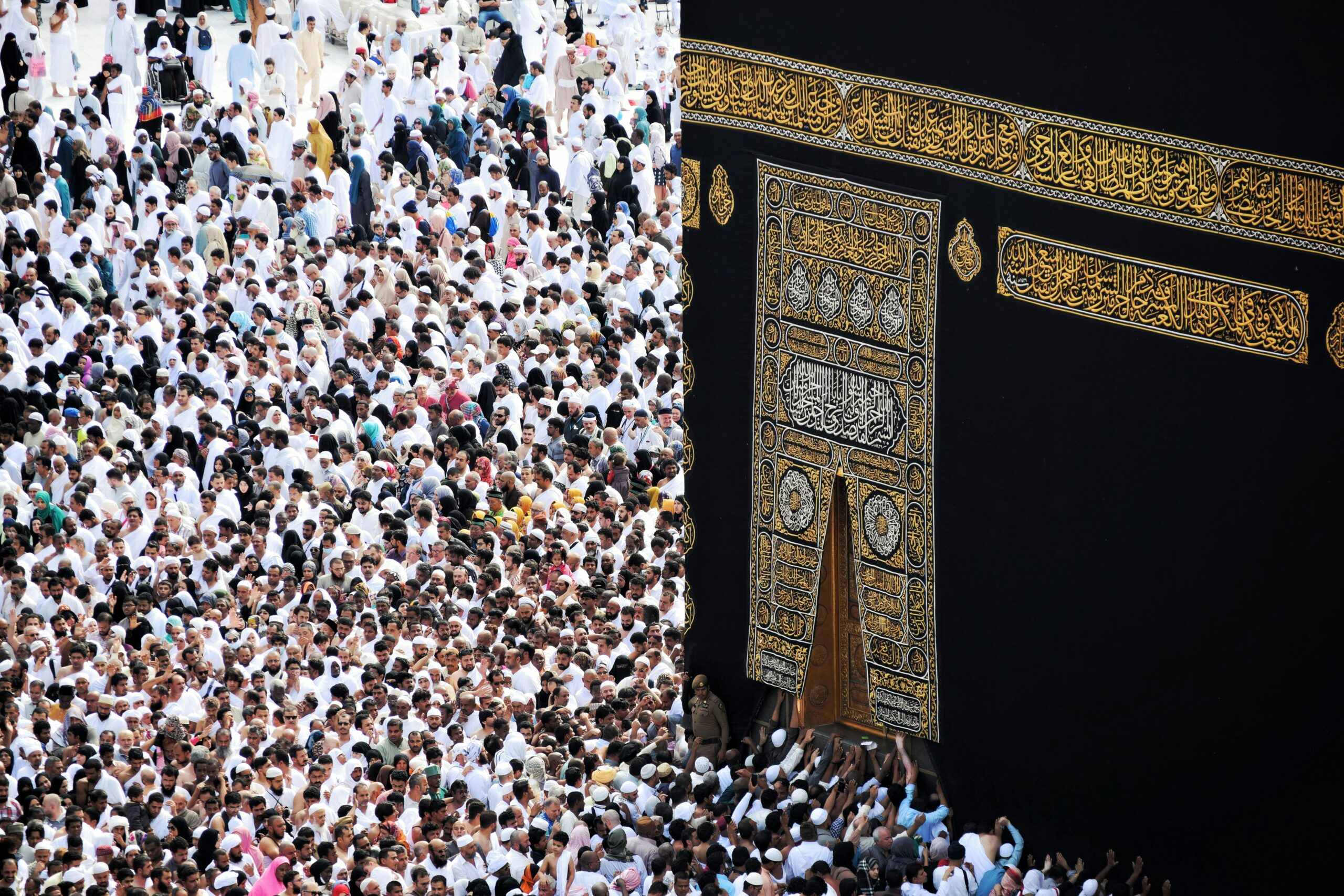
Unity in Diversity: Lessons from Islamic History
One of the most remarkable features of Islamic history is the way diverse peoples, cultures, and languages came together under shared values. From the earliest days of Islam, unity was never meant to erase differences. Instead, it offered a framework in which diversity could flourish while still maintaining a sense of collective identity. This balance between unity and diversity is what allowed Islamic civilization to grow into one of the most vibrant and influential societies in world history. Today, as communities face tensions fueled by cultural, ethnic, and religious differences, the lessons from Islamic history remain more relevant than ever.
The foundation for unity in Islam begins with the Qur’an’s recognition of human diversity as a divine design. People were created into “nations and tribes” not to despise one another, but to learn from each other. This perspective shifts diversity from being a source of conflict to a source of mutual enrichment. The early Muslim community in Madinah reflected this principle. When the Prophet Muhammad (peace be upon him) migrated to the city, he encountered a population that included Muslims, Jews, and various tribes with long histories of rivalry. Instead of forcing sameness, he established the Constitution of Madinah, a document that respected differences while outlining shared responsibilities. Each group maintained its identity but was united by a common commitment to justice and cooperation.
Throughout Islamic history, this approach continued to shape society. During the Umayyad and Abbasid periods, cities such as Damascus, Baghdad, and Cordoba became cultural crossroads. Scholars from different backgrounds—Arab, Persian, Berber, African, Turkish, and others—worked together in science, medicine, philosophy, literature, and art. Their collaborations produced discoveries and innovations that influenced the entire world. This blending of ideas did not diminish anyone’s heritage; rather, it created a shared intellectual tradition that valued contributions from all.
In places like Al-Andalus (Muslim Spain), unity in diversity reached extraordinary heights. Muslims, Christians, and Jews lived side by side and contributed to fields such as mathematics, astronomy, architecture, and poetry. The result was a society that valued knowledge and creativity over narrow identity boundaries. This spirit of coexistence attracted scholars from across Europe and the Middle East, proving that diversity, when managed with respect and fairness, strengthens communities instead of weakening them.
One of the key factors behind this historical success was the emphasis on justice. Islamic governance, at its best moments, treated all subjects—Muslim or not—with fairness. People of different faiths were given autonomy to practice their religion, manage their internal affairs, and contribute to society. Because justice was viewed as a universal right rather than a privilege reserved for certain groups, diverse communities felt secure and respected. This atmosphere of fairness allowed them to participate freely in social and cultural life.
Another important lesson is the emphasis on shared values. Islamic unity was rooted not in ethnicity or language, but in principles such as compassion, honesty, and accountability. These values created a common moral foundation that people from various cultures could embrace. When unity is based on values rather than uniformity, it becomes flexible enough to include different ways of life without losing its essence.
However, Islamic history also shows that unity requires continuous effort. Whenever justice weakened, or political leaders favored one group over another, divisions grew. These moments provide reminders that unity is not automatic; it must be nurtured through fairness, dialogue, and mutual respect.
Today’s world is marked by diversity on an even larger scale. Migration, technology, and global communication have brought people of different backgrounds closer than ever. The lessons from Islamic history encourage modern societies to value diversity as a strength rather than a threat. When guided by justice, respect, and shared values, diverse communities can achieve far more together than they ever could alone.
Leave A Comment